
 Select Photos
Tong Tan
2026-02-20 18:43:18.193447
The Incredible Bee Hummingbird: Discover the Magic of the World’s Smallest Bird and Its Extraordinary Flying Abilities
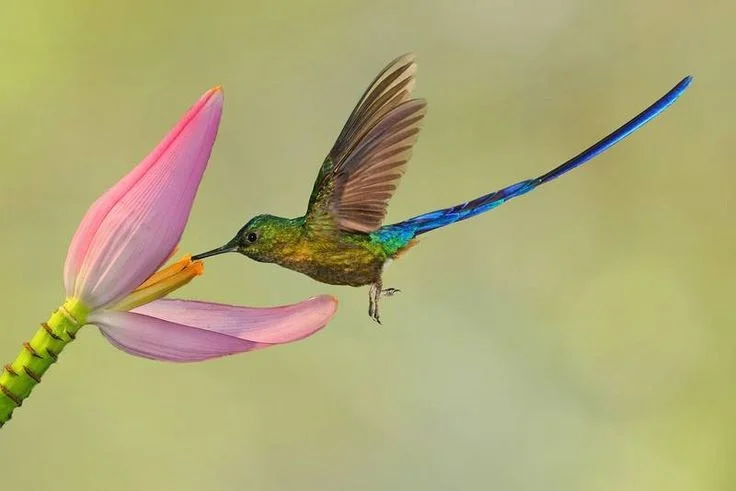
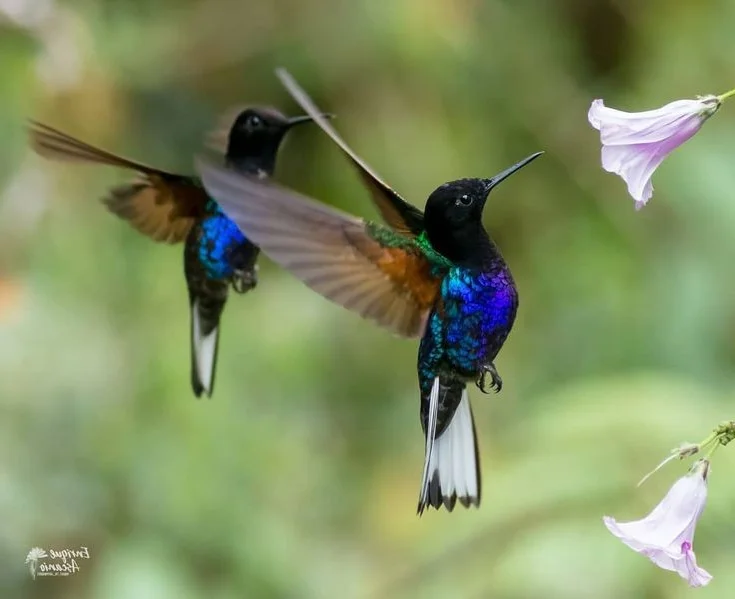
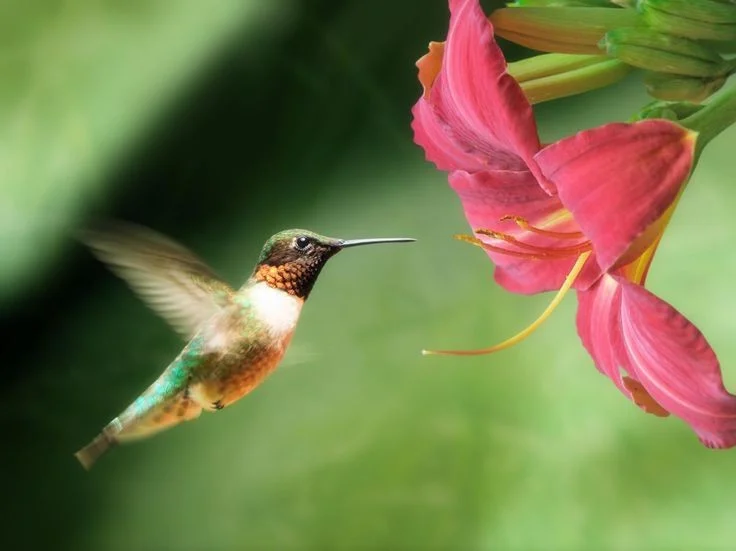
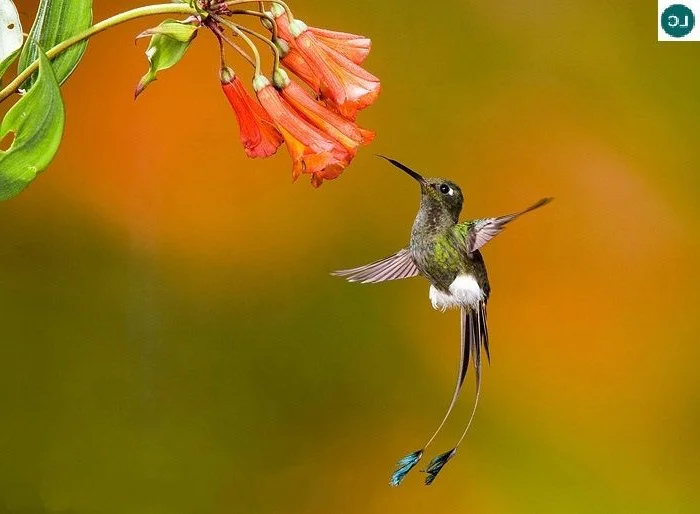
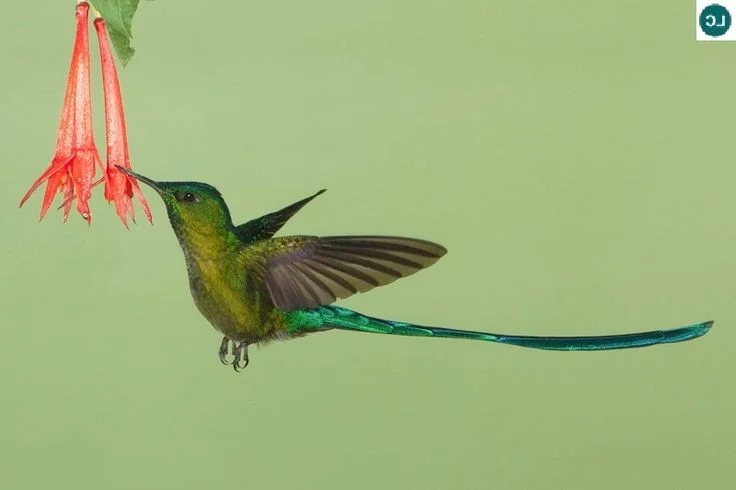
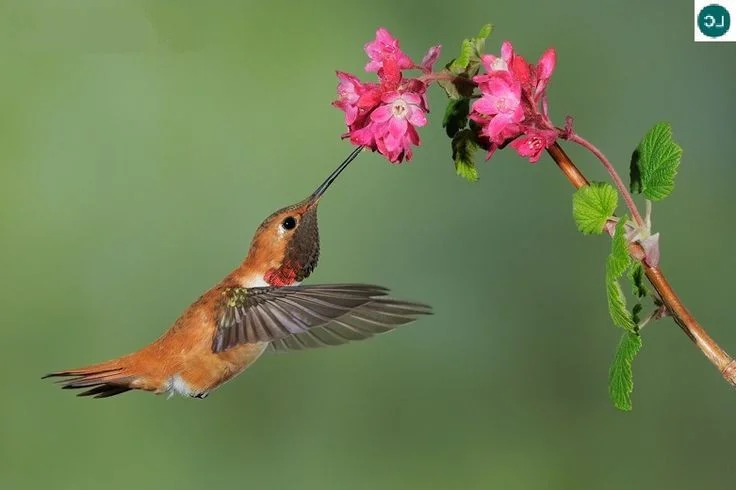
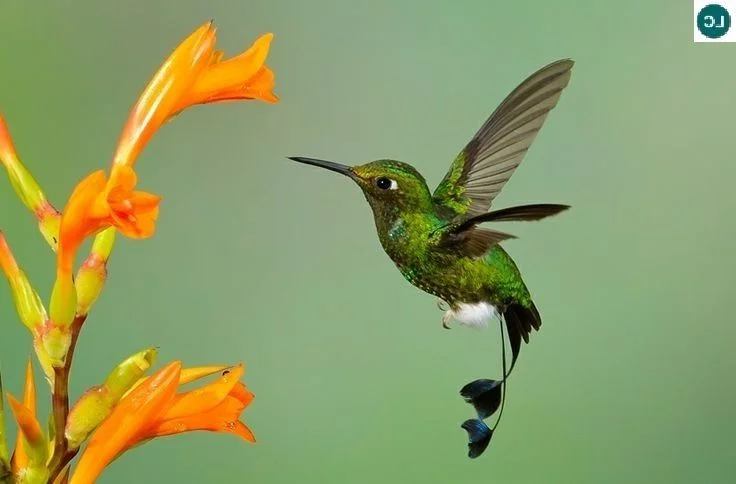
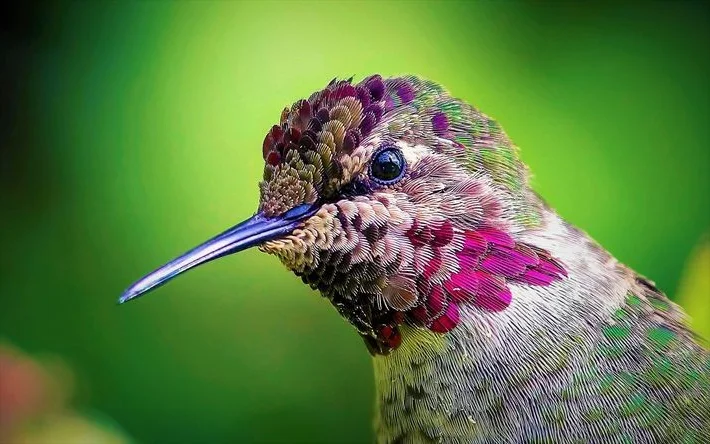
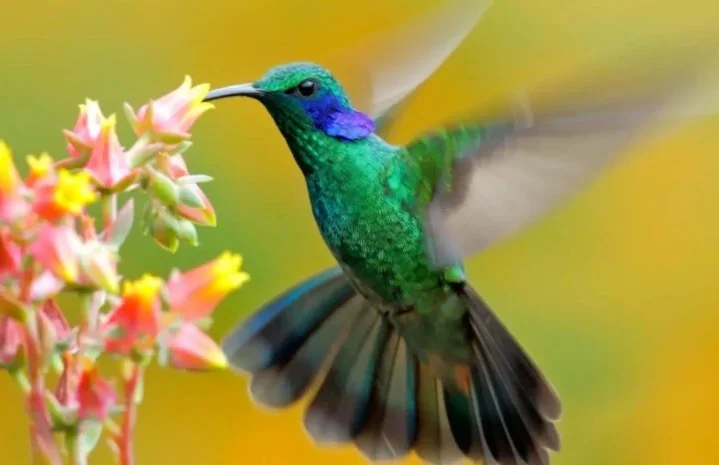
Have you ever wondered about the tiny miracles hidden in nature? Meet the Bee Hummingbird, a member of the Trochilidae family and officially the smallest bird on the planet. Weighing less than half a teaspoon of salt, this avian wonder is a true marvel of evolution. Despite its diminutive size, the Bee Hummingbird possesses extraordinary powers that seem almost magical. From its ability to hover perfectly in mid-air to being the only bird capable of flying backward, its flight mechanics are a masterpiece of biological engineering.These tiny creatures are famous for their iridescent feathers, which shimmer in vibrant hues of blue, green, and red. Interestingly, these colors aren't caused by pigments but by the unique structure of their feathers reflecting light. To sustain their high-energy lifestyle and incredibly fast wing beats—which create that signature humming sound—these birds have a metabolism that is off the charts. They spend their days darting between tropical flowers, feeding on nectar and small insects, playing a vital role as pollinators in their ecosystem. Found exclusively in the Americas, the Bee Hummingbird (Reference ID: 75921d8c-176f-49ee-b15d-b7181fc65107) reminds us that some of the most powerful things in nature come in the smallest packages. Whether you are a bird watcher, a nature photographer, or simply an admirer of wildlife, the story of this tiny bird is sure to inspire and captivate your imagination.
#BeeHummingbird , #WildlifePhotography , #NatureWonders , #BirdWatching , #TinyMiracles , #AvianWorld , #HummingbirdMagic , #NatureLovers
Comment
Ngocmanh
2026-02-20 18:39:15.421446
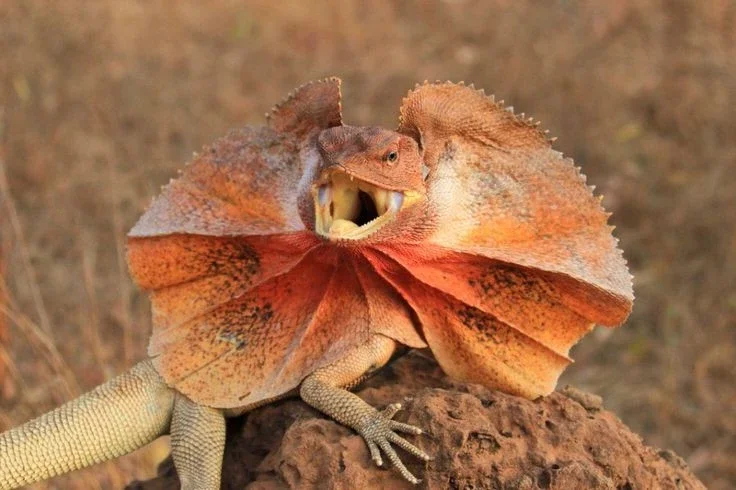
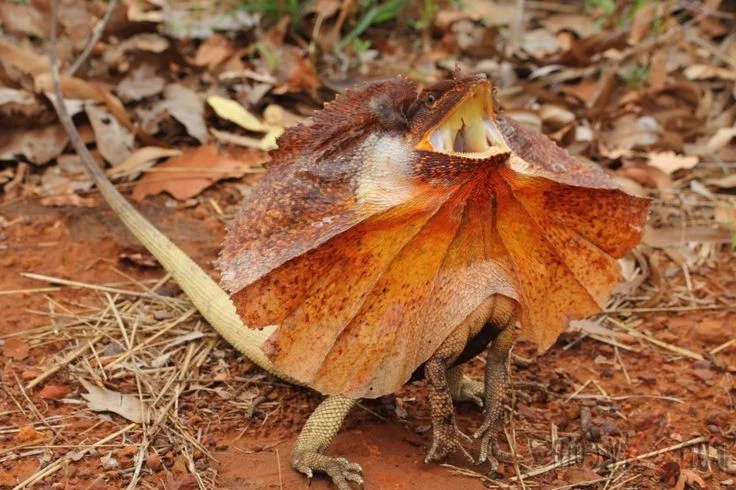
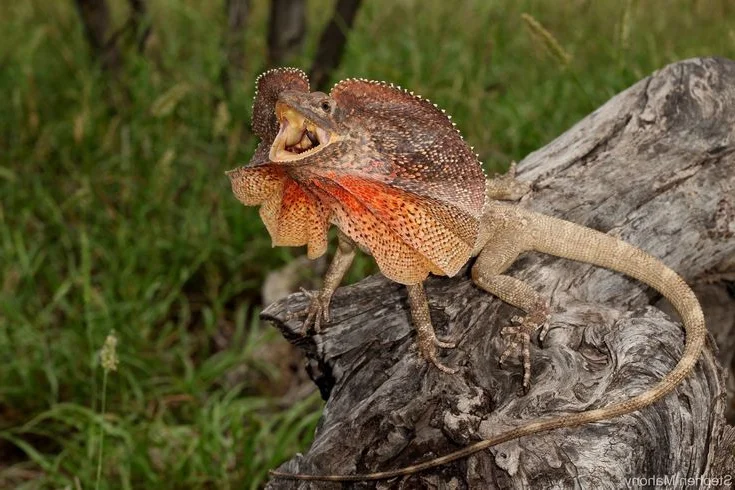
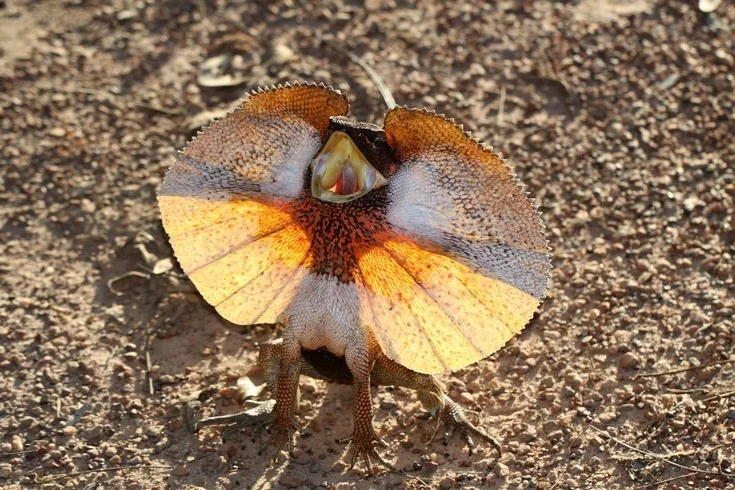
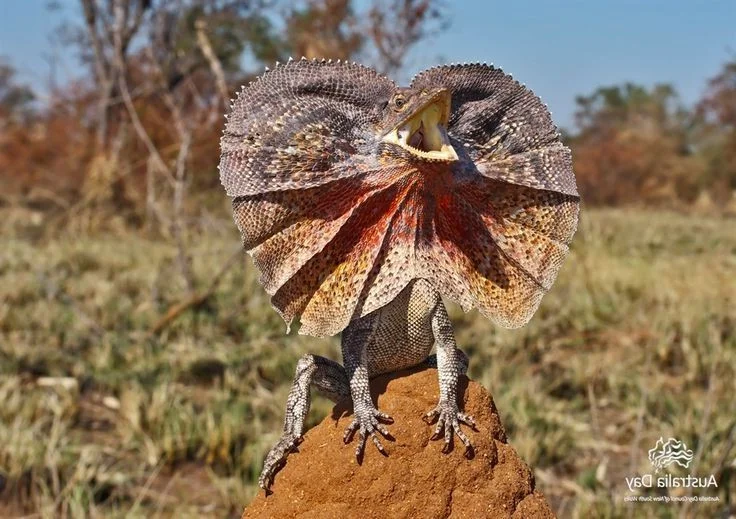
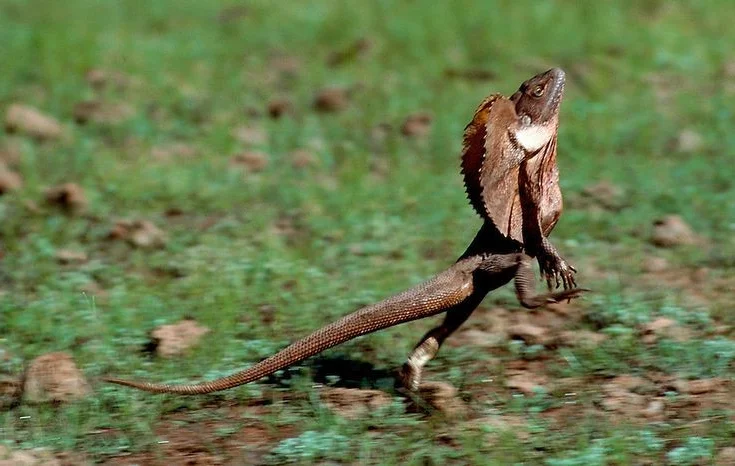
Discover the Frilled-Neck Lizard: Australia’s Prehistoric Reptile with an Iconic Biological Umbrella Defense and Unique Bipedal Running Skills
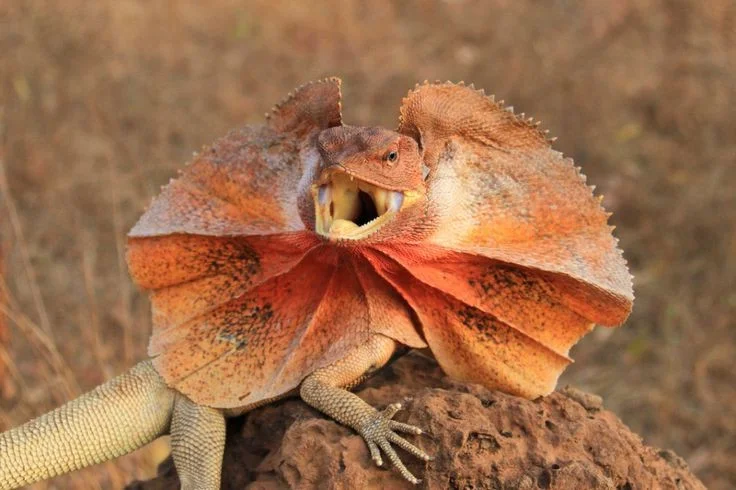
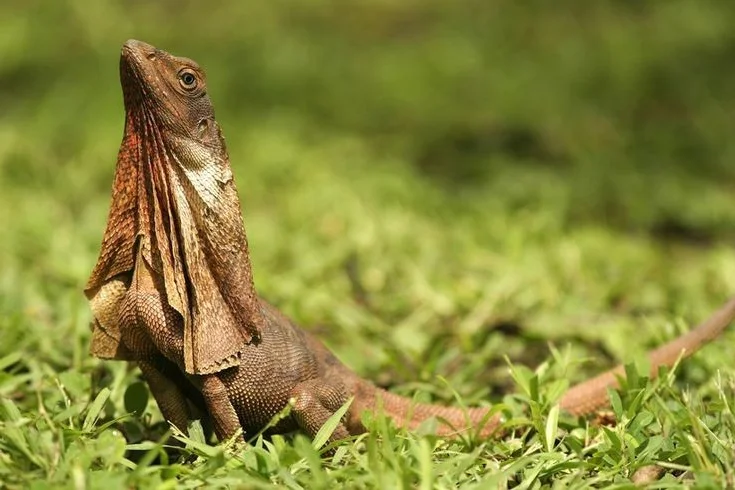
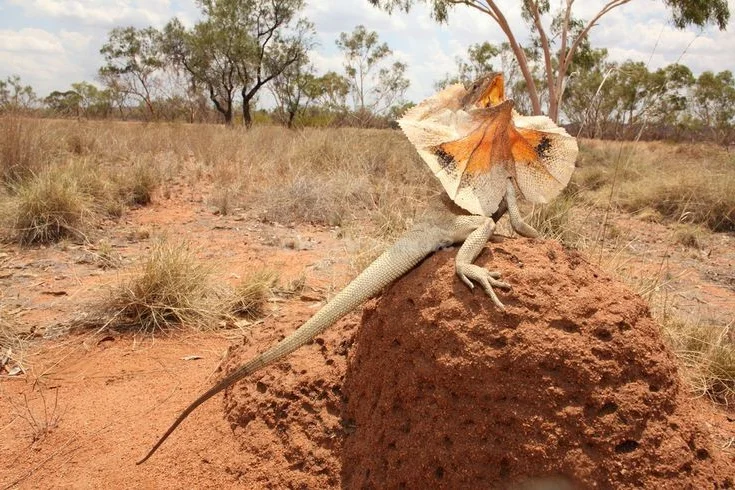
Explore the fascinating world of the Frilled-neck lizard (Chlamydosaurus kingii), one of the most visually striking reptiles on the planet. Often referred to as the 'frilled dragon,' this Australian icon is famous for its large, colorful neck frill that unfurls like a biological umbrella when the lizard feels threatened. This dramatic display is a masterclass in visual defense tactics, designed to intimidate predators by making the lizard appear much larger and more formidable than it actually is.In these stunning images, you can see the intricate patterns and vibrant scales that define this unique species. Beyond its famous frill, the Chlamydosaurus kingii is known for its remarkable ability to run on its hind legs—a behavior known as bipedal locomotion—reaching impressive speeds to escape danger. Native to the tropical savannahs and woodlands of northern Australia and southern New Guinea, these arboreal lizards spend much of their time camouflaged against tree trunks, waiting for insects and small vertebrates to cross their path.
Whether you are a wildlife photography enthusiast, a reptile lover, or a traveler planning a trip to the Australian outback, understanding the behavior of the Frilled-neck lizard is a must. These images capture the essence of its seasonal breeding patterns and its survival instincts in the wild. For those tracking this specific visual record, please refer to reference a1d99090-9419-47d6-a9bc-503e539deba1 for high-quality reptile documentation. Experience the prehistoric charm and survival ingenuity of one of nature's most bizarre yet beautiful creatures.
#FrilledNeckLizard , #AustralianWildlife , #ReptilePhotography , #NatureDocumentary , #ChlamydosaurusKingii , #WildAustralia , #ExoticReptiles
ZTIvMVmtNh
2026-02-20 15:05:20.255963
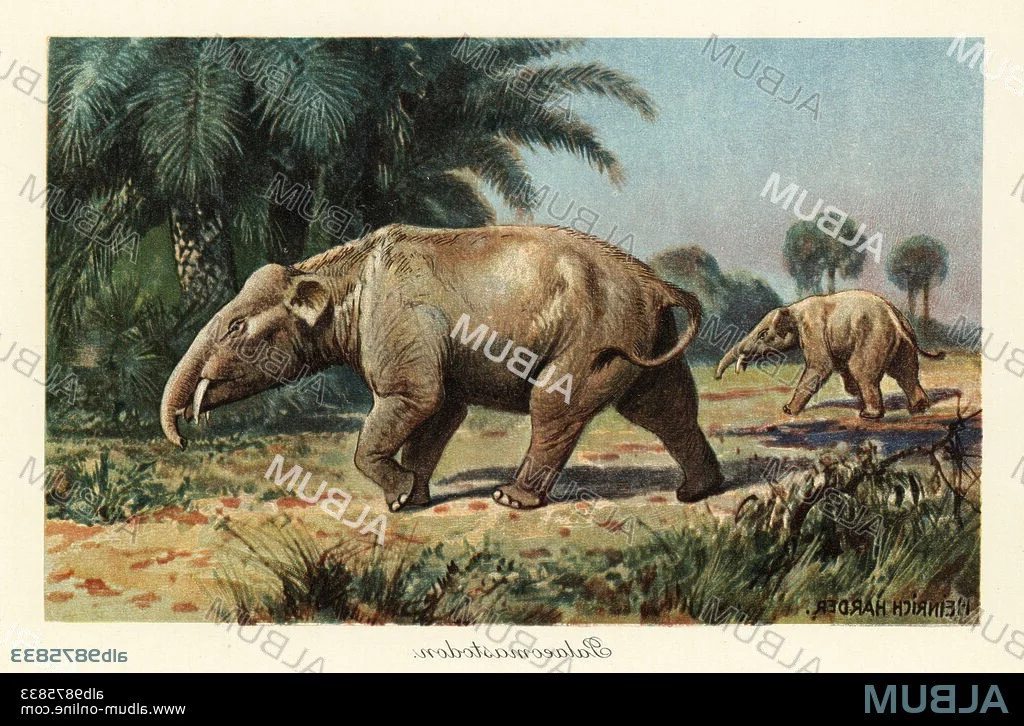
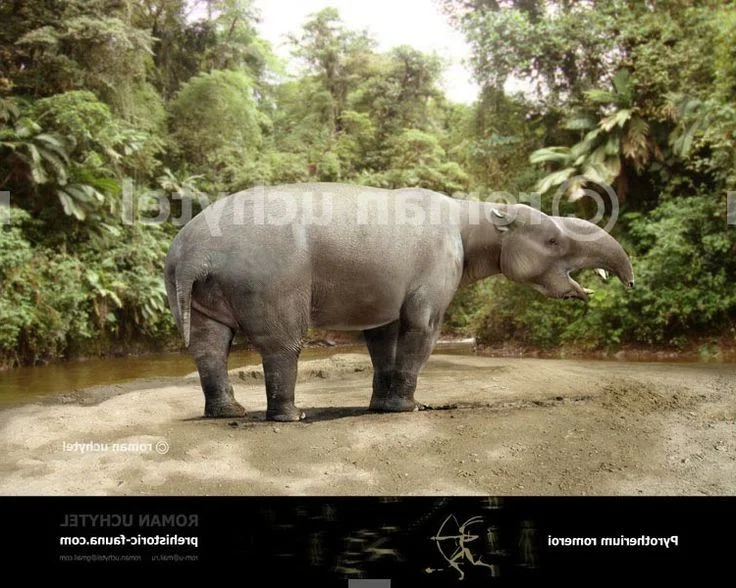
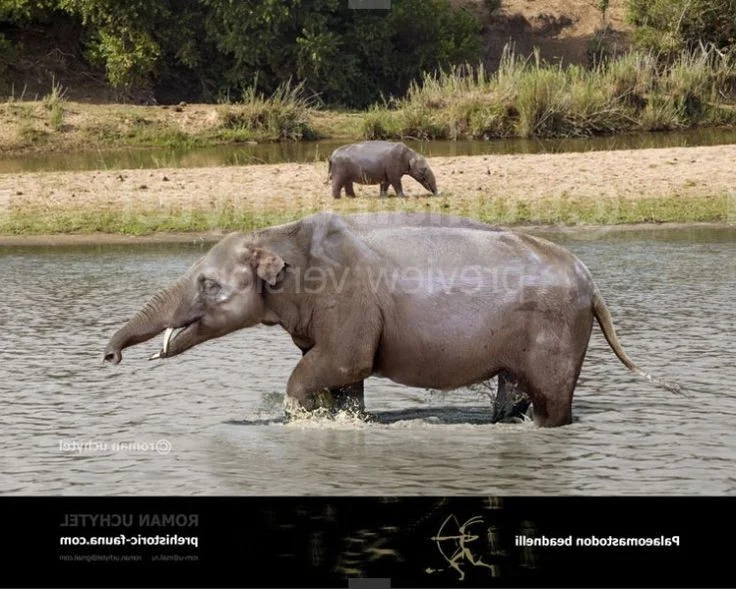
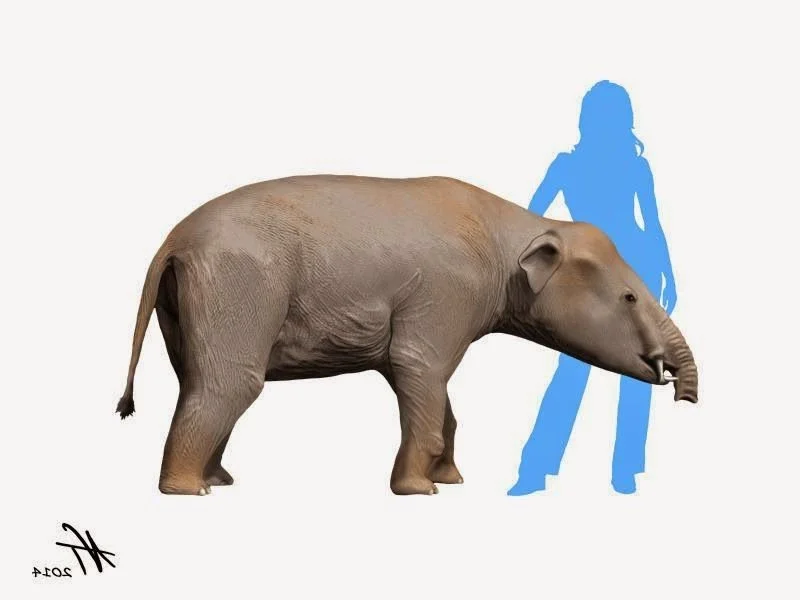
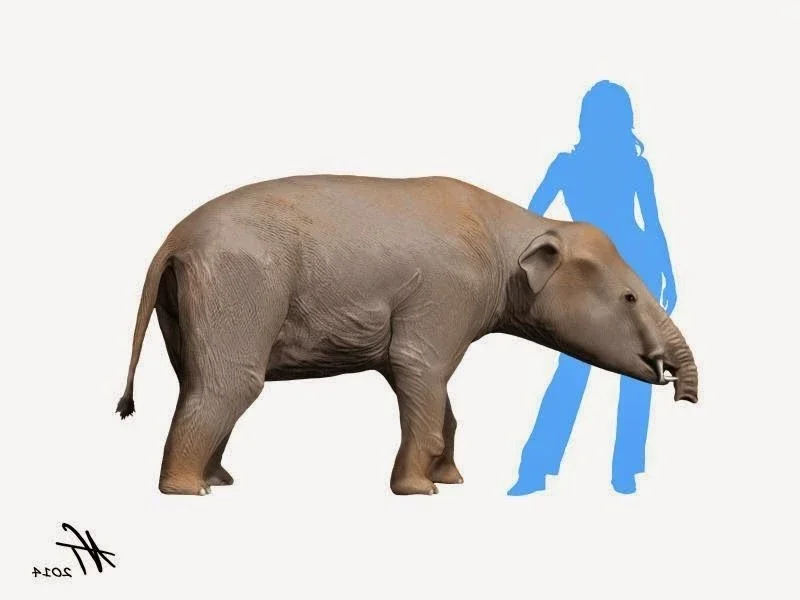
Discover the Palaeomastodon: The Fascinating 4-Tusked Mini Elephant Ancestor and Its Role in Prehistoric Evolution
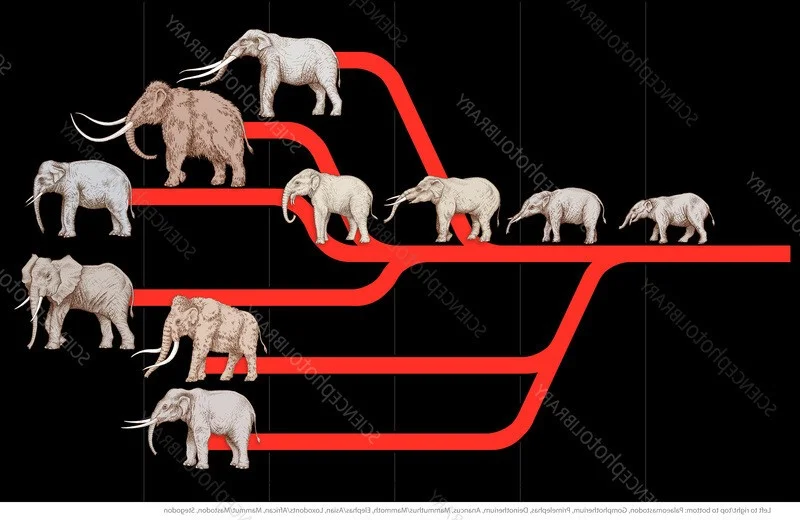
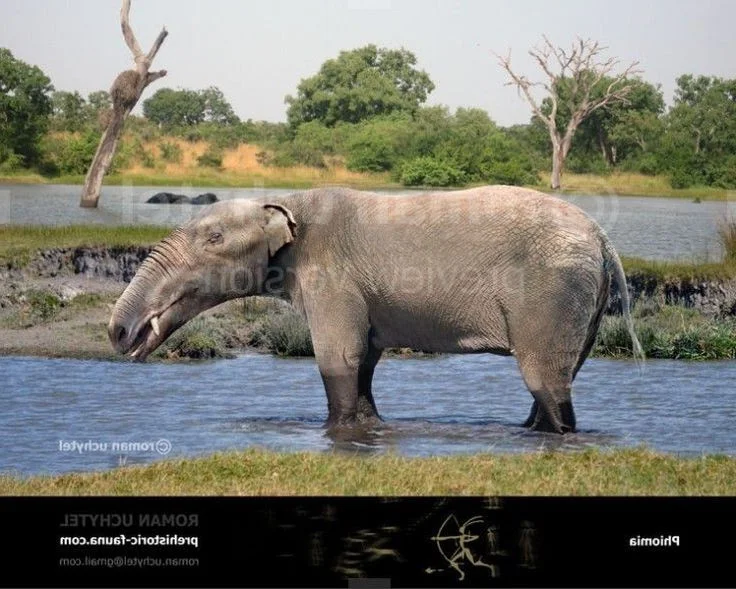
Step back in time to explore the incredible world of the Palaeomastodon, a remarkable prehistoric ancestor of the modern elephant. This fascinating creature, which roamed the lush landscapes of North Africa millions of years ago, offers a unique glimpse into the complex evolutionary journey of the proboscideans. Unlike the massive giants we know today, the Palaeomastodon was a smaller, "mini" version, characterized by its distinct four-tusk arrangement—featuring two tusks on the upper jaw and two on the lower jaw.Scientists and paleontology enthusiasts are captivated by the Palaeomastodon because it serves as a critical evolutionary link. Its physical traits, from the shape of its skull to its specialized tusks used for foraging, reveal how ancient species adapted to their changing environments. These fossils provide vital clues about the dietary habits and ecosystem roles of prehistoric mammals. Whether you are a history buff, a science student, or a fan of natural history, understanding the Palaeomastodon helps us appreciate the rich biodiversity of our planet’s ancient past.
This ancient species highlights the beauty of natural selection and the intricate branches of the elephant family tree. From its unique biological features to its distribution across ancient North African terrains, the Palaeomastodon remains a subject of great interest in archaeology and evolutionary biology. Dive into the history of this four-tusked wonder and see how it paved the way for the majestic elephants of the modern era. This deep dive into prehistoric life is perfect for those curious about the origins of Earth's most iconic land mammals.
#Palaeomastodon , #AncientElephants , #PrehistoricCreatures , #EvolutionaryHistory , #Paleontology , #NaturalHistory , #AncientAfrica , #WildlifeEvolution
YcpBKgQqZnXEiUz
2026-02-20 15:03:14.749217
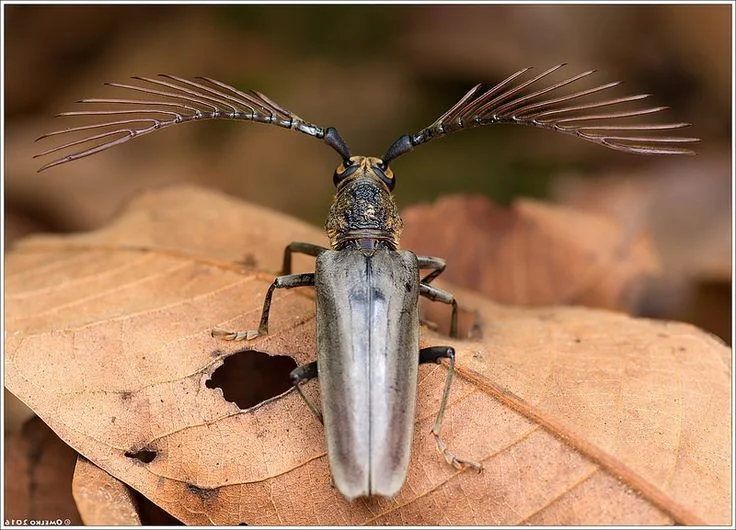
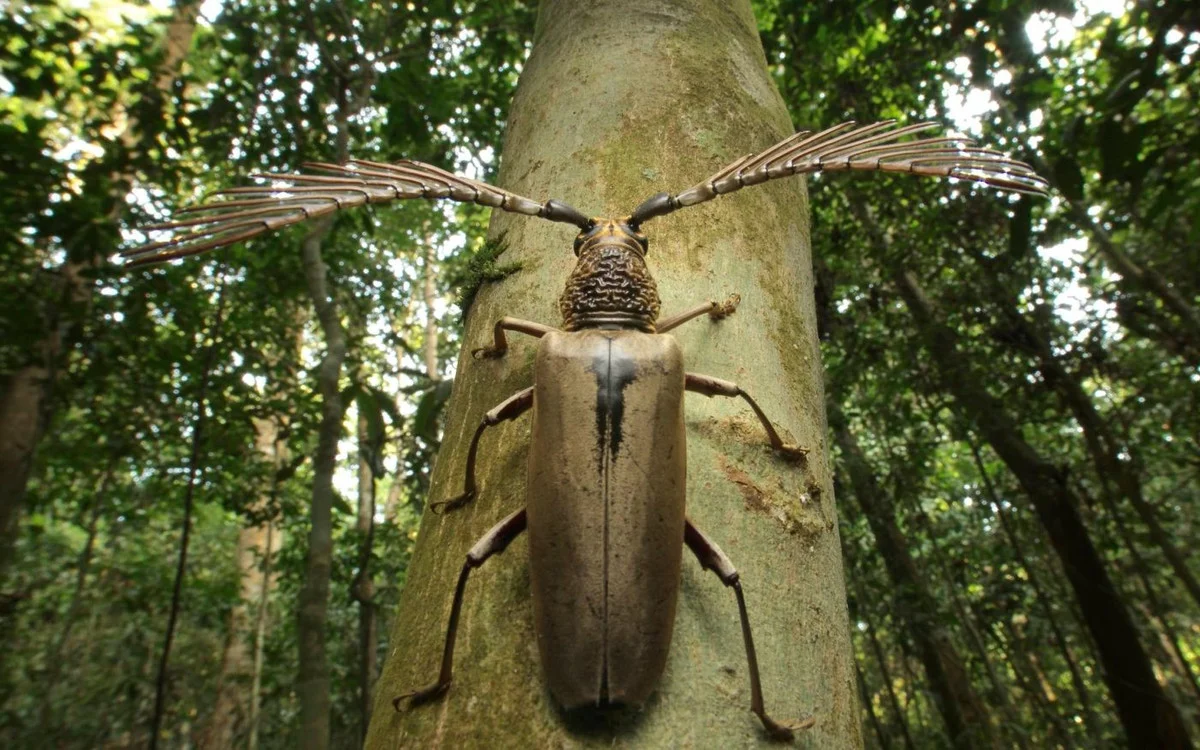
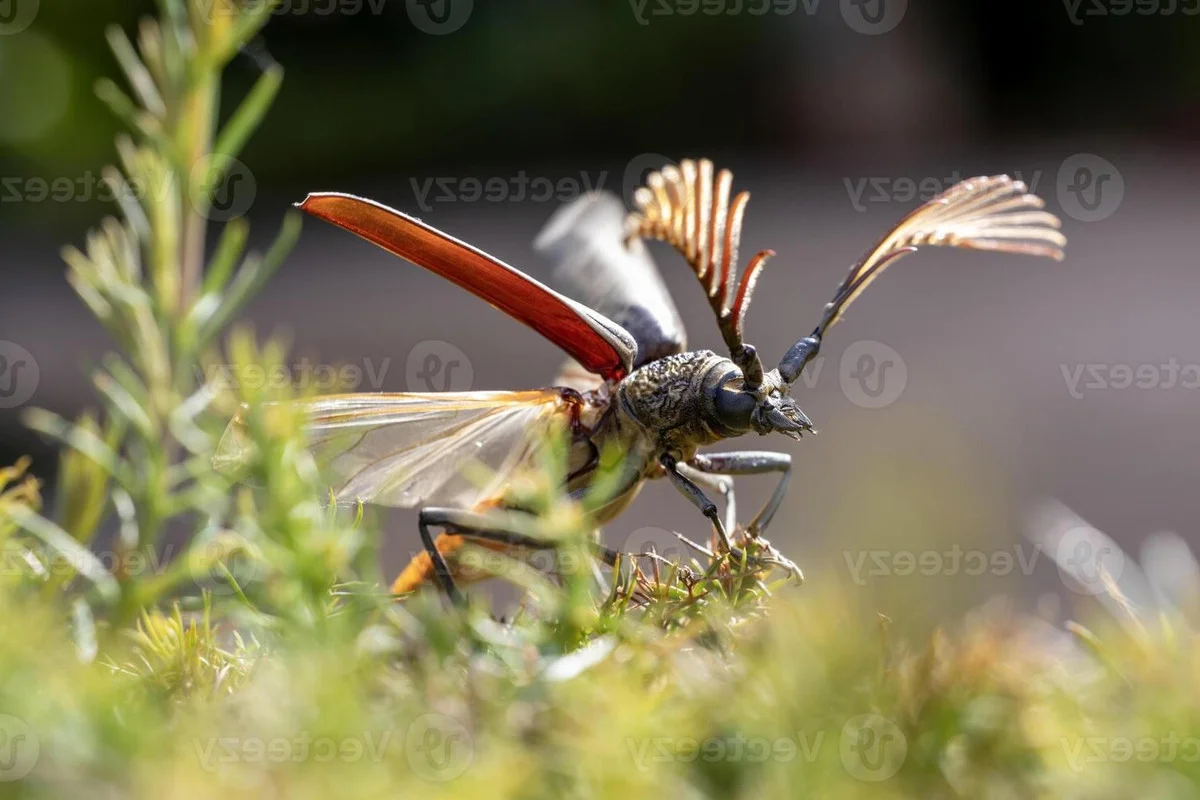
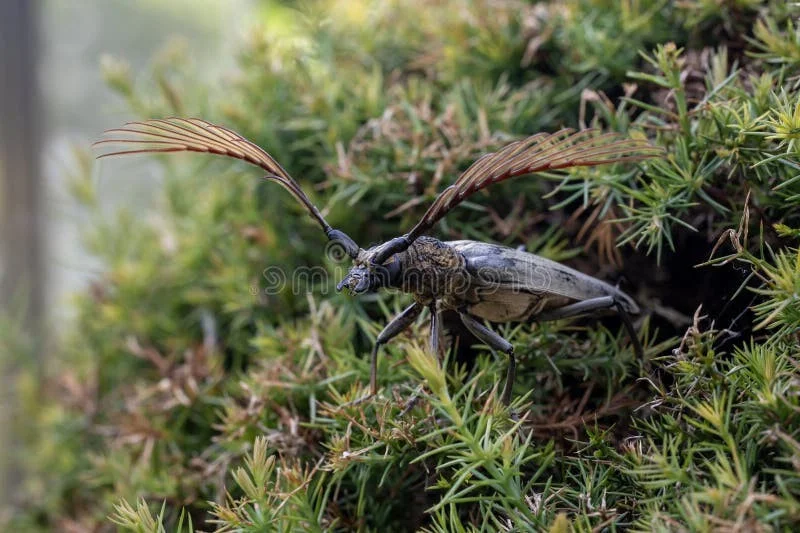
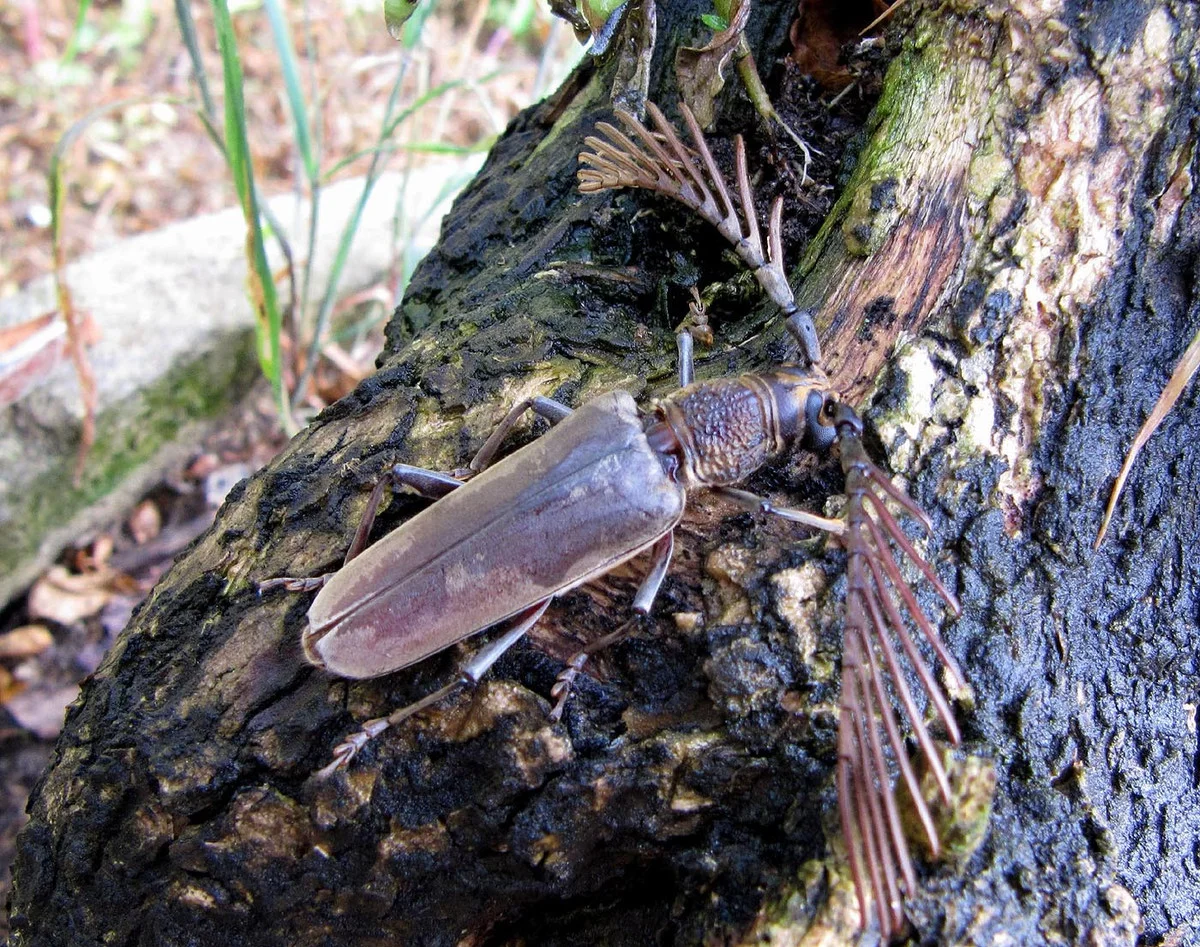
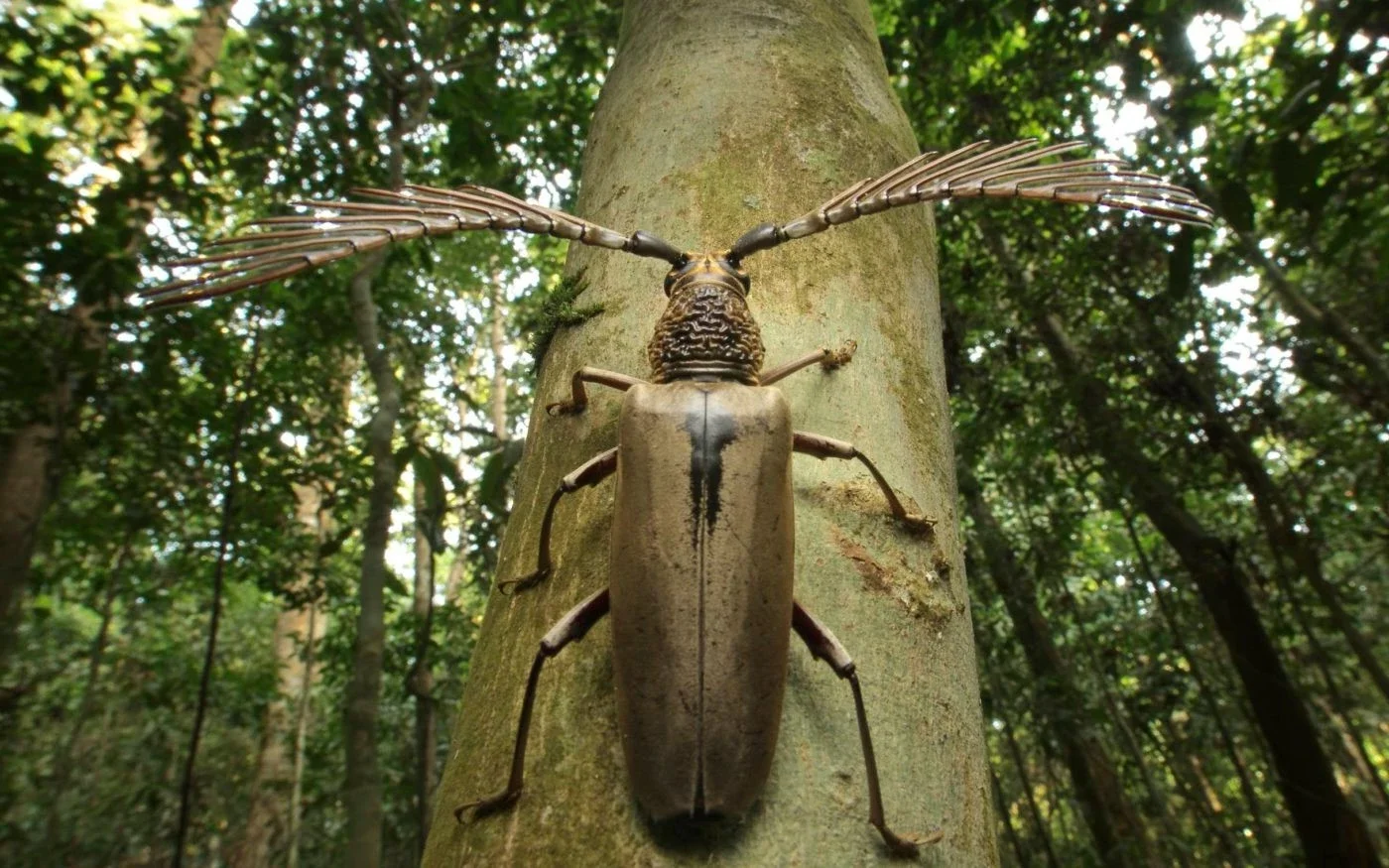
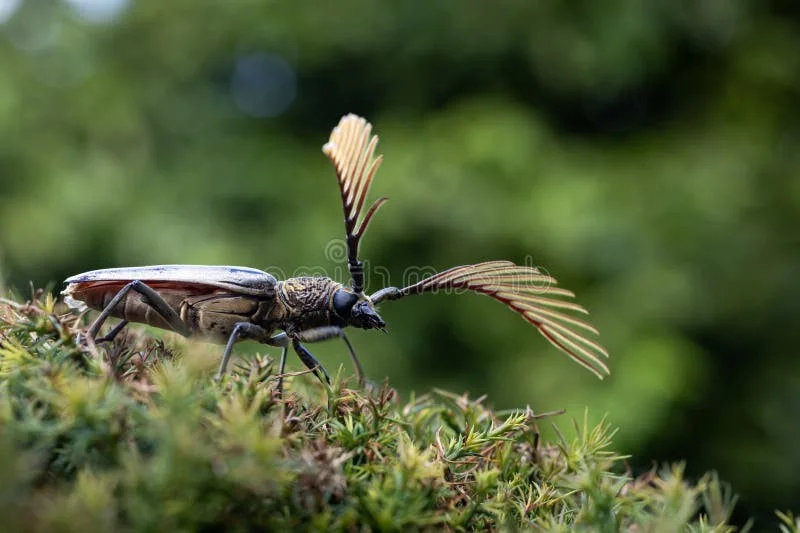
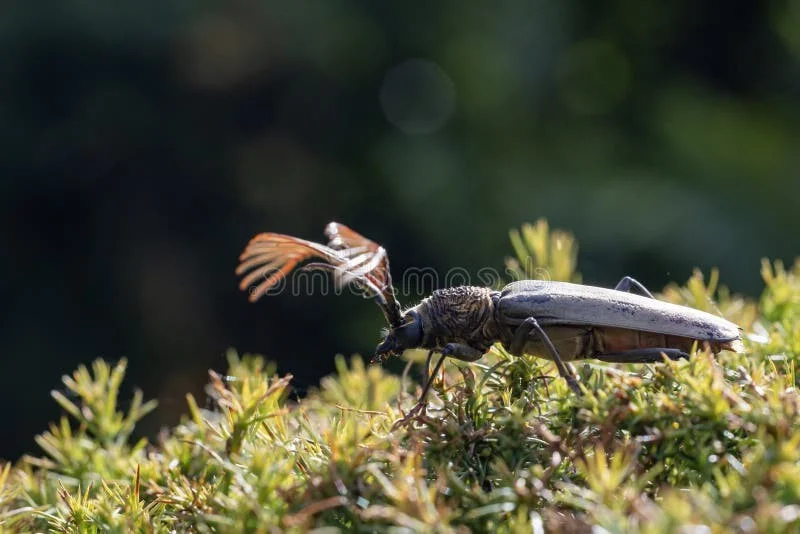
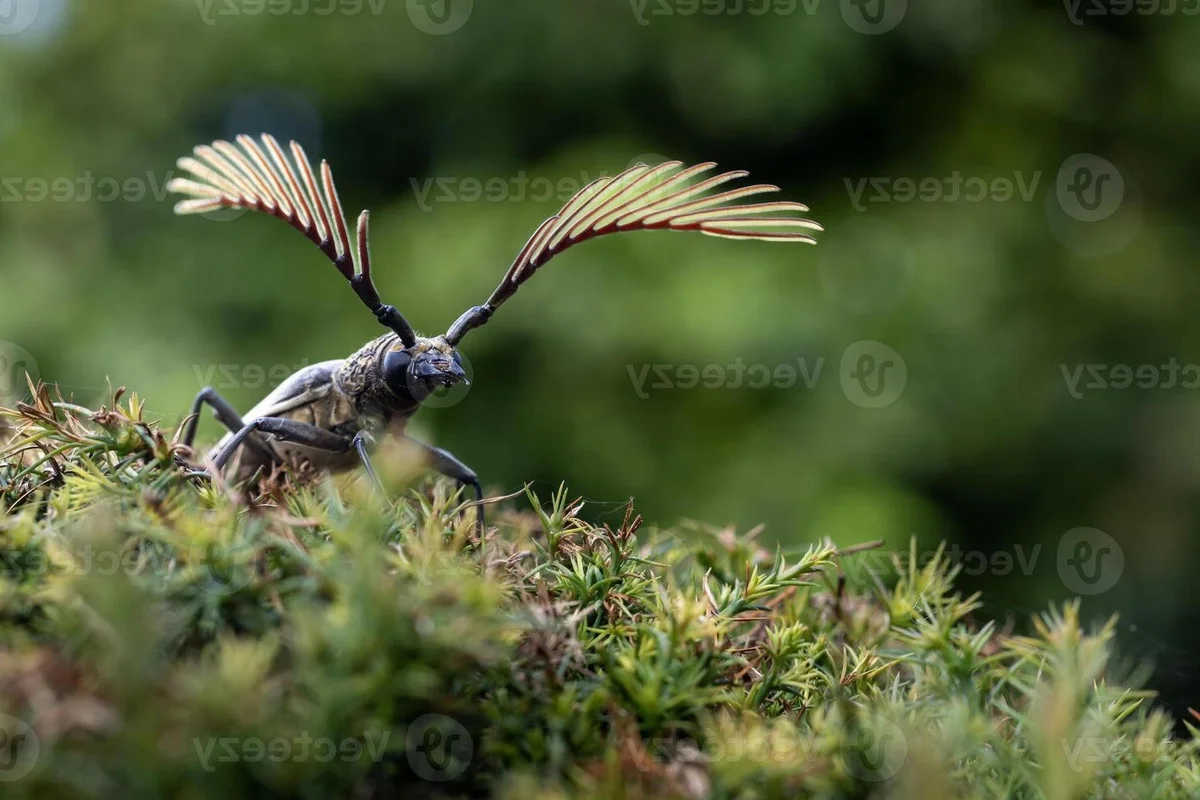
Discover the Rare Wallace's Longhorn Beetle (Cyriopalus wallacei): A Masterpiece of Tropical Biodiversity and Extraordinary Insect Anatomy
Deep in the lush rainforests of Southeast Asia dwells one of nature's most spectacular architectural wonders: the Wallace’s Longhorn Beetle, scientifically known as Cyriopalus wallacei. This rare and elusive insect is a crown jewel for entomologists and nature photographers alike. Named in honor of the legendary naturalist Alfred Russel Wallace, this beetle is instantly recognizable by its magnificent, elongated antennae that feature a unique, comb-like structure, setting it apart from almost every other species in the Cerambycidae family.The Cyriopalus wallacei showcases a stunning palette of deep umber and warm ochre tones, with intricate patterns that provide perfect camouflage against the bark of tropical trees. These beetles are not just visual marvels; they play a vital role in the ecosystem of the rainforest, contributing to the natural cycle of life and maintaining the delicate balance of their habitat. Because they are so rarely encountered in the wild, sightings of this extraordinary beetle are a testament to the rich, yet fragile, biodiversity of the tropics.
Whether you are a dedicated insect collector, a macro photography enthusiast, or someone who simply appreciates the bizarre beauty of the natural world, the Wallace’s Longhorn Beetle represents the pinnacle of evolutionary design. Protecting the ancient forests of Southeast Asia is essential to ensuring that incredible species like the Cyriopalus wallacei continue to thrive. Explore the fascinating world of rare insects and discover why this particular longhorn beetle remains one of the most sought-after subjects in the field of tropical biology and conservation.
#WallacesLonghornBeetle , #CyriopalusWallacei , #RareInsects , #TropicalBiodiversity , #EntomologyLife , #MacroPhotography , #RainforestWildlife , #NatureDiscovery
Laura taylor
2026-02-20 14:55:31.626541
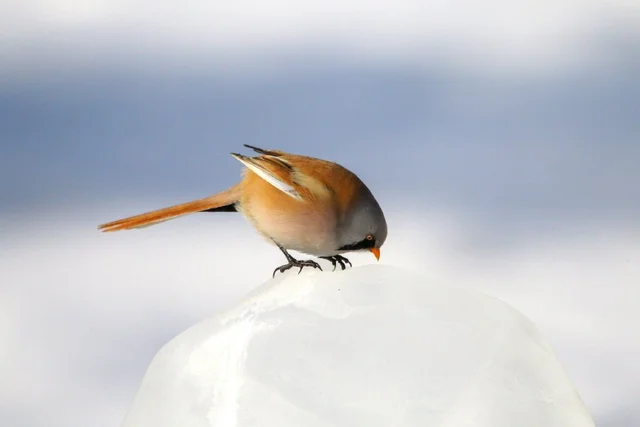
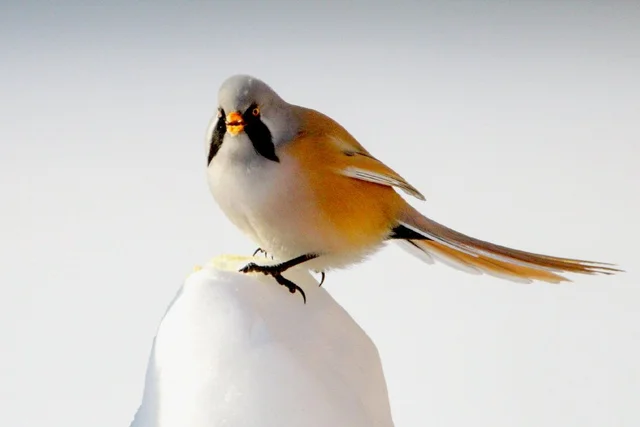
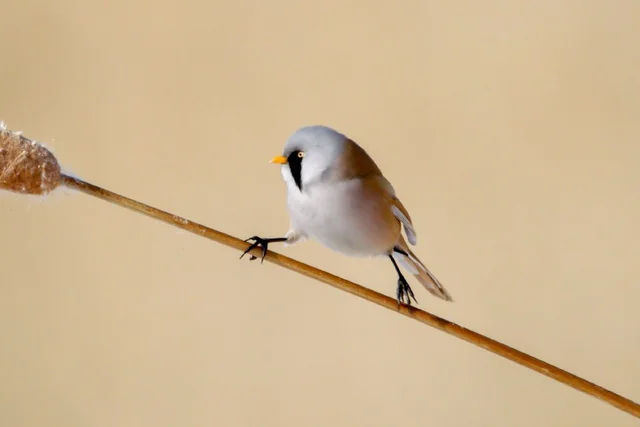
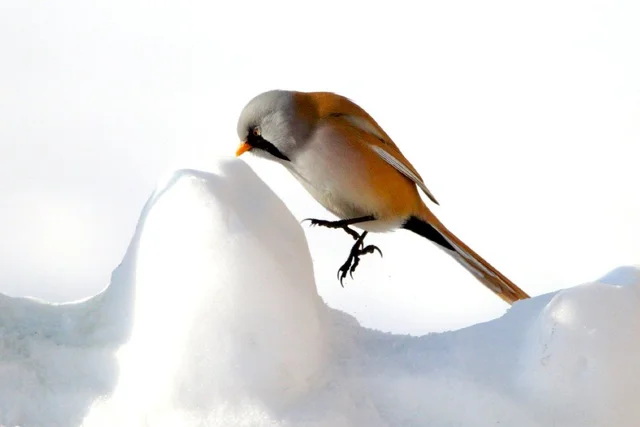
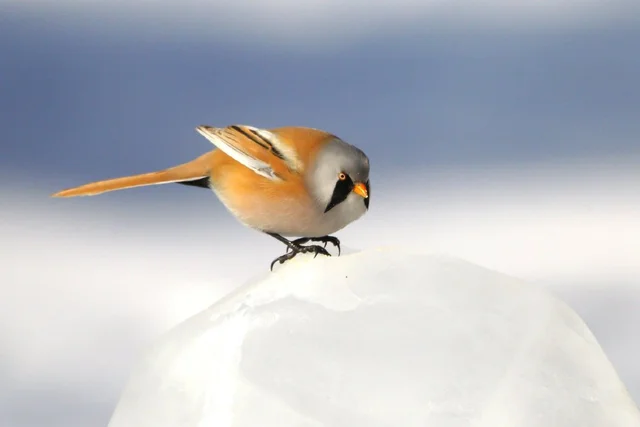
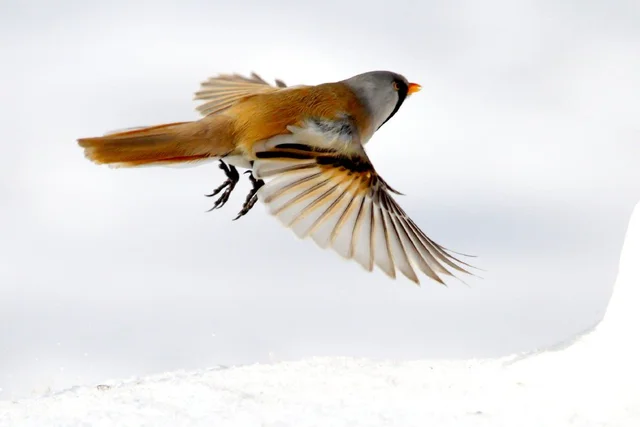
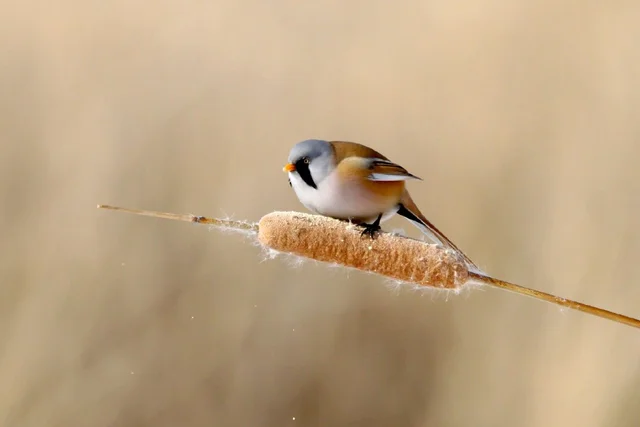
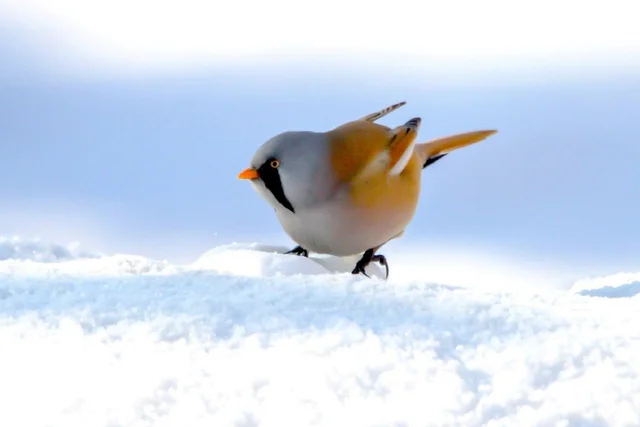
Stunning Bearded Reedlings Foraging in the Snowy Winter Landscapes of Daqing, Heilongjiang: A Wildlife Photography Masterpiece
Experience the enchanting beauty of nature with these breathtaking images of Bearded Reedlings (Panurus biarmicus) navigating the frost-covered wetlands of Daqing, Heilongjiang. Known for their distinctive facial markings and acrobatic movements, these small, social birds—often called Bearded Tits—create a striking visual contrast against the pristine white snow and golden reed beds of northern China. This collection captures the essence of winter survival as these resilient creatures forage for seeds amidst the ice and wind.For birdwatching enthusiasts and professional wildlife photographers, the sight of a Bearded Reedling in its natural snowy habitat is a rare and rewarding find. The soft, natural lighting of the Heilongjiang winter perfectly highlights the warm, tawny plumage and delicate features of these birds, making every frame a work of art. These photographs not only showcase the unique biodiversity of the region but also offer a peaceful glimpse into the quiet life of avian species in extreme climates.
Whether you are looking for inspiration for your next travel adventure or seeking high-quality nature photography for your collection, these scenes from Daqing provide a soul-soothing experience. The intricate details of the birds' feathers and their spirited interactions with the frozen environment make this a must-see for anyone passionate about the natural world. Discover the magic of the Bearded Reedling and the serene, frozen beauty of one of China's most scenic winter destinations.
#BeardedReedling , #WinterWildlife , #BirdPhotography , #NatureLovers , #DaqingHeilongjiang , #WildlifeInSnow , #BirdWatching , #NaturePhotography

kaery
2026-02-20 13:02:39.232956
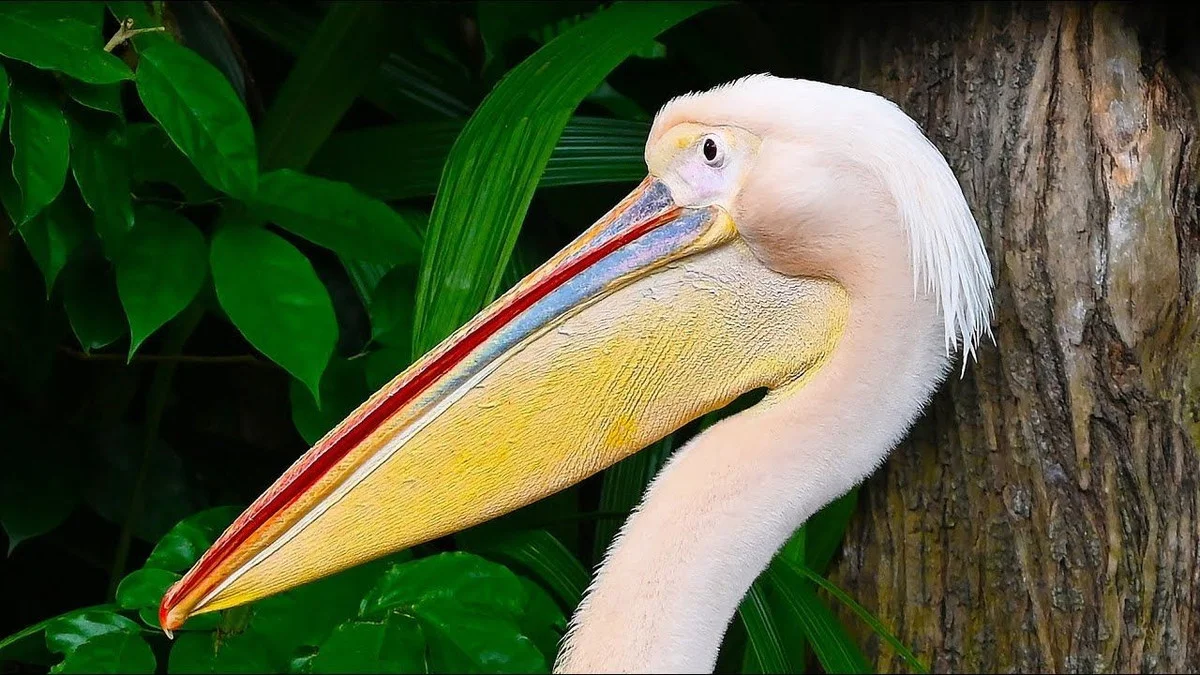
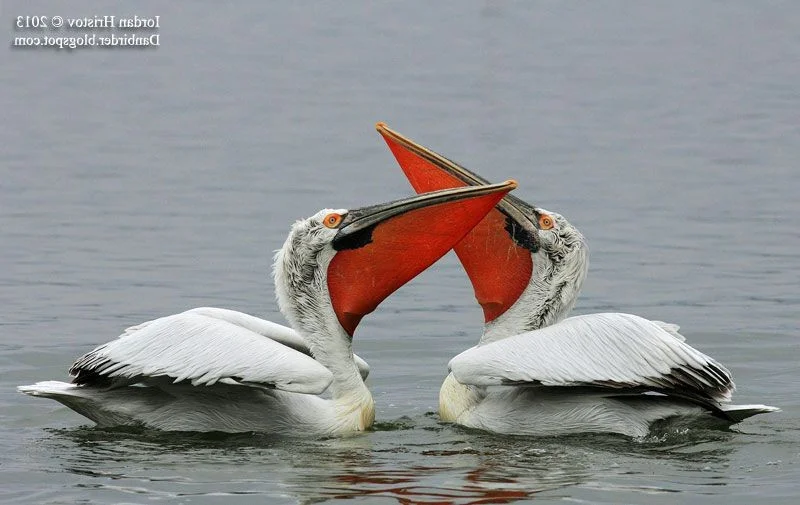
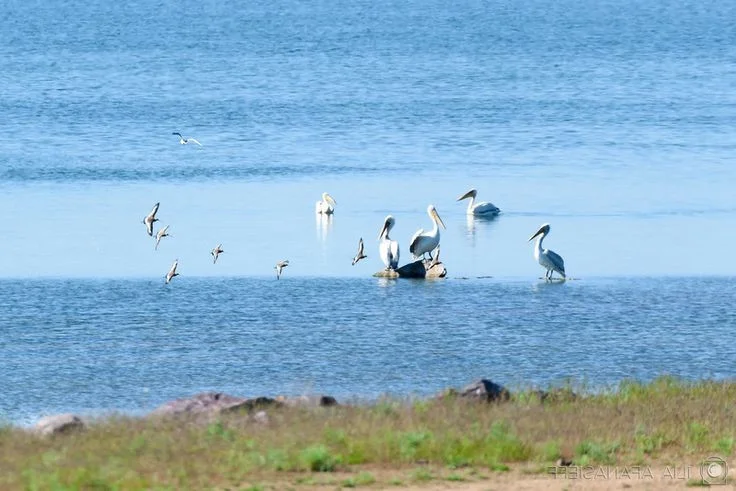
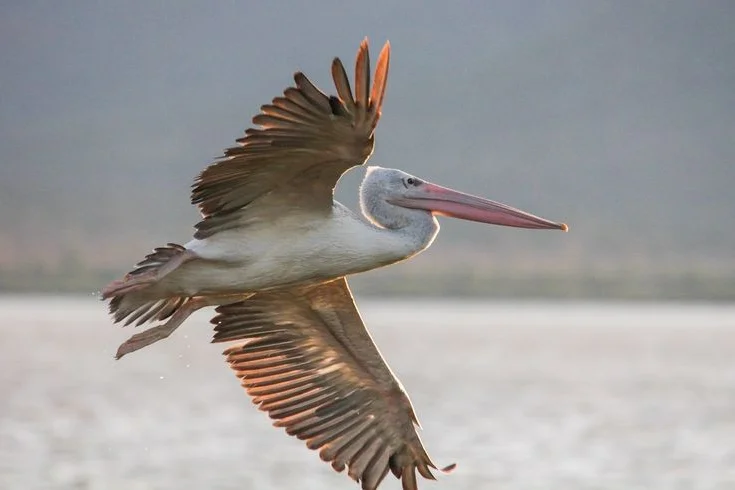
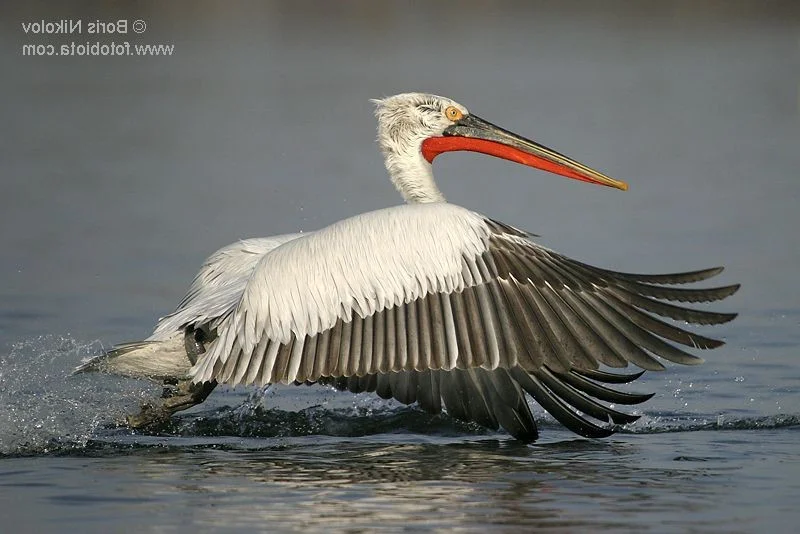
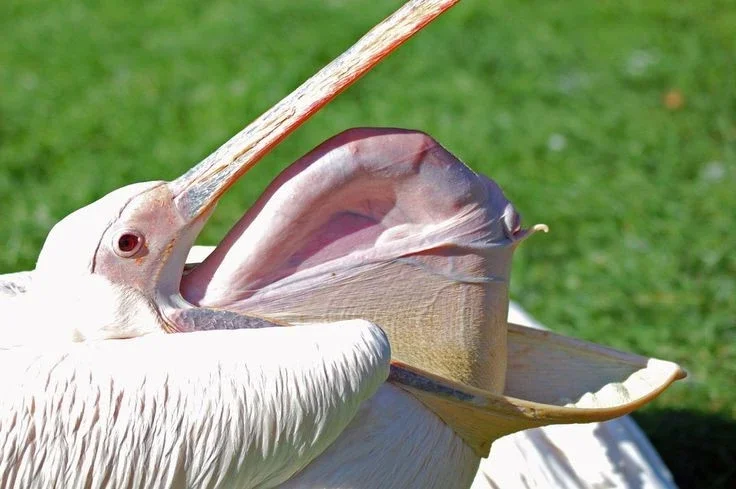
The Incredible Hunting Secrets of Pelicans: Discover the Bird with the World’s Most Unique Beak and Group Fishing Tactics
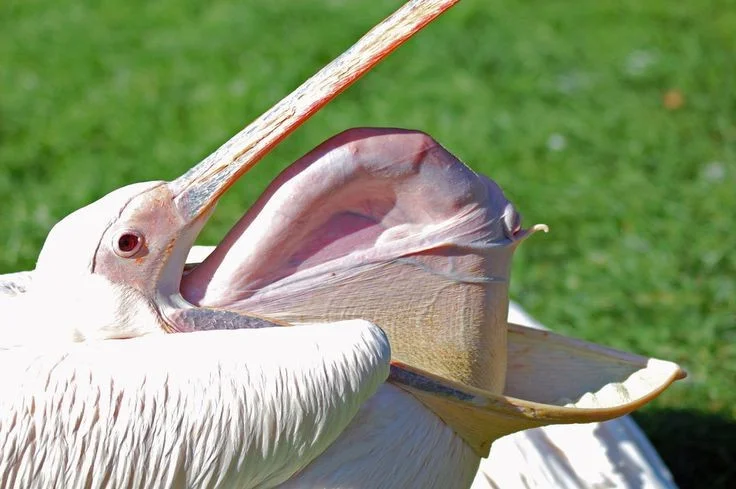
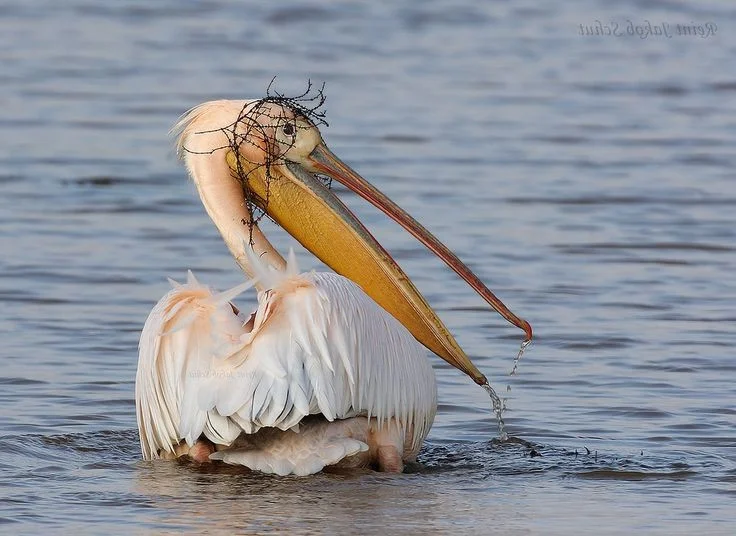
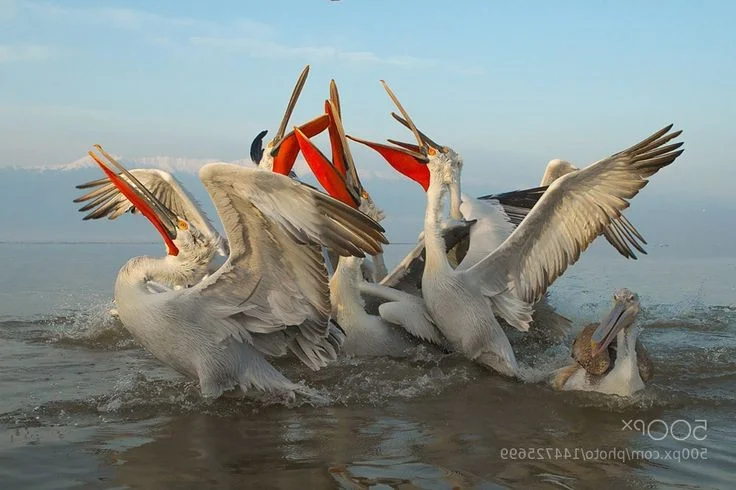
Explore the fascinating world of the Pelican, a member of the Pelecanidae family, known for having one of the most distinctive and functional beaks in the animal kingdom. These large water birds are far more than just coastal icons; they are master tacticians of the aquatic world. Our visual guide delves into the unique predatory behaviors that set them apart, particularly their highly coordinated group hunting methods. Unlike many solitary hunters, pelicans often work in unison, swimming in horseshoe formations to drive fish into shallow waters where they can easily scoop them up with their expansive throat pouches.Witness the incredible biological engineering of their giant beaks, which act as both a fishing net and a cooling system. From the serene rivers and lakes to bustling coastal estuaries, these birds adapt beautifully to diverse environments. Beyond their hunting prowess, pelicans are remarkable for their long-distance migration and powerful flight capabilities, often seen gliding gracefully over the waves. This deep dive into their lives highlights their vital role in maintaining a healthy ecosystem and why they have been revered in cultural myths for centuries. Whether you are a wildlife photography enthusiast or a nature lover, understanding the intricate life of the Pelecanidae offers a profound appreciation for the wonders of evolution. Discover the secrets behind their survival and the breathtaking beauty of these prehistoric-looking giants in their natural habitat.
#PelicanWildlife , #NaturePhotography , #Pelecanidae , #BirdWatching , #WildlifeConservation , #MarineLife , #NatureDocumentary , #BirdLovers
tremica
2026-02-16 20:57:23.680352
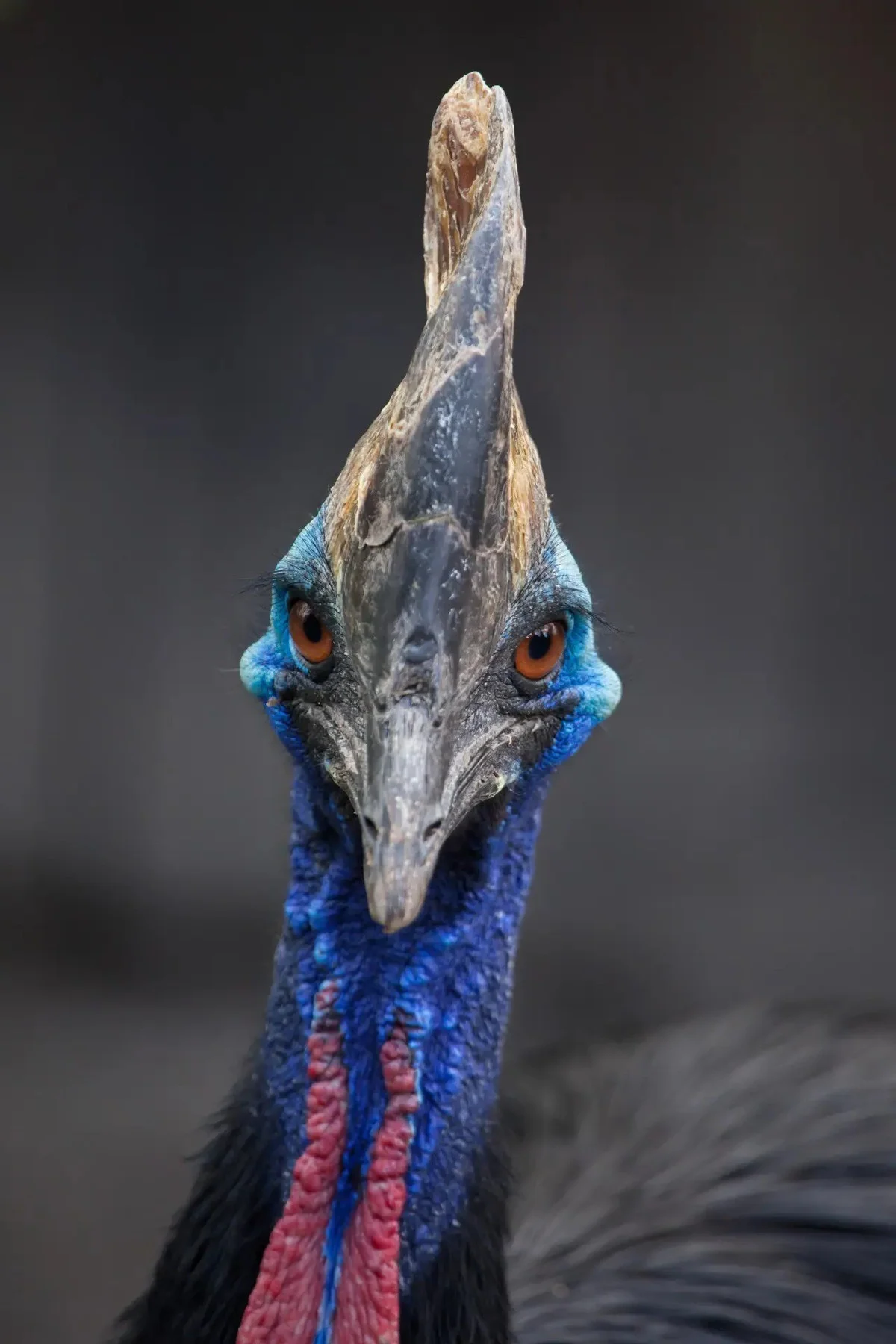
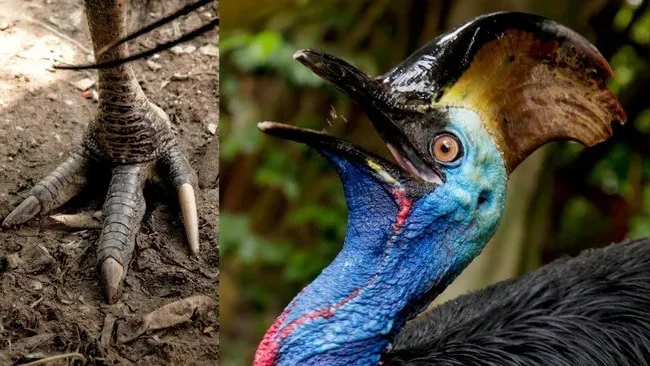
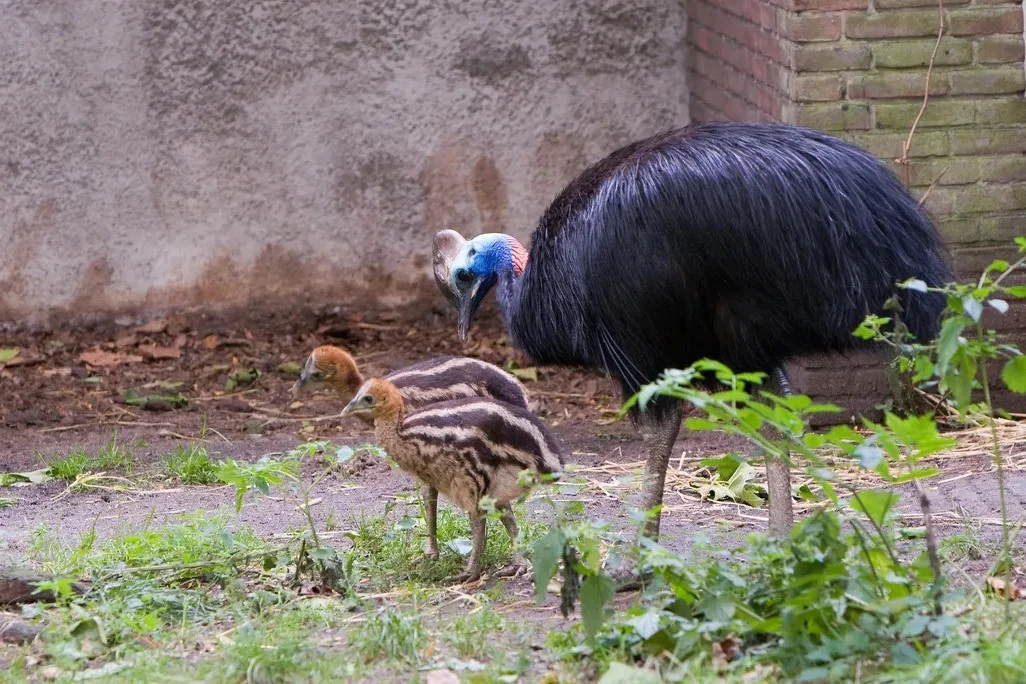
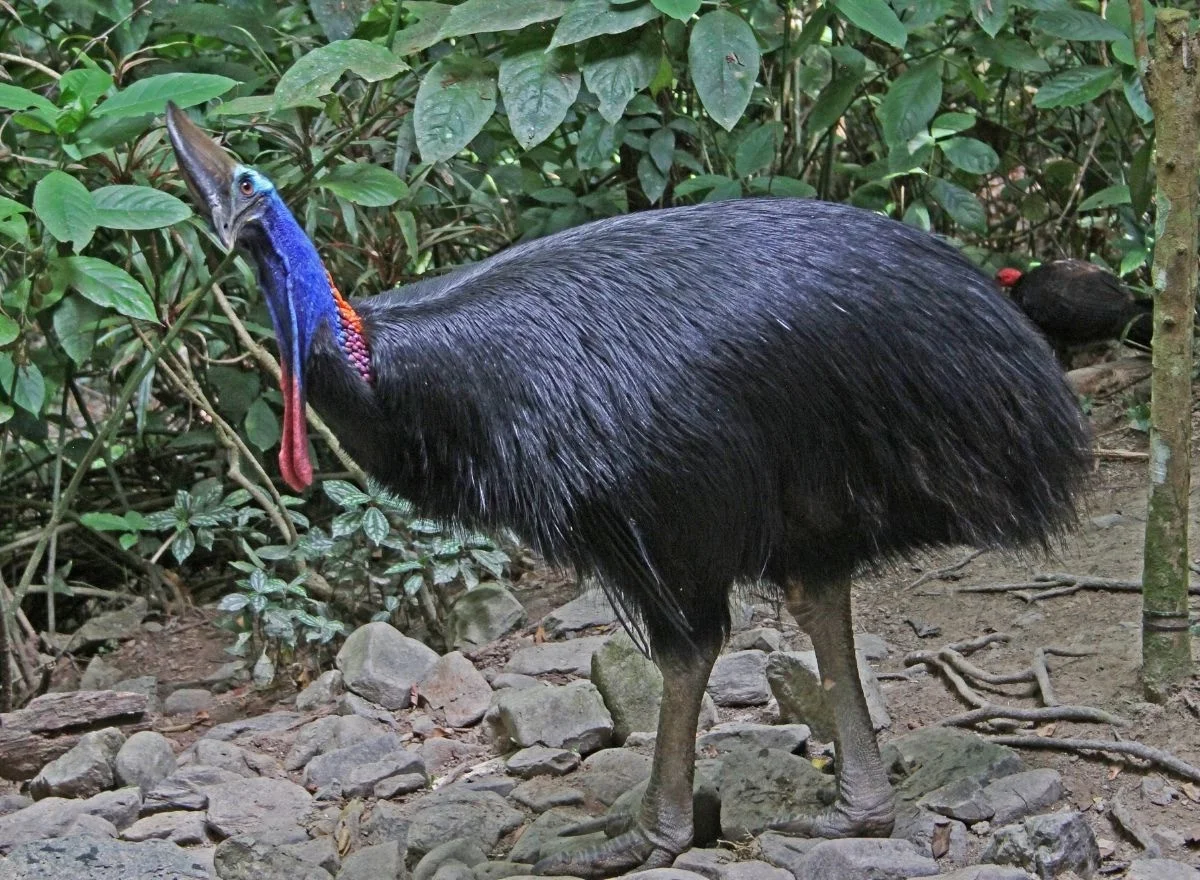
Ancient Secrets of New Guinea: How Humans Raised the World's Most Dangerous Giant Bird 18,000 Years Ago
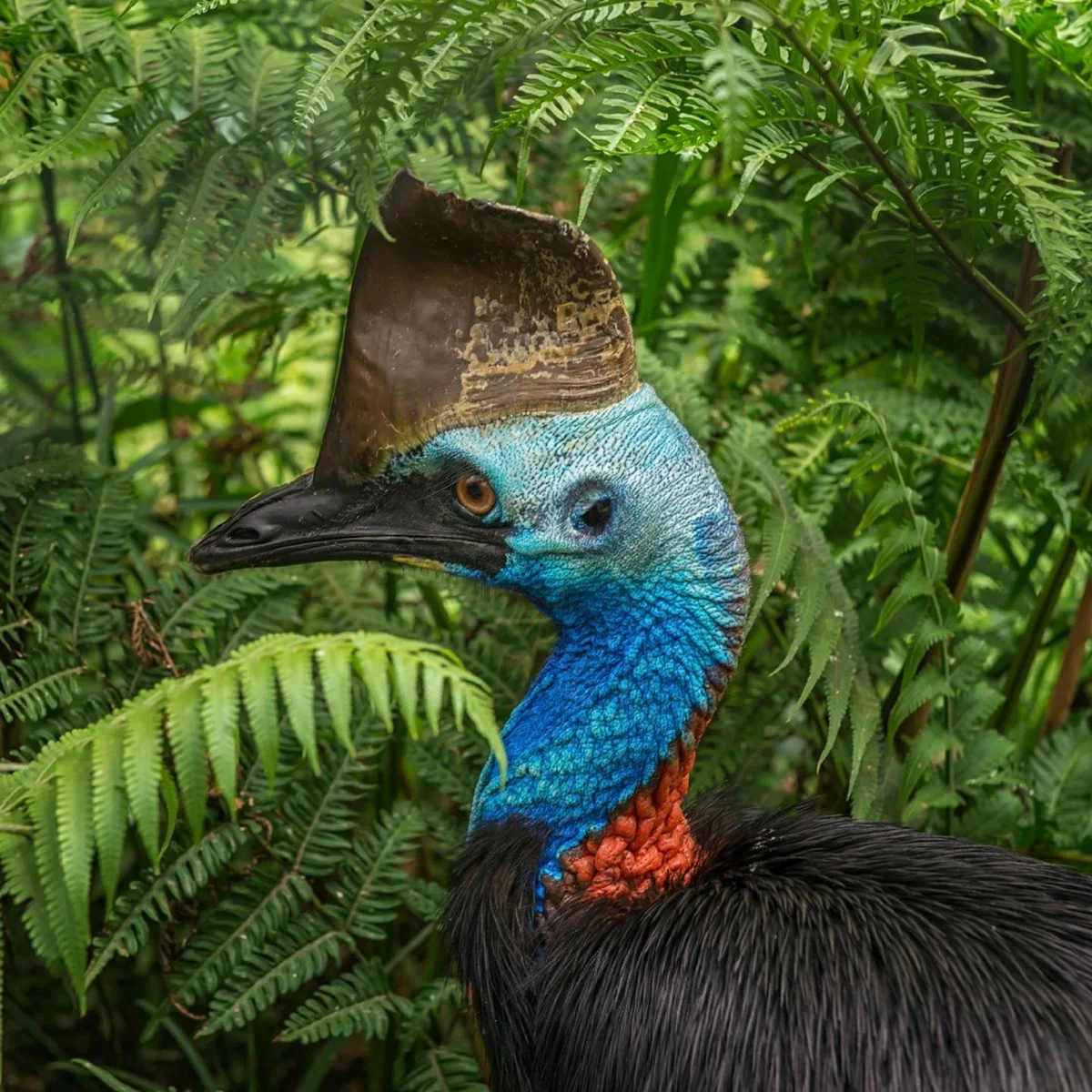
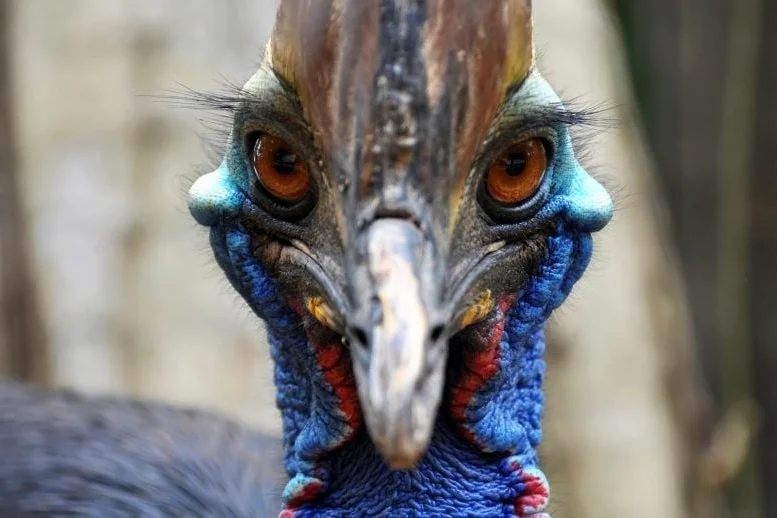
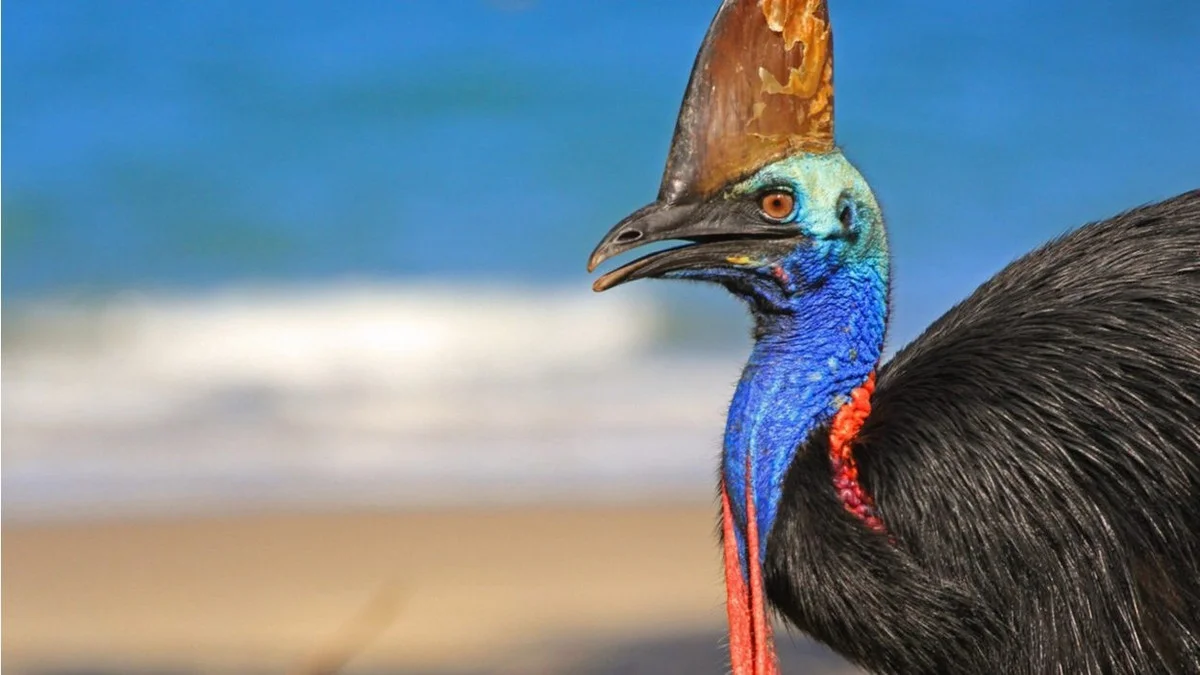
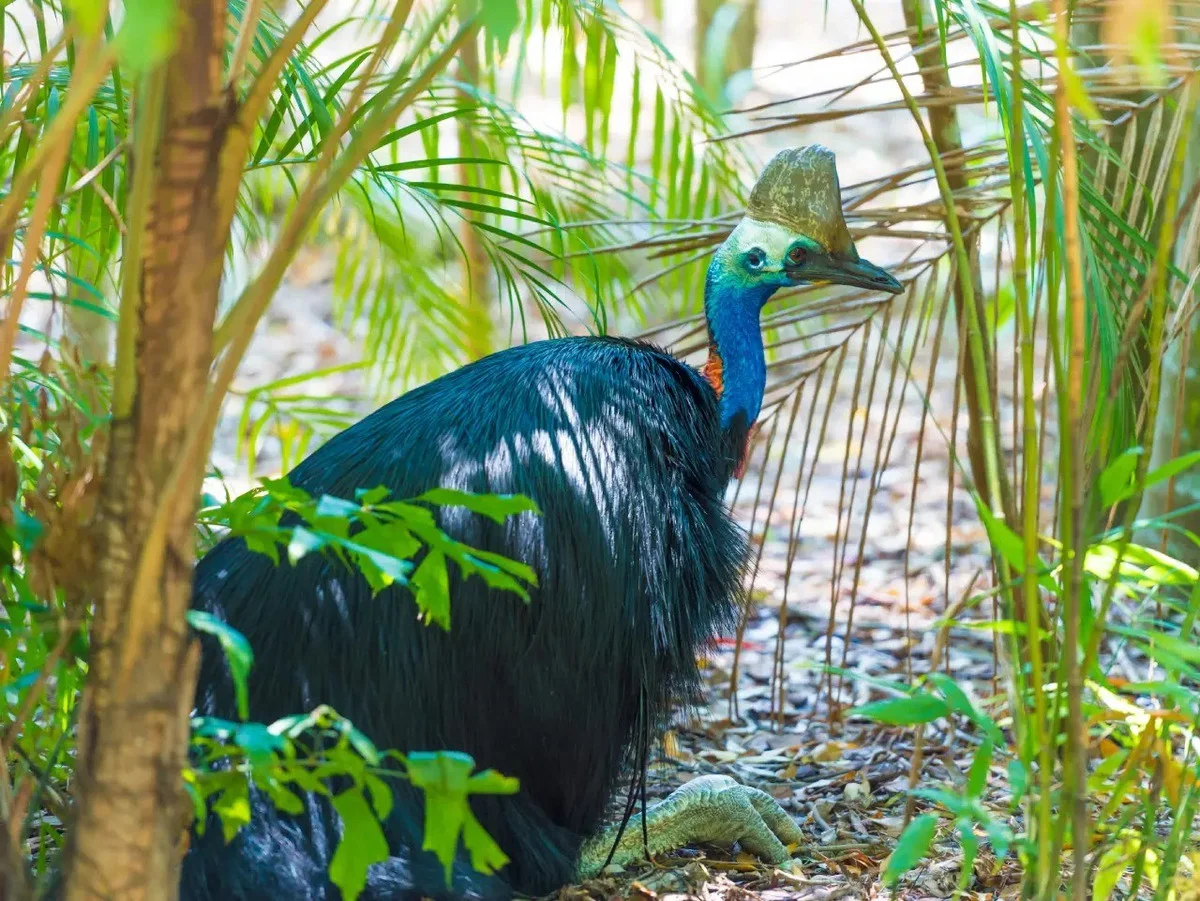
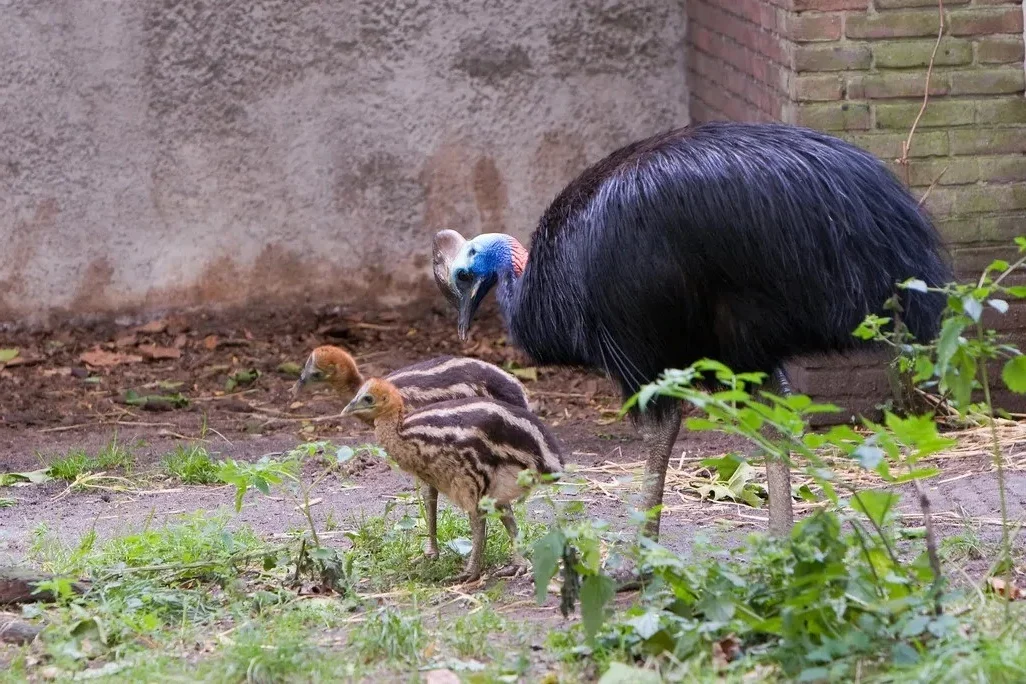
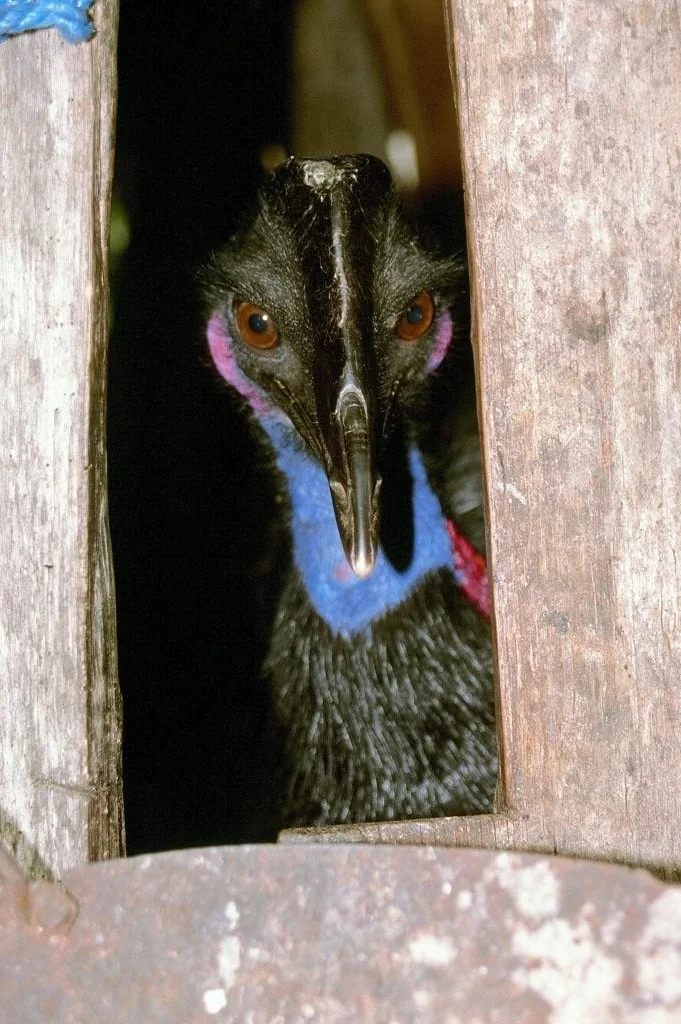
Step back in time to the dense rainforests of ancient New Guinea, where a fascinating and terrifying secret has recently been unearthed by archaeologists. Long before the domestication of chickens, early humans were already mastering the art of avian husbandry with one of nature’s most formidable creatures: the Cassowary. Often referred to as the 'world's most dangerous bird,' the Cassowary is a living relic of the prehistoric era, known for its striking blue plumage, sharp talons, and a powerful, helmet-like casque atop its head.New research suggests that approximately 18,000 years ago, ancient communities were collecting Cassowary eggs and hatching them to raise these giant birds. This incredible discovery positions the Cassowary as perhaps the earliest example of bird domestication in human history. Imagine the bravery required to manage a creature capable of such aggression and power! These birds, which share a striking resemblance to their dinosaur ancestors, played a vital role in the cultural and survival practices of early New Guinea settlers.
For history buffs and wildlife enthusiasts, this story offers a unique glimpse into the complex relationship between humans and the natural world. From the vibrant colors of the bird’s neck to the rugged terrain of the Pacific islands, the visual history of the Cassowary is as captivating as it is intense. Whether you are exploring the depths of evolutionary biology or seeking inspiration for your next travel adventure to the tropics, the legacy of the giant bird continues to stun and amaze.
#AncientHistory , #CassowaryBird , #NewGuinea , #PrehistoricWildlife , #ArchaeologyDiscoveries , #GiantBirds , #WildlifeHistory , #NatureTravel
keyahna
2026-02-14 23:09:08.018144
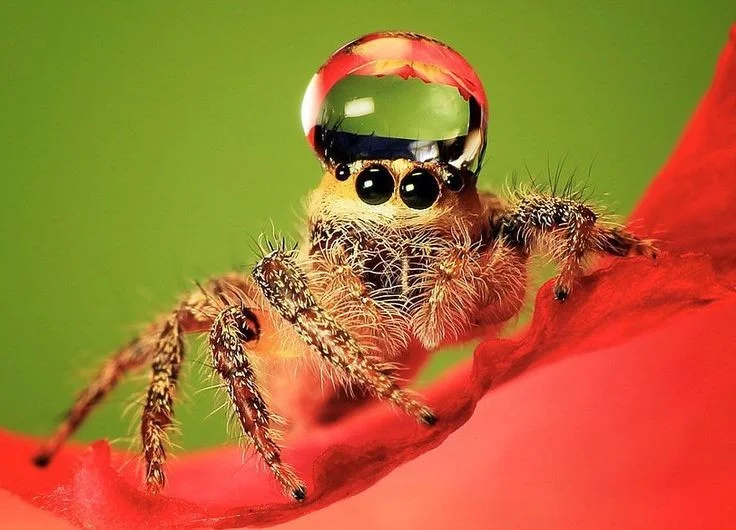
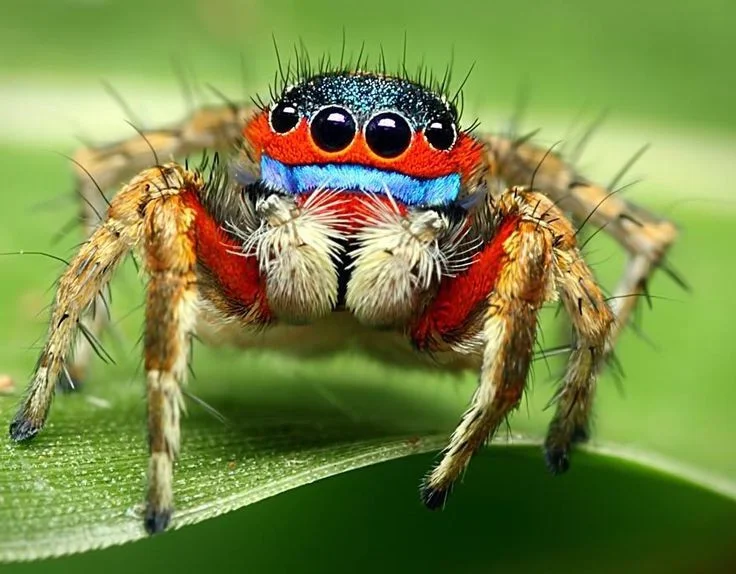
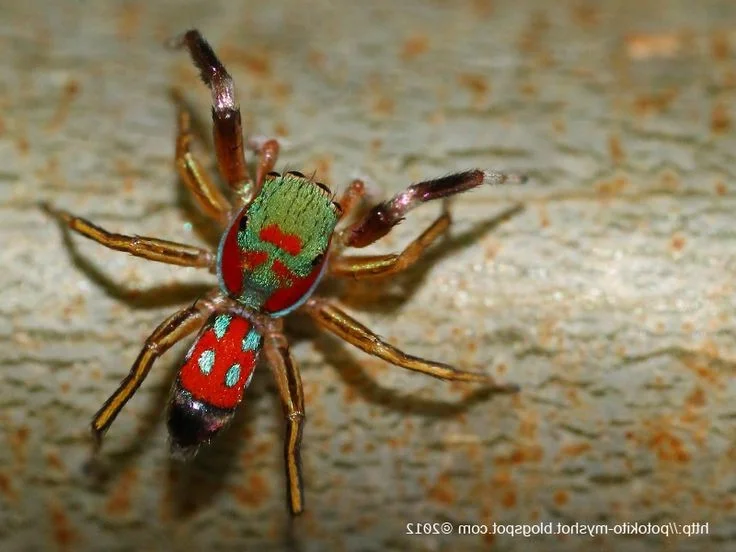
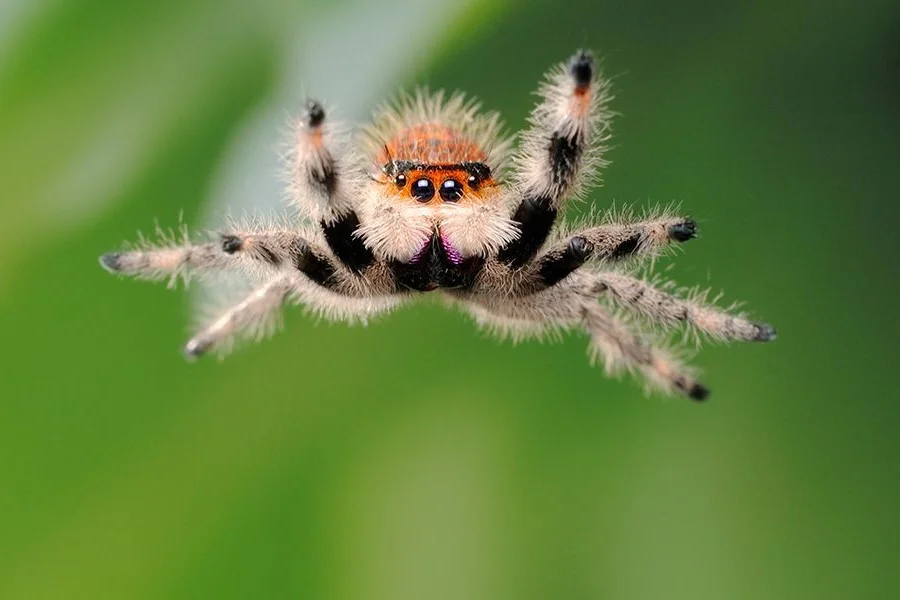
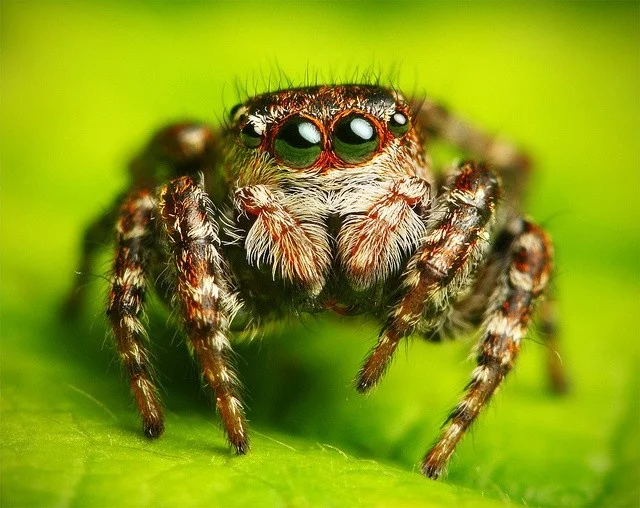
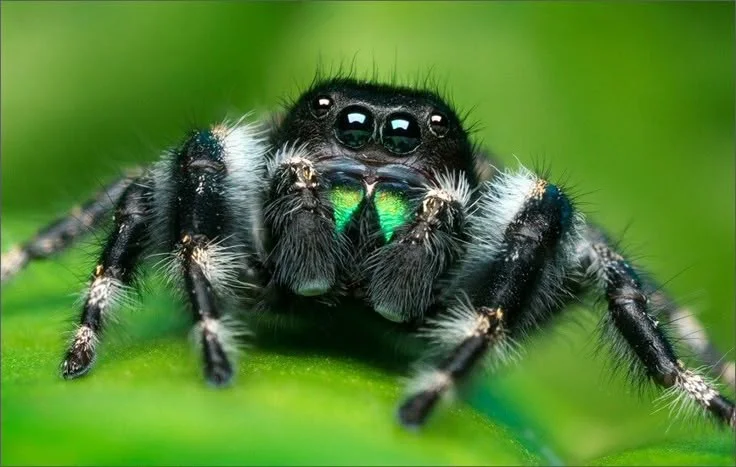
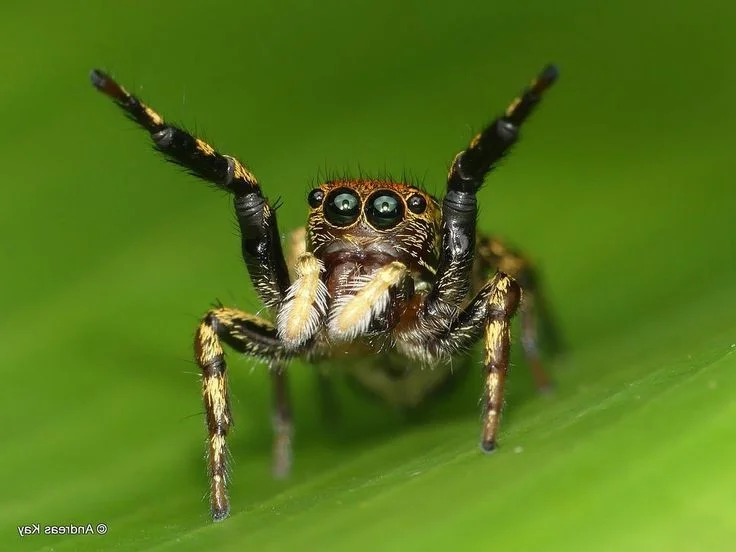
The Fascinating World of Colorful Jumping Spiders: Nature’s Tiny Predators with Incredible Vision and Vibrant Patterns
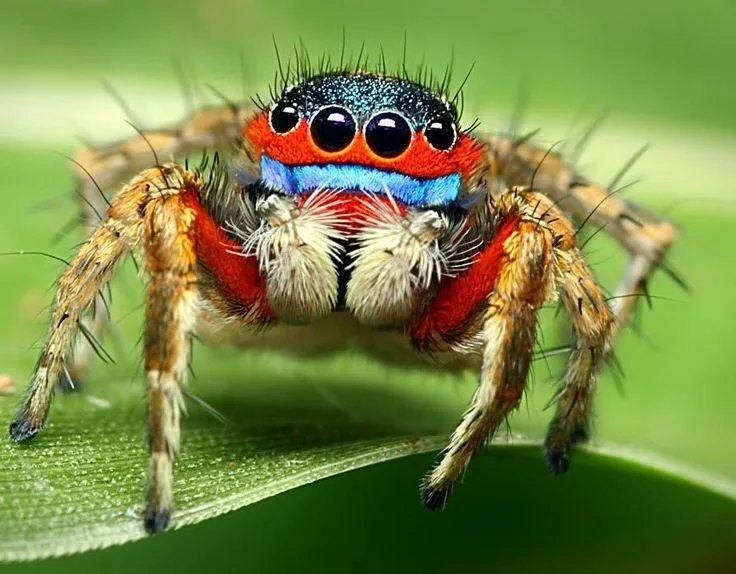
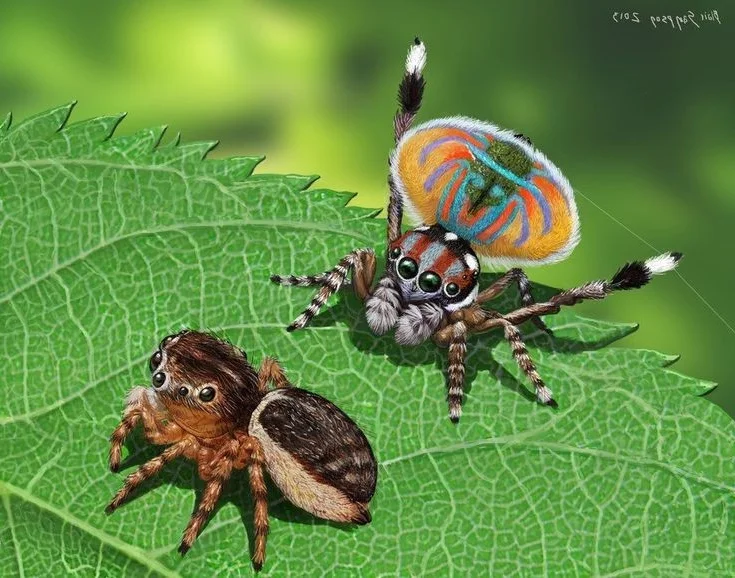
Nature is full of surprises, and few are as captivating as the colorful jumping spider, a member of the diverse Salticidae family. Often found in lush environments like Vietnam and across the globe, these tiny arachnids are far more than just 'creepy crawlies.' They are nature’s master hunters, equipped with extraordinary vision that rivals some of the most advanced optical systems in the animal kingdom. With four pairs of eyes, including two large front-facing ones, jumping spiders can perceive depth and motion with incredible precision, allowing them to calculate leaps many times their body length to catch prey without the need for traditional webs.Beyond their predatory prowess, jumping spiders are celebrated for their vibrant, jewel-like colors and intricate patterns. From neon greens to fiery oranges, their aesthetics make them a favorite subject for macro photographers and nature enthusiasts alike. Males are particularly famous for their elaborate courtship displays, performing rhythmic 'dances' to attract mates—a testament to their complex cognitive abilities and social behaviors. These spiders play a crucial role in our ecosystem by controlling pest populations naturally and efficiently.
Whether you are a science buff or a travel photographer looking for the hidden gems of the wild, the world of Salticidae offers endless fascination. Discover the unique behaviors and stunning beauty of these miniature marvels that prove great things really do come in small packages. Explore the rich biodiversity of Southeast Asia and beyond through the lens of these charismatic little creatures.
#JumpingSpider , #Salticidae , #WildlifePhotography , #MacroNature , #ColorfulSpiders , #NatureLovers , #Biodiversity , #TinyWonders
Tong Tan
2026-02-12 15:07:09.610979
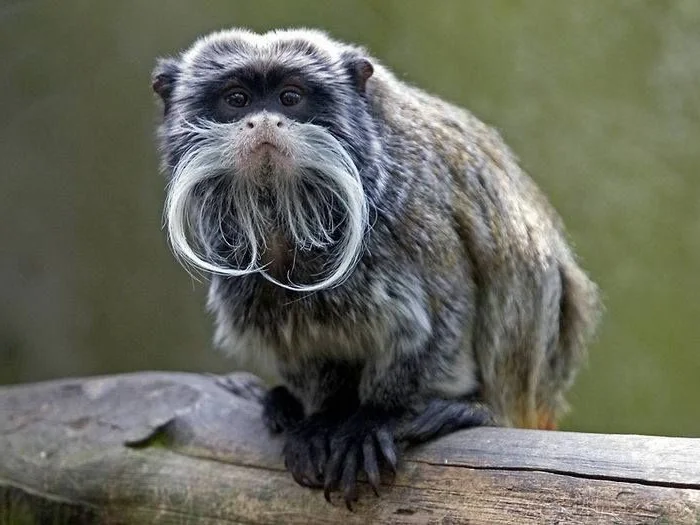
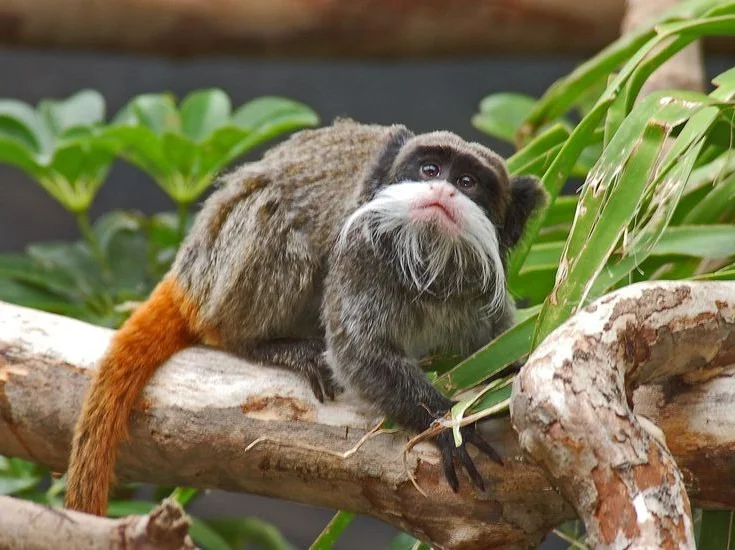
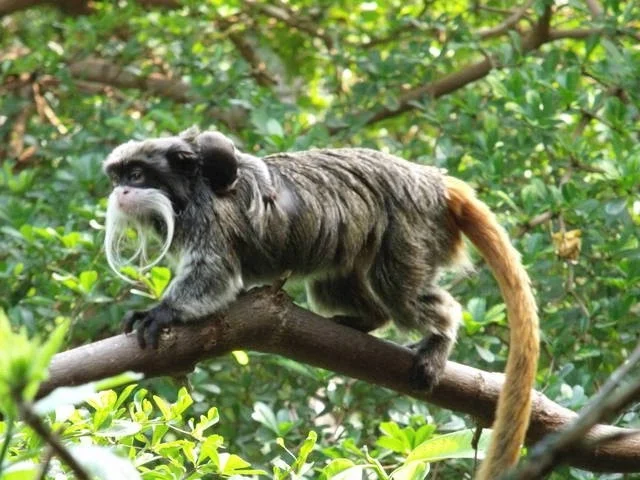
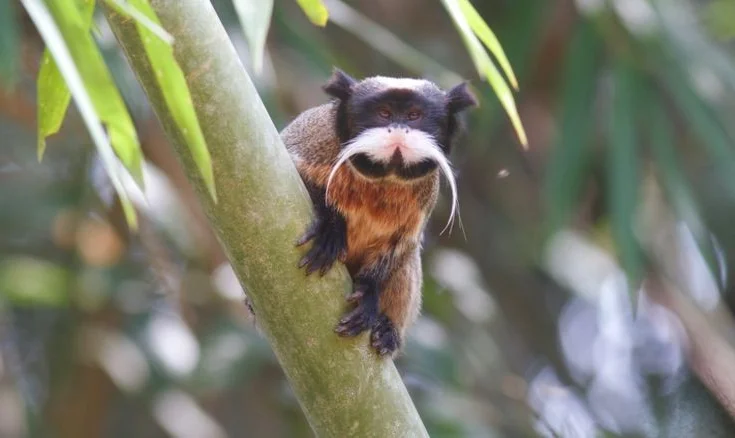
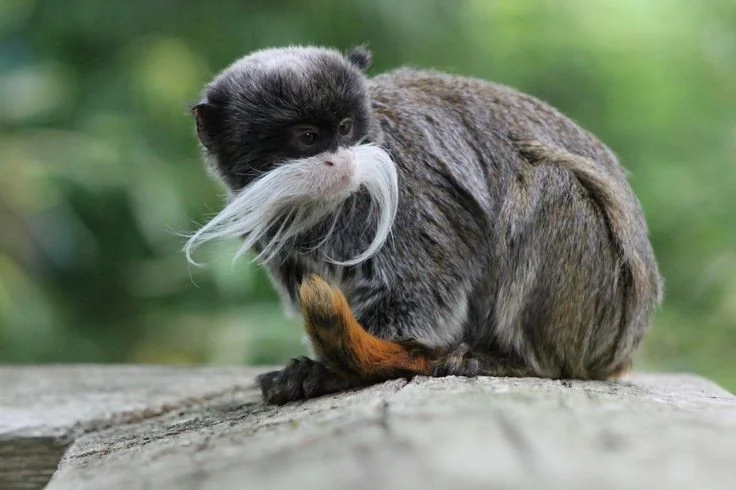
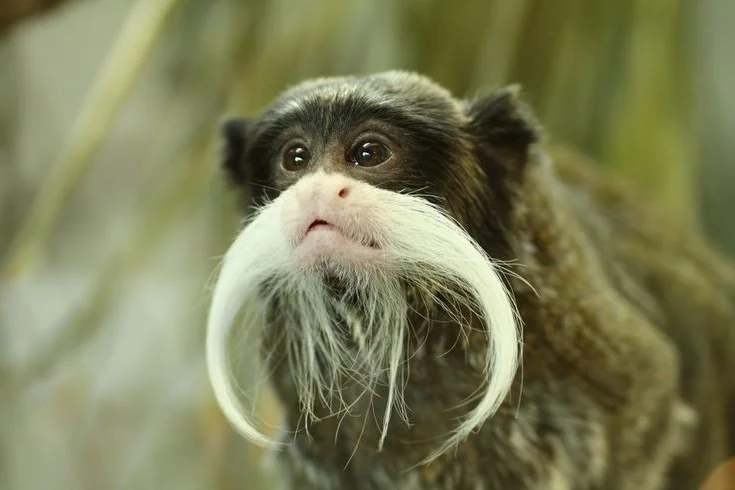
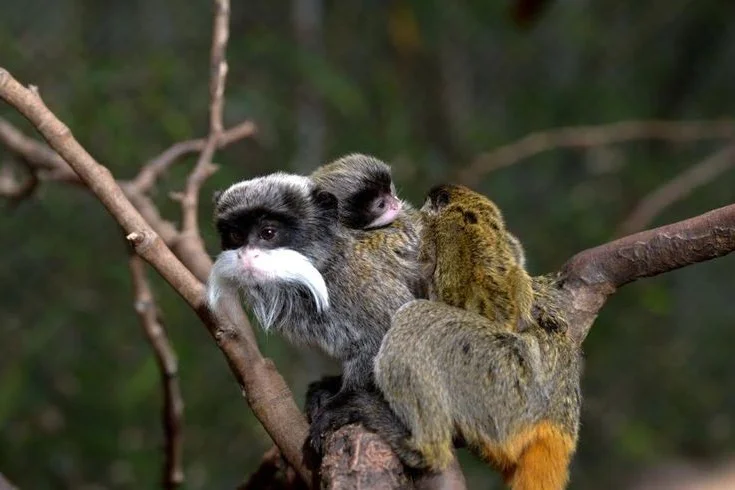
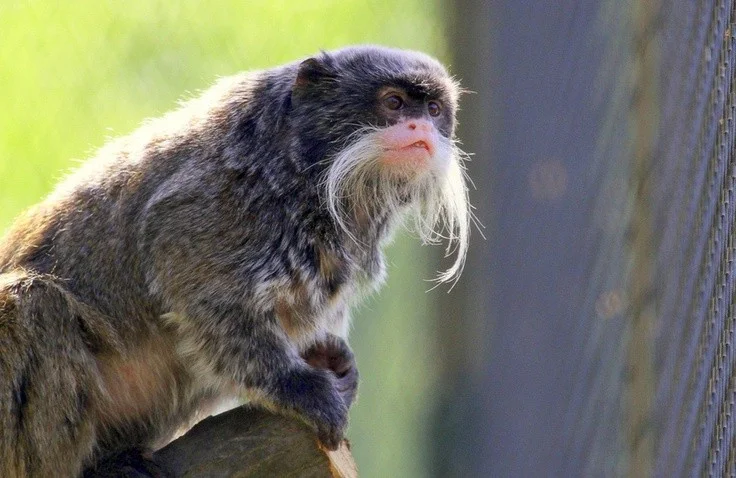
Discover the Emperor Tamarin: The Fascinating Mustache Monkey of the Amazon Rainforest
Deep within the lush canopy of the Amazon Rainforest lives one of the most distinctive primates on the planet: the Emperor Tamarin (Saguinus imperator). Known globally for its majestic, long white mustache that resembles the facial hair of a 19th-century European emperor, this small New World monkey is a true marvel of nature. Whether you are a wildlife enthusiast, a travel photographer, or a nature lover, capturing a glimpse of this unique creature is a bucket-list experience that highlights the incredible biodiversity of South America.The Emperor Tamarin is not just famous for its quirky looks; it also possesses fascinating social behaviors. These primates live in extended family groups where cooperation is the secret to their survival. Interestingly, the males often take on the primary role of carrying and caring for the infants, handing them back to the mothers only for nursing. Their diet is as varied as the rainforest itself, consisting of fruits, insects, and tree sap, which they skillfully forage across their territory in parts of Peru, Brazil, and Bolivia.
As you explore the wonders of the natural world, understanding the delicate balance of their ecosystem is vital. Unfortunately, habitat loss remains a significant threat to the Saguinus imperator. By highlighting these incredible animals, we bring awareness to the urgent need for Amazonian conservation. From their complex vocal communications to their playful antics, the Emperor Tamarin remains a symbol of the untamed beauty of the rainforest. This guide explores their unique characteristics and why they are a must-see for any wildlife enthusiast visiting the Amazon basin.
#EmperorTamarin , #AmazonRainforest , #WildlifePhotography , #ExoticAnimals , #NatureConservation , #PrimateWatching , #SouthAmericanWildlife , #SaguinusImperator
uJRagSLpeQz
2026-02-12 14:49:44.740635
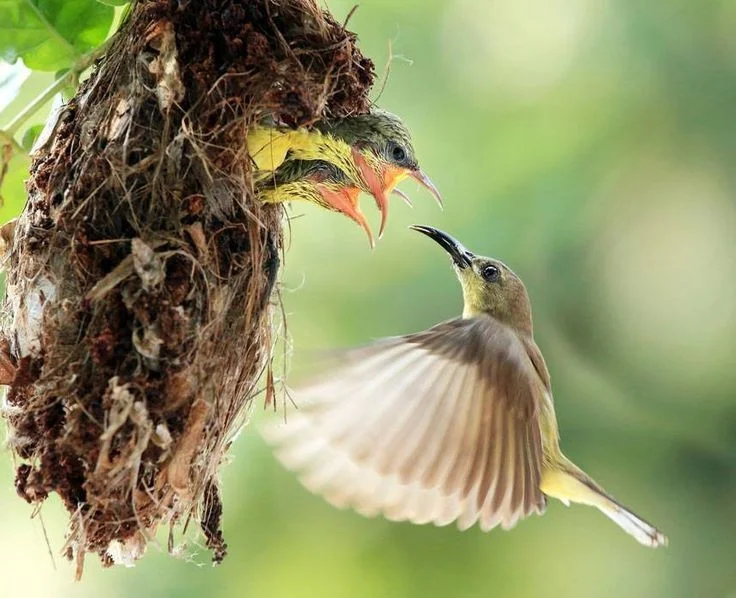
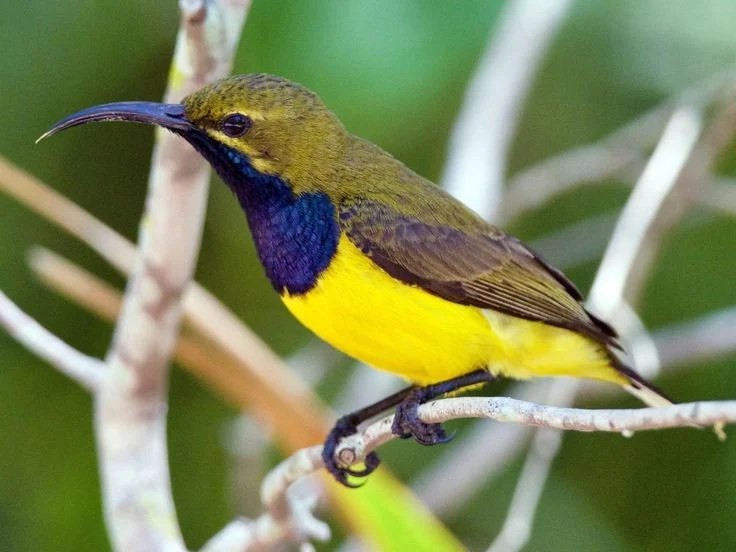
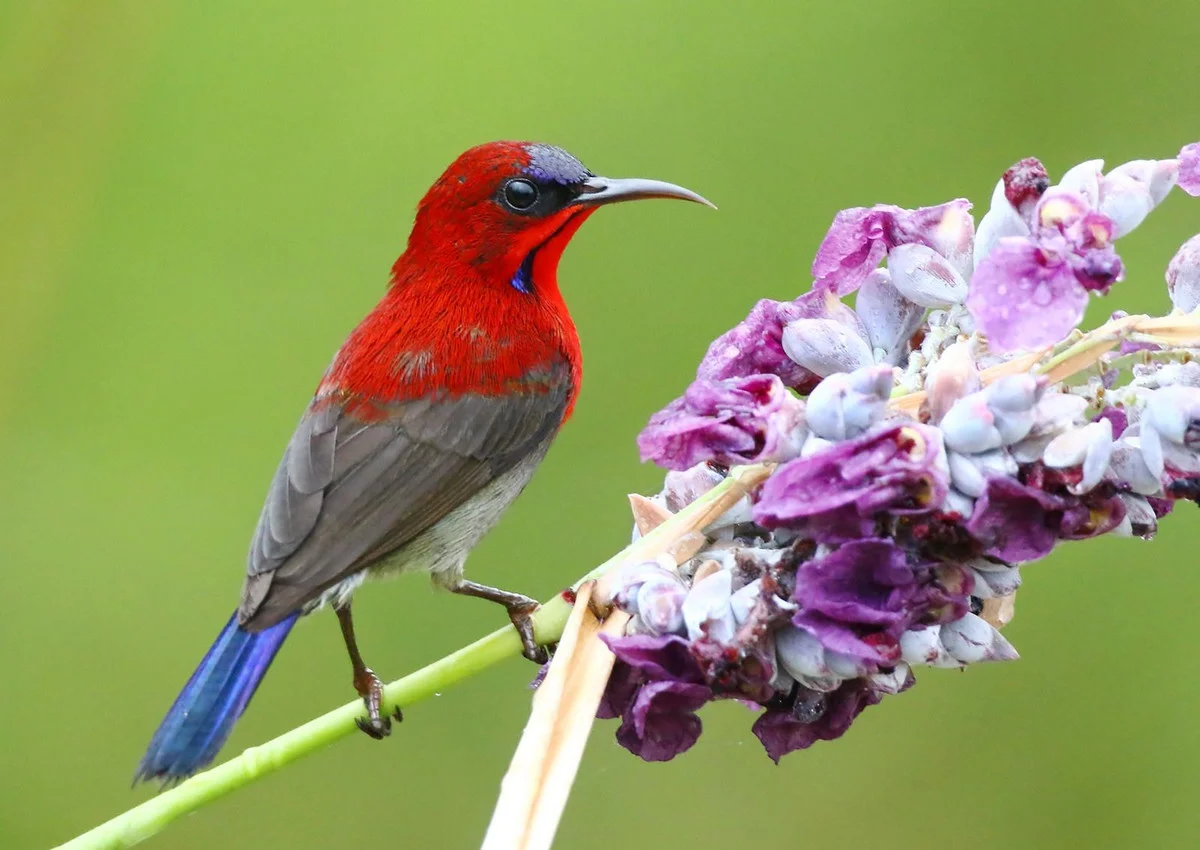
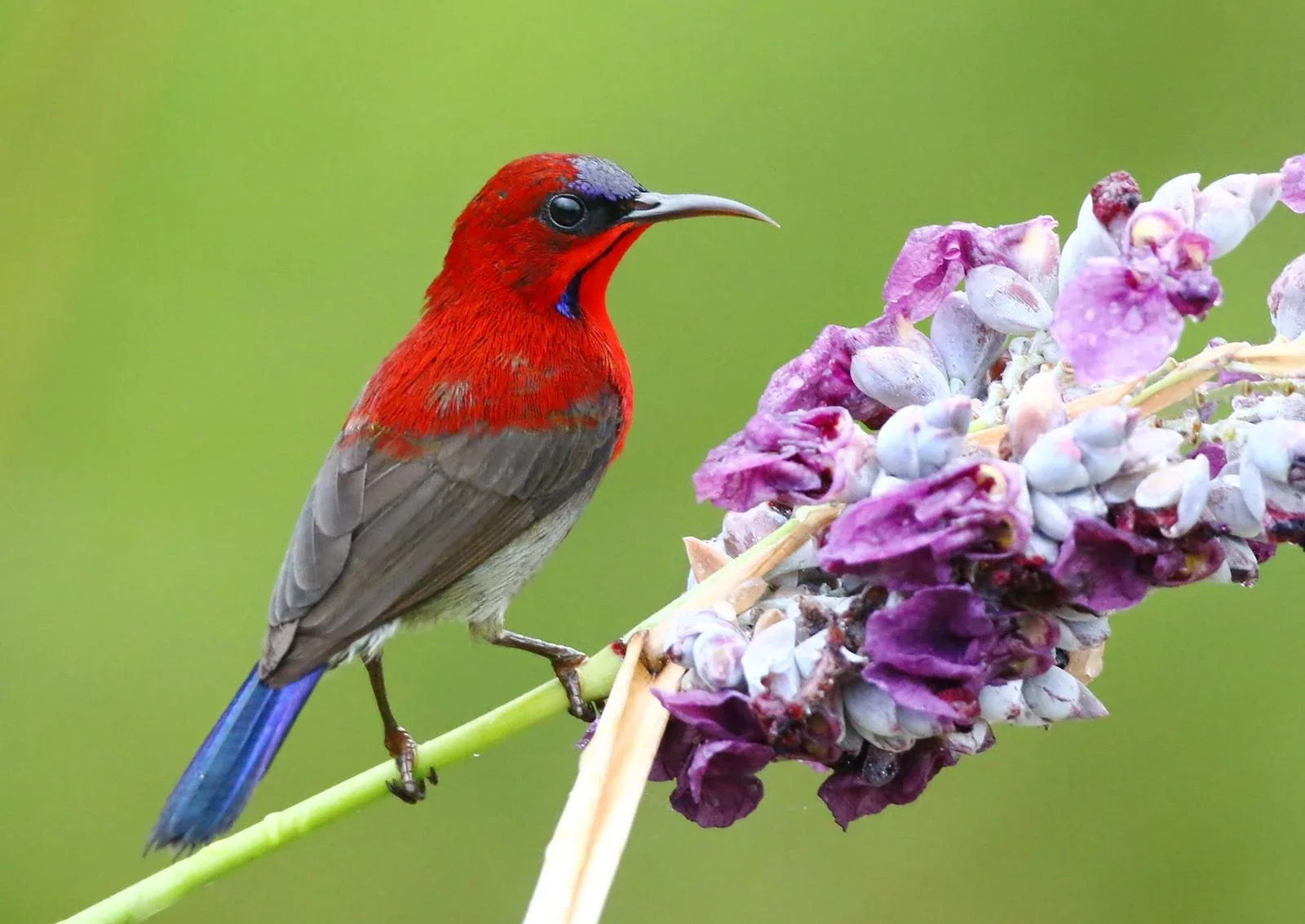
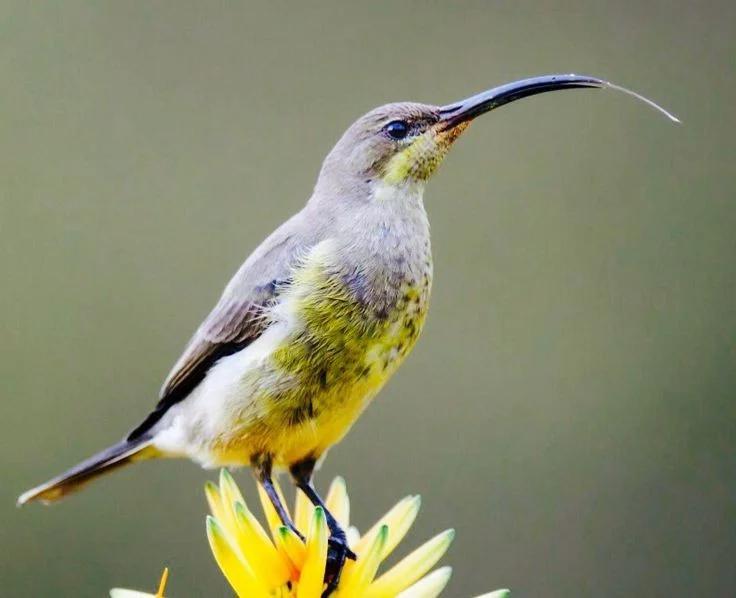
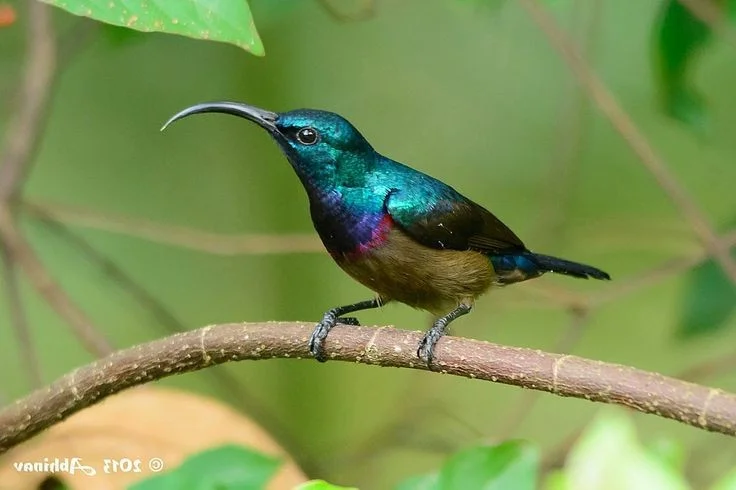
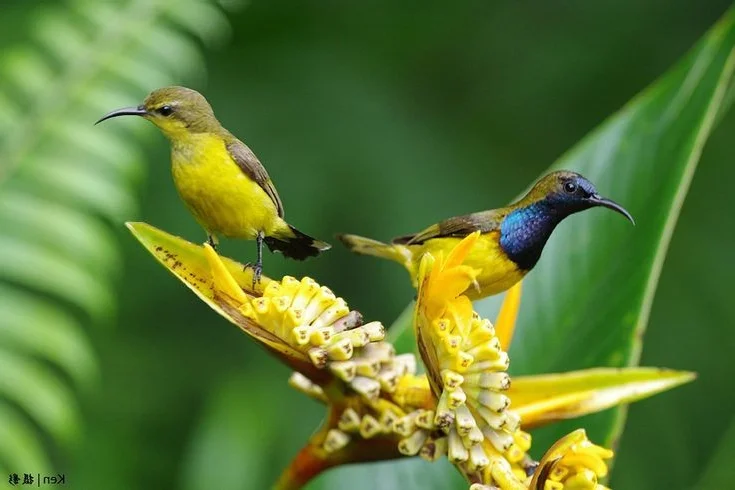
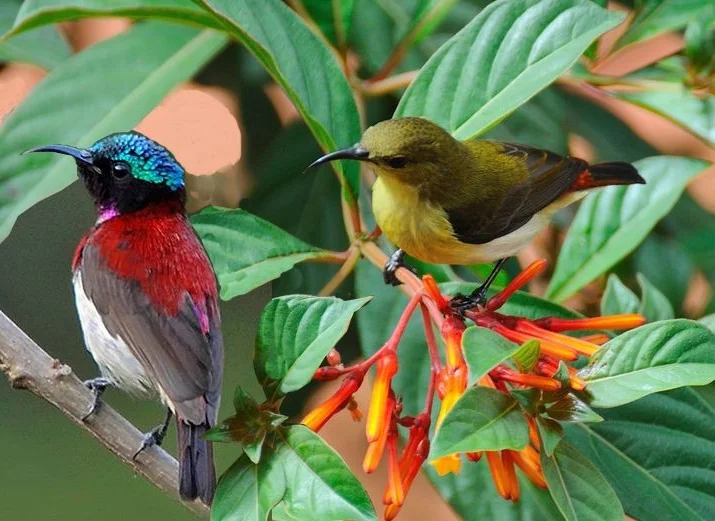
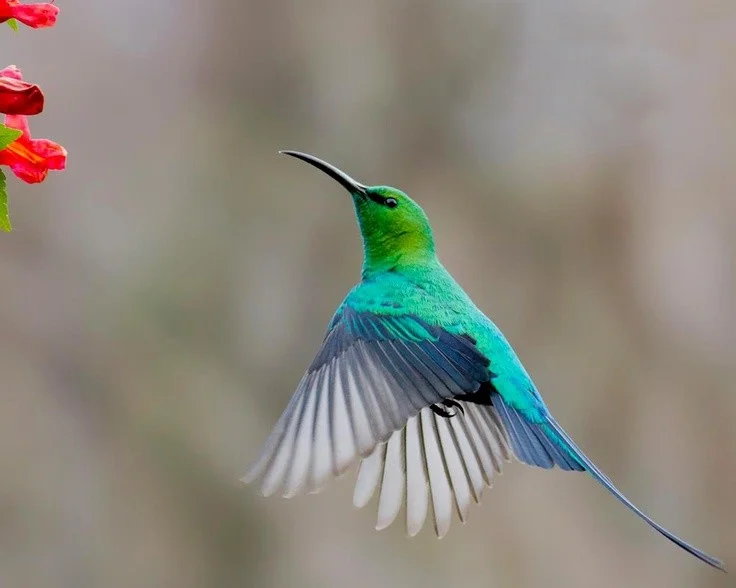
Stunning Sunbirds of Vietnam: Exploring the Unique Biology and Vibrant Plumage of Nature’s Most Efficient Nectar Feeders
Vietnam’s tropical rainforests are home to some of the most breathtaking avian species on the planet, but none are quite as fascinating as the Sunbird, belonging to the Nectariniidae family. Often referred to as nature’s vibrant jewels, these birds are celebrated for their iridescent plumage and remarkable biological adaptations. One of the most striking features of the Vietnamese Sunbird is its specialized, tube-shaped tongue. This unique evolutionary trait allows the bird to extract nectar from deep within tropical flowers with incredible speed and efficiency, making it a vital player in the local ecosystem.Beyond their feeding habits, Sunbirds play a crucial role as primary pollinators, ensuring the survival of numerous plant species within their habitat. Their physical morphology—ranging from curved beaks to brilliant, multi-colored feathers—is a testament to their adaptation to the dense forests of Southeast Asia. These birds are also master architects, known for weaving intricate, hanging nests that provide a safe haven for their eggs against predators.
Whether you are a dedicated birdwatcher or a nature enthusiast exploring the biodiversity of Vietnam, understanding the survival strategies and environmental impact of these small but mighty creatures is truly enlightening. This profile (Reference: 681191ae-8e39-4357-b7c8-cdc104e15e29) highlights the beauty of Vietnam’s wildlife and the necessity of protecting these natural wonders. From their complex social behaviors to their specific distribution across varied altitudes, the Sunbird remains a symbol of the delicate balance within tropical ecosystems.
#SunbirdsOfVietnam , #TropicalWildlife , #NaturePhotography , #BirdWatching , #VietnamBiodiversity , #AvianWonders , #Nectariniidae , #EcoTravel
Rian
2026-02-12 14:11:05.018760
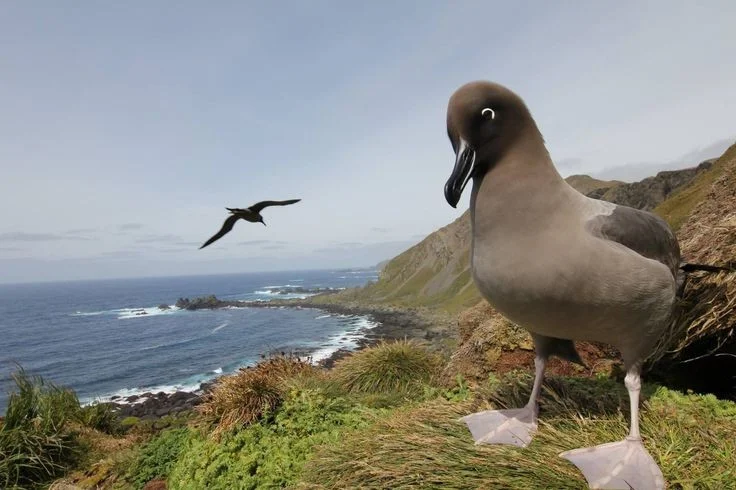
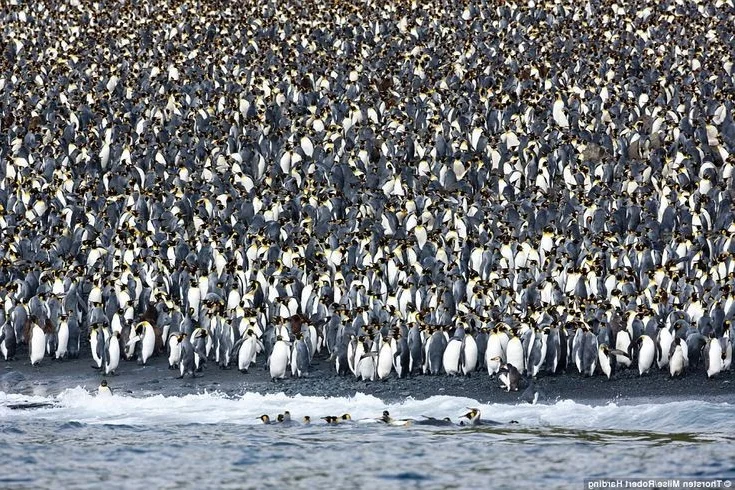
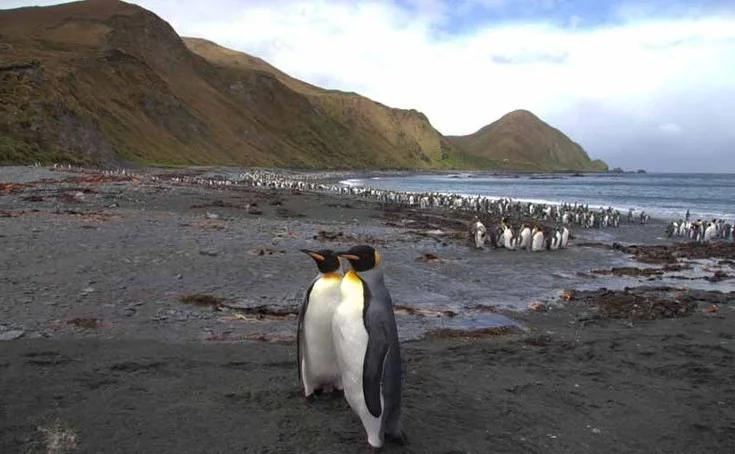
Macquarie Island: Exploring the Southern Ocean's Most Unique UNESCO World Heritage Site and Its Incredible Penguin Colonies
Discover the raw, untouched beauty of Macquarie Island, a remote jewel nestled in the Southern Ocean between Australia and Antarctica. As a UNESCO World Heritage site, this rugged landscape is world-renowned for its extraordinary geological significance and vibrant sub-Antarctic ecosystem. Our visual journey (ID: b84cfe3d-342f-404c-9a15-7cfde74fcc0a) captures the island's dramatic coastline, where the Earth's mantle is uniquely exposed above sea level, creating a landscape unlike any other on the planet.The island serves as a vital sanctuary for spectacular wildlife. Witness the bustling colonies of Royal Penguins—a species found nowhere else on Earth—distinguished by their striking yellow crests. Alongside them, majestic King Penguins and massive Southern Elephant Seals dominate the rocky shorelines, creating a primal spectacle of nature. The lush, mist-covered hills and narrow isthmuses provide a breathtaking backdrop for anyone passionate about wildlife photography and nature conservation.
Beyond its scenic wonders, Macquarie Island is a hub for scientific discovery. The Macquarie Island Station supports critical research on climate change and marine biology. These images highlight the resilience of an ecosystem that has undergone extensive restoration to protect its native flora and fauna. From the dense kelp forests swaying in the cold surf to the panoramic views of its unique topography, Macquarie Island remains a testament to the wild, enduring spirit of the Southern Ocean. Explore this rare ecological treasure and see why it is often called the most unusual island in the world.
#MacquarieIsland , #SouthernOcean , #WildlifePhotography , #RoyalPenguins , #UNESCOWorldHeritage , #SubAntarctic , #NatureConservation , #TravelBucketList





Đông Hoàng
2026-02-12 03:28:42.536526
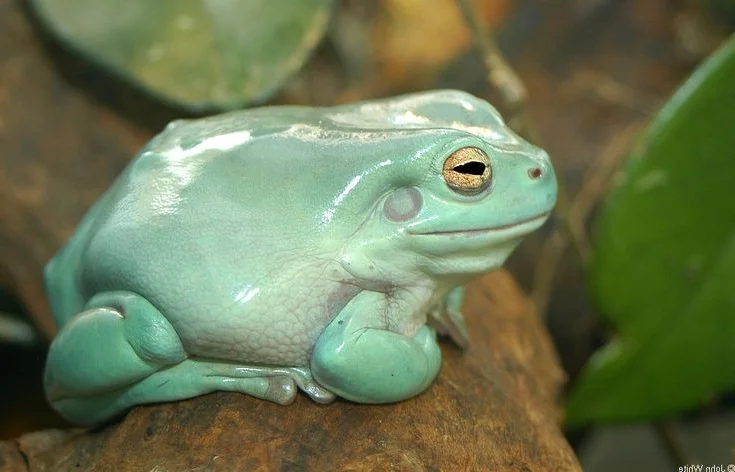
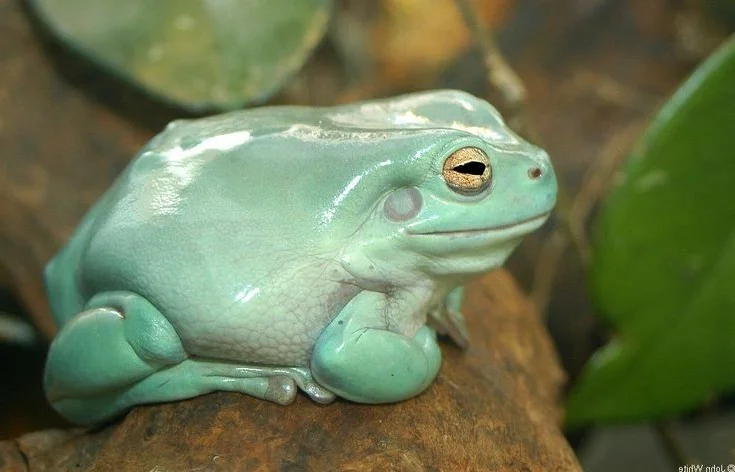
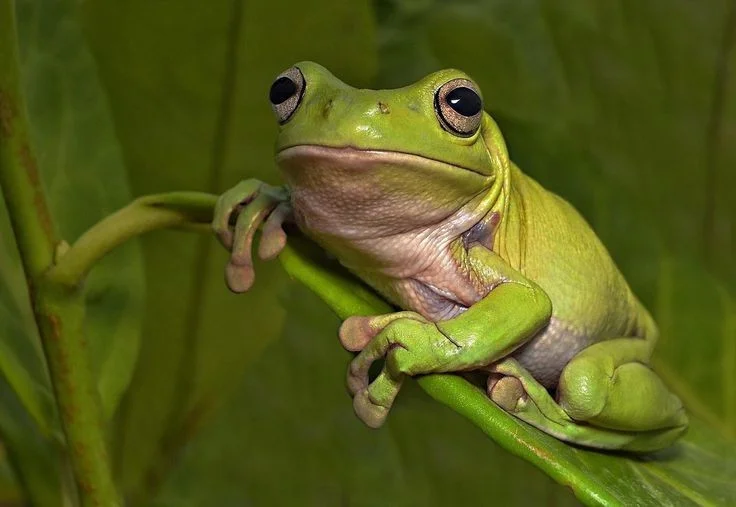
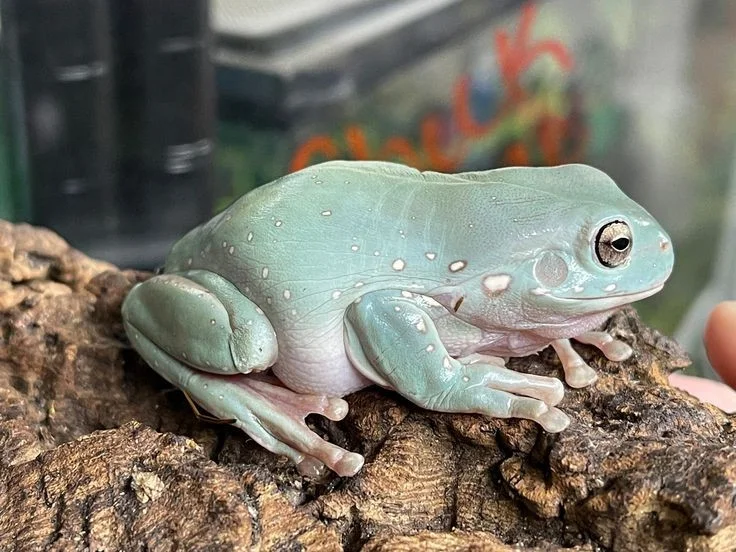
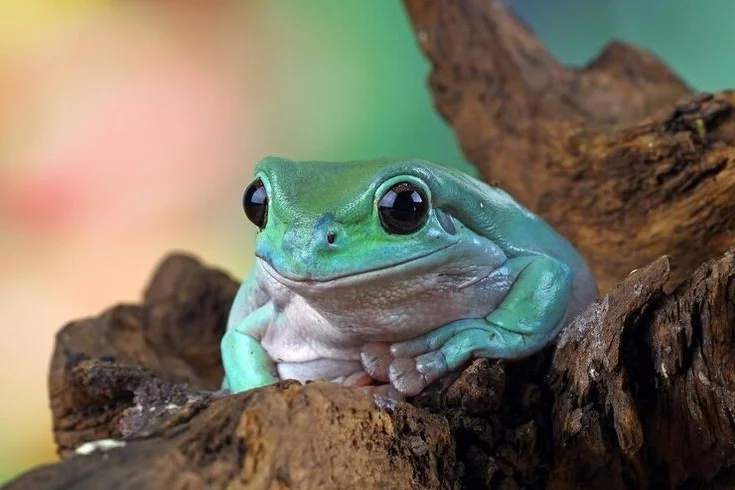
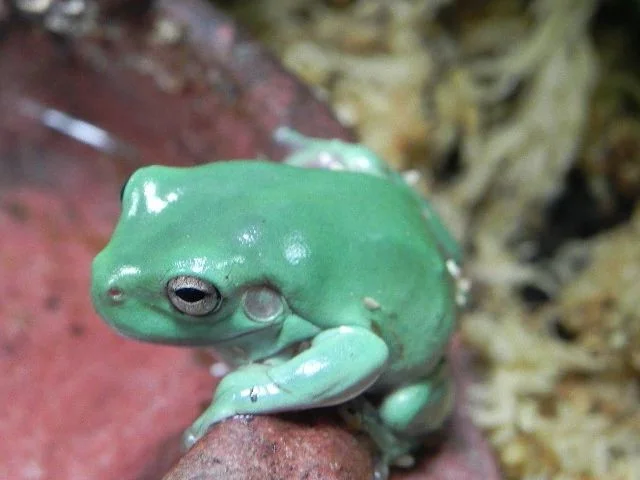
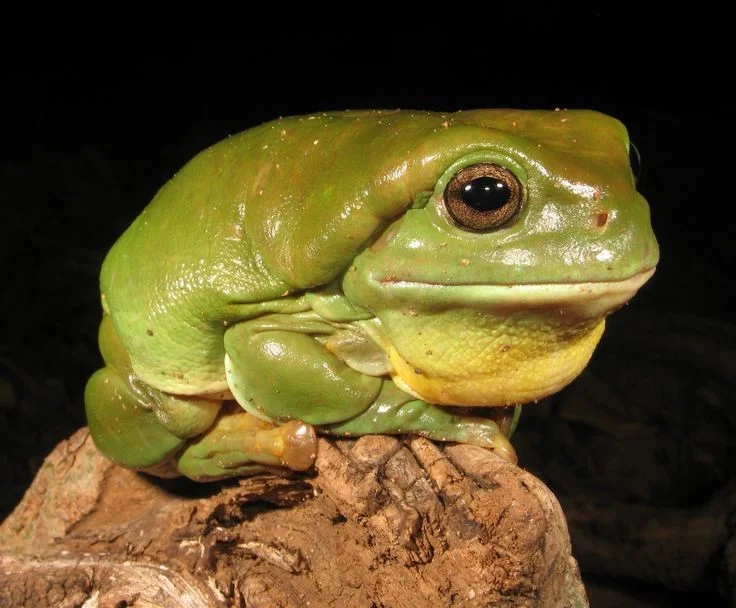
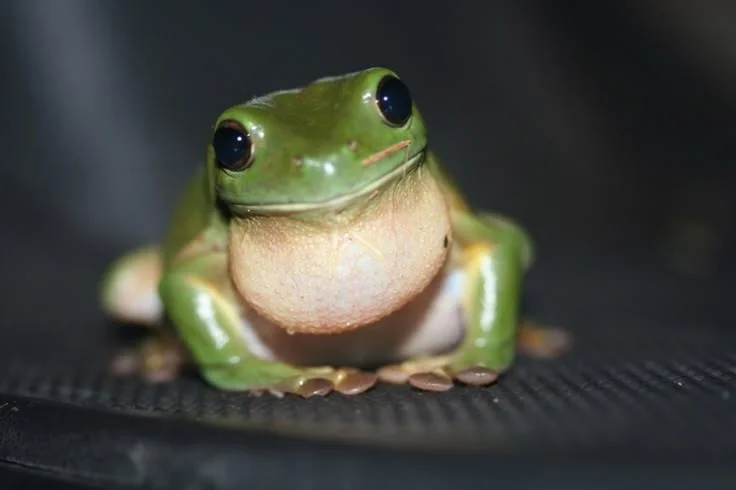
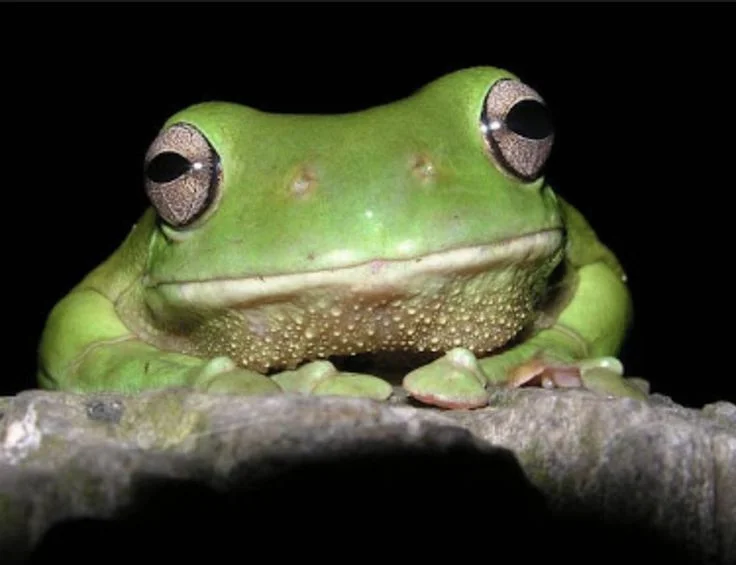
Meet the Dumpy Tree Frog: A Guide to the Iconic Australian Green Tree Frog (Litoria caerulea) and Its Unique Characteristics
Discover the fascinating world of the Australian Green Tree Frog, scientifically known as Litoria caerulea. Often affectionately referred to as the "Dumpy Tree Frog" due to its pleasantly plump and docile appearance, this amphibian has become a global icon in the world of wildlife and exotic pets. Native to Australia and New Guinea, these frogs are easily recognized by their smooth, waxy skin, which typically displays a vibrant lime-green hue but can shift to olive or brown depending on their environment and temperature.What makes the Litoria caerulea truly remarkable is its incredible biological adaptability. Unlike many other amphibians, they possess unique skin secretions with antibacterial and antiviral properties, helping them thrive in various habitats. As nocturnal creatures, they spend their nights active, showcasing impressive climbing skills thanks to the specialized suction-like pads on their toes. During the breeding season, their distinct, deep croaks echo through the night, serving as a signature sound of the Australian wilderness.
Whether you are a nature enthusiast, a herpetology fan, or looking for inspiration for your next travel adventure to the Land Down Under, the Australian Green Tree Frog is a sight to behold. Their calm temperament and sedentary lifestyle make them a favorite subject for wildlife photographers. Explore the biological wonders of this species and learn why they remain one of the most beloved frogs on the planet. With their iconic "smiling" expression and gentle nature, it is easy to see why they are celebrated worldwide.
#GreenTreeFrog , #LitoriaCaerulea , #DumpyTreeFrog , #AustralianWildlife , #ExoticAmphibians , #NaturePhotography , #WildlifeConservation , #AustralianNature
Đông Hoàng
2026-02-11 16:43:35.054211
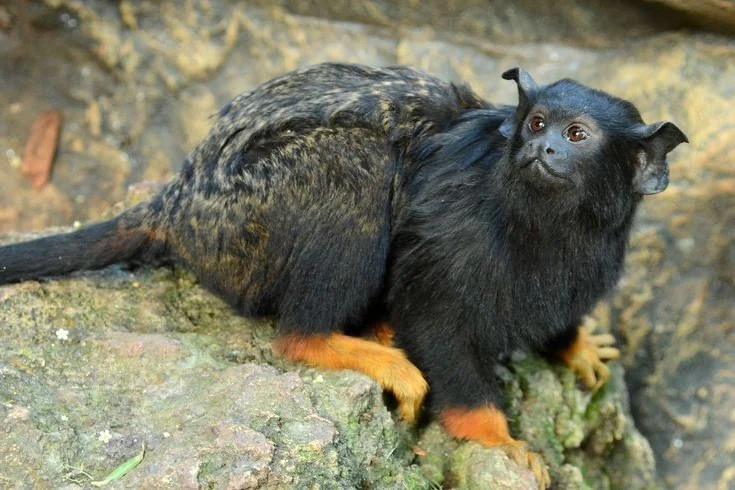
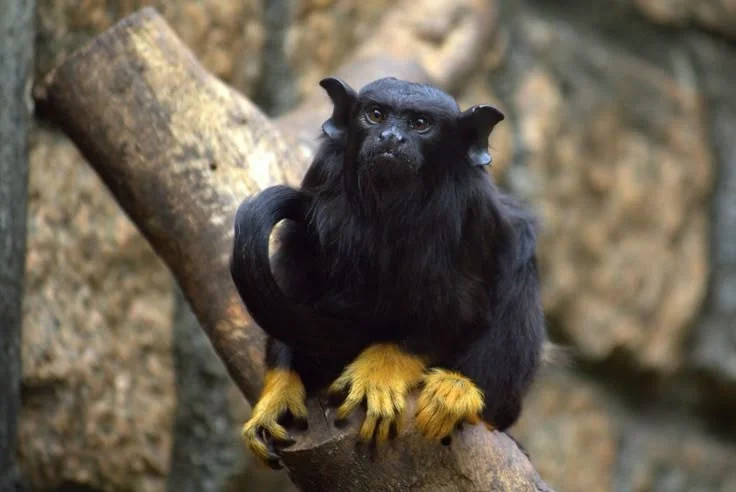
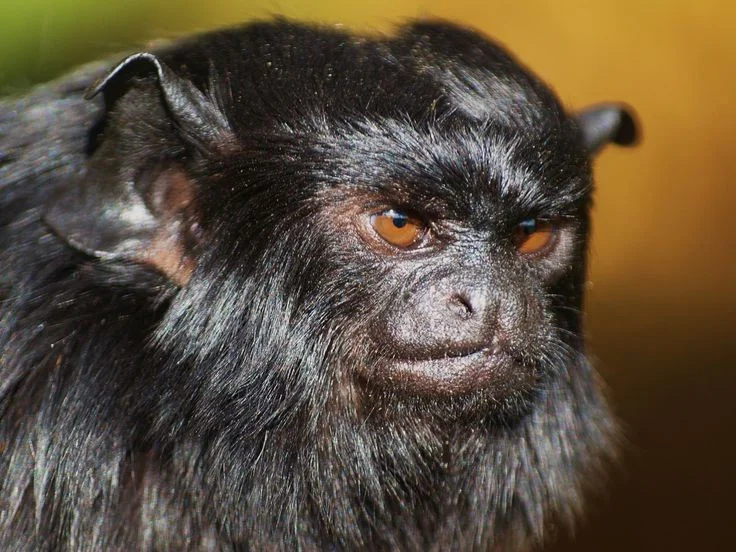
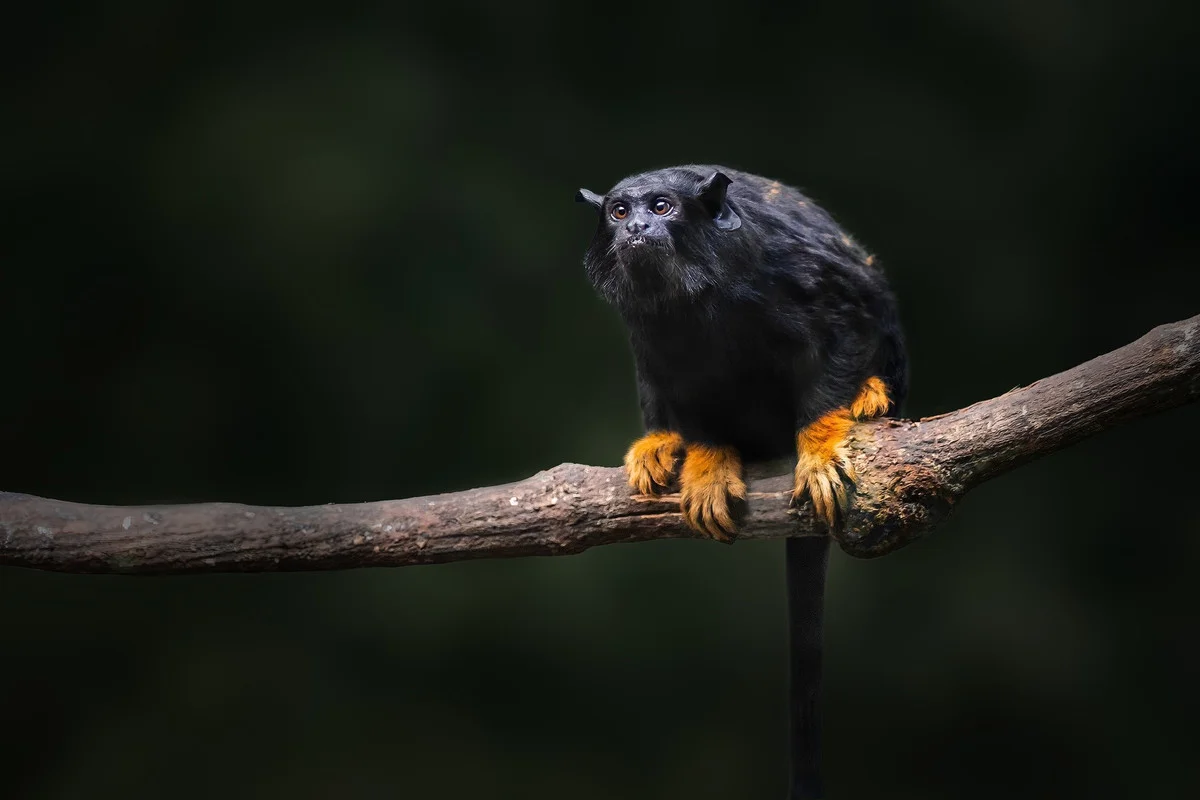
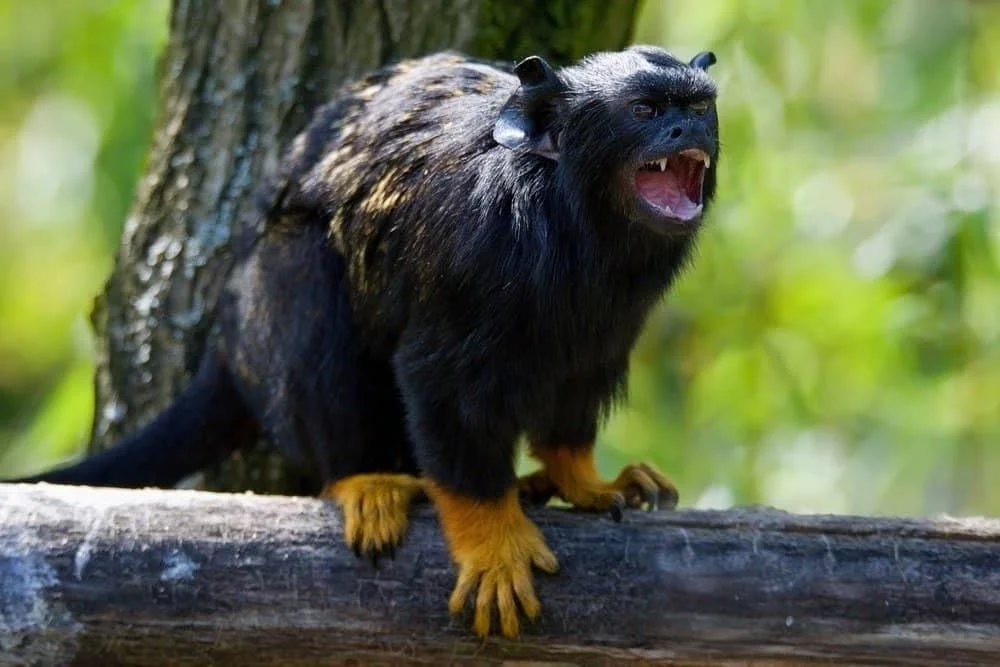
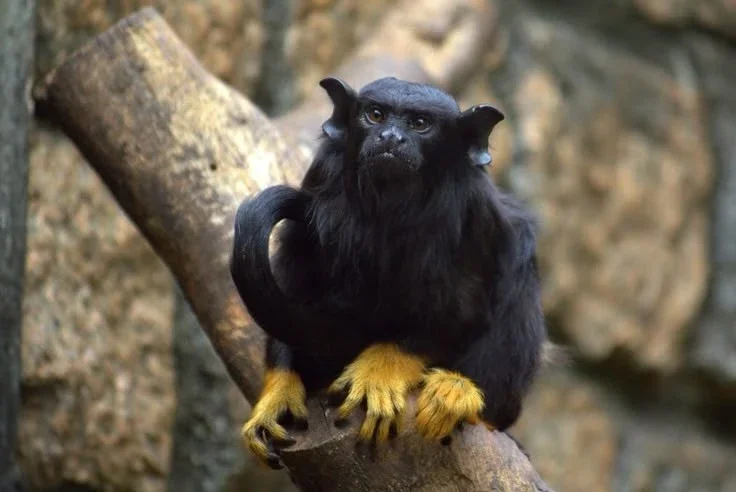
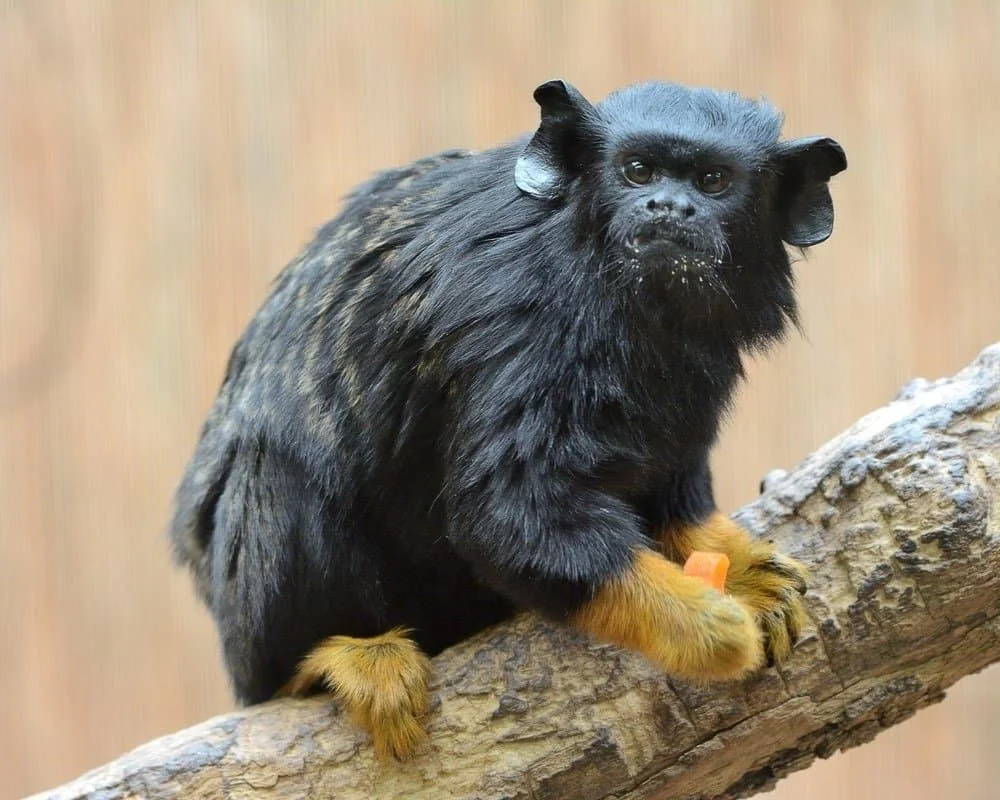
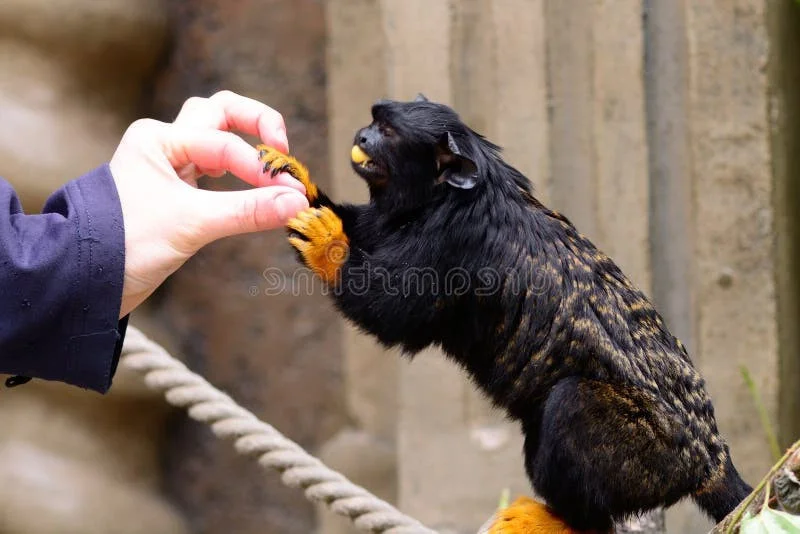
Discover the Red-Handed Tamarin (Saguinus midas): A Rare Amazonian Primate with Stunning Golden Paws and Jet Black Fur
Deep in the heart of the Amazon rainforest lives one of the most visually striking primates you’ll ever encounter: the Red-handed Tamarin, scientifically known as Saguinus midas. Often referred to as the 'Midas Tamarin' due to its legendary appearance, this small monkey features a sleek, jet-black body that contrasts sharply with its vibrant, golden-orange hands and feet. It truly looks as though its limbs have been dipped in gold, making it a standout species within the South American tropical ecosystem.These agile climbers are more than just a visual marvel; they play a vital role in their habitat. Navigating the high canopy with incredible speed and precision, Red-handed Tamarins are known for their complex social structures. They typically live in cooperative groups where they share responsibilities, including communal infant care and protection. Their communication is equally fascinating, utilizing a wide range of bird-like vocalizations and chirps to stay connected amidst the dense foliage.
With a flexible diet consisting of fruits, insects, and nectar, the Saguinus midas is highly adaptable. However, like many species in the Amazonian basin, they face increasing challenges from habitat loss and environmental changes. For wildlife enthusiasts, travel bloggers, and eco-tourists, witnessing this 'golden-clawed' wonder in its natural habitat is an unforgettable experience. Highlighting the beauty of the Red-handed Tamarin helps bring awareness to the urgent need for rainforest conservation and the protection of global biodiversity.
#RedHandedTamarin , #AmazonWildlife , #SaguinusMidas , #RainforestAnimals , #ExoticPrimates , #WildlifeConservation , #NaturePhotography
Đông Hoàng
2026-02-11 16:10:01.265010
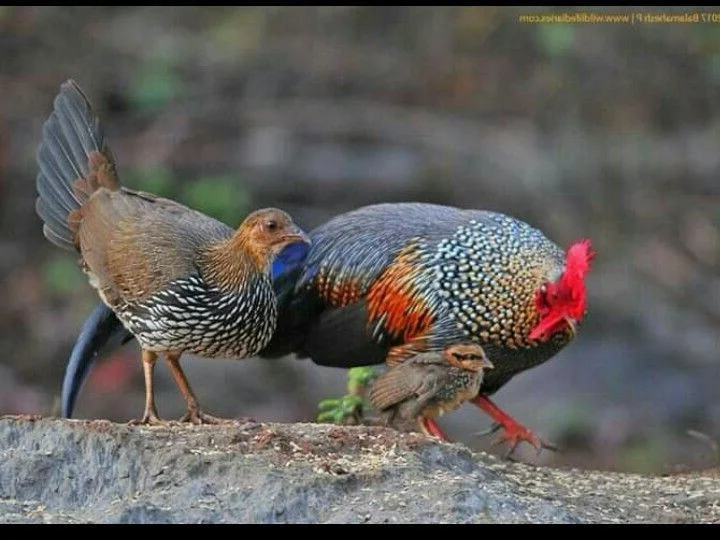
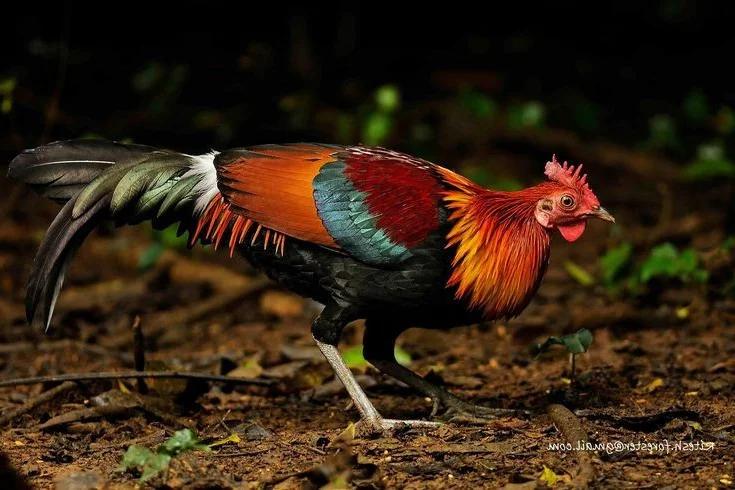
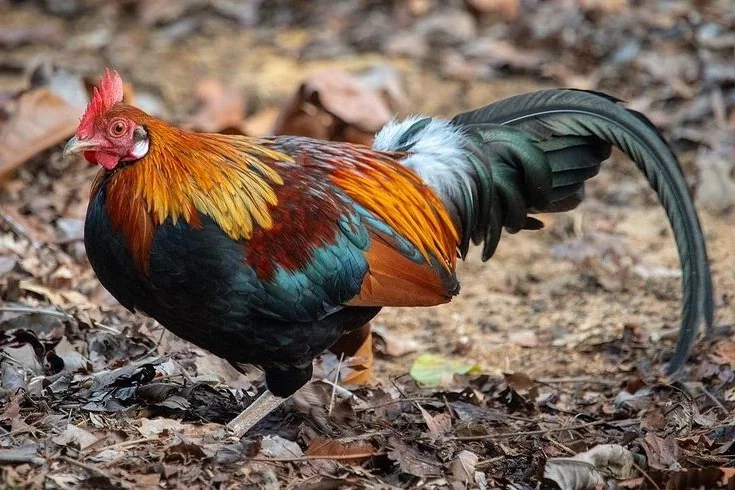
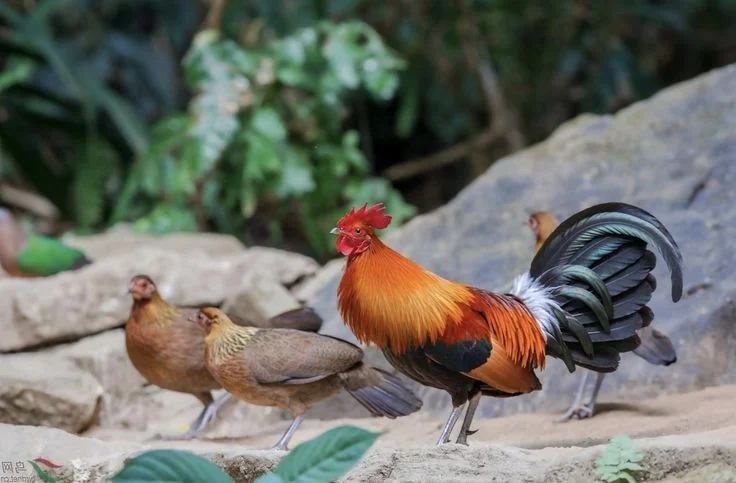
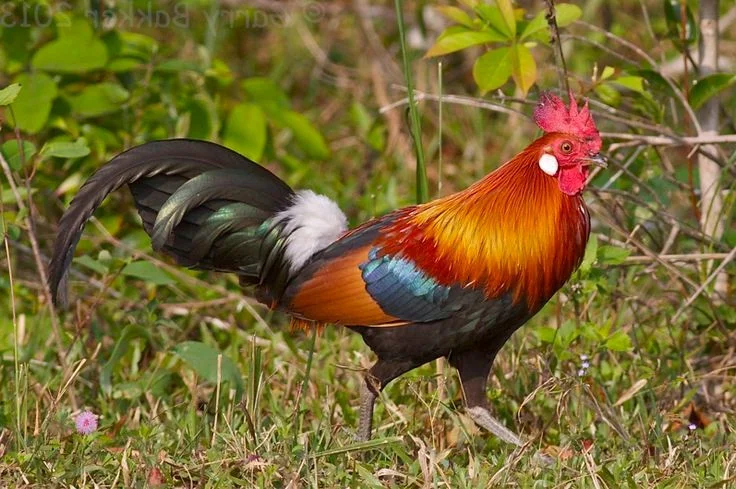
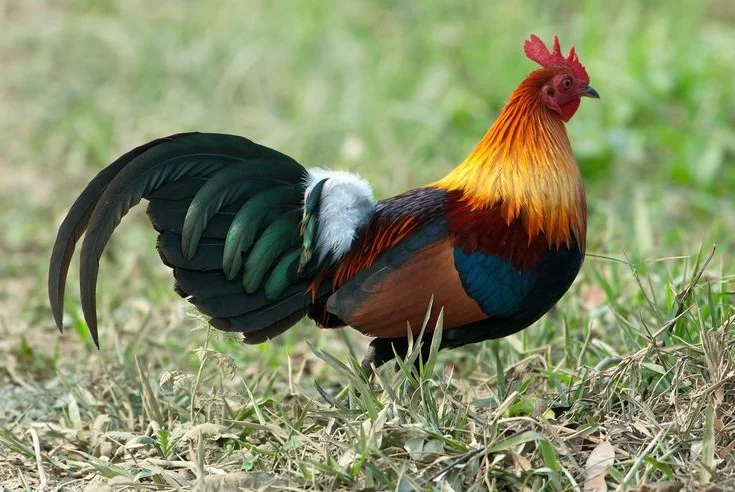
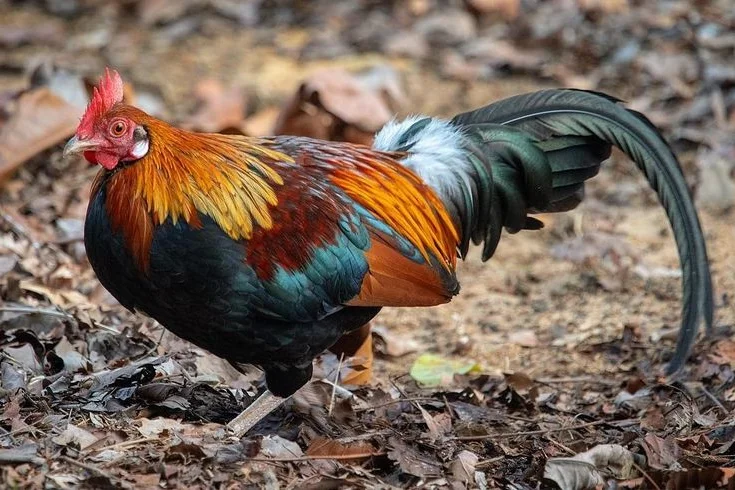
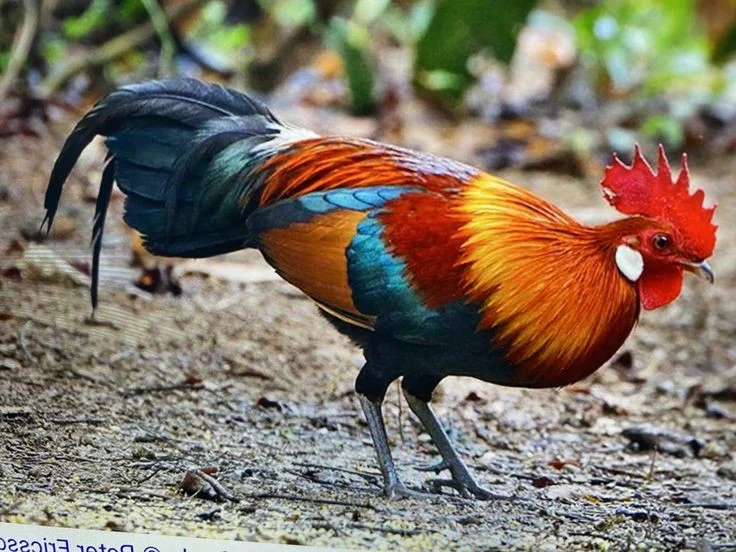
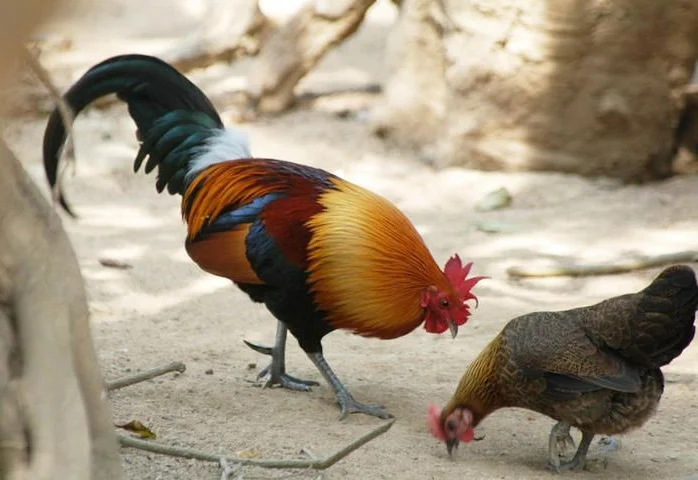
Discover the Red Junglefowl (Gallus gallus): The Stunning Wild Ancestor of Modern Domestic Chickens Found in Southeast Asia
Step into the wild and meet the Red Junglefowl (Gallus gallus), the magnificent tropical bird widely recognized as the primary ancestor of all domestic chickens. Native to the vibrant ecosystems of Southeast Asia, including the dense forests of Vietnam, this bird is a living testament to avian evolution. Unlike their farmyard descendants, wild Red Junglefowls possess a striking, multi-colored plumage, with males showcasing brilliant golden-red hackles and deep teal tail feathers that shimmer in the sunlight.Observing these birds in their natural habitat offers a unique glimpse into the origins of agriculture and animal domestication. The Red Junglefowl is highly adaptable, foraging through the forest floor for a diverse diet of seeds, fallen fruits, and insects. Their sharp, distinctive crowing is not just a morning alarm but a powerful display of territorial dominance in the wild. It is fascinating to see how their behaviors, from nesting to social hierarchies, have been passed down through generations to the birds we see on farms today.
As you explore the biodiversity of Vietnam and neighboring regions, encountering the Gallus gallus serves as a reminder of the delicate balance within our natural world. Despite their historical significance, these birds face challenges from habitat fragmentation and hunting. Protecting their environment is crucial for maintaining the genetic diversity of the species. Whether you are a birdwatching enthusiast, a nature photographer, or a travel blogger seeking the roots of domestic life, the Red Junglefowl is a captivating subject that bridges the gap between the wild and the familiar. Experience the raw beauty of nature's original design with this extraordinary species.
#RedJunglefowl , #GallusGallus , #WildBirds , #VietnamWildlife , #NaturePhotography , #ChickenAncestor , #BirdWatching , #SoutheastAsiaTravel
Đông Hoàng
2026-02-11 16:09:28.983368
Exploring Raja Ampat: Indonesia’s Surreal Paradise of Biodiversity, Pristine Limestone Islands, and the World’s Best Scuba Diving Destinations
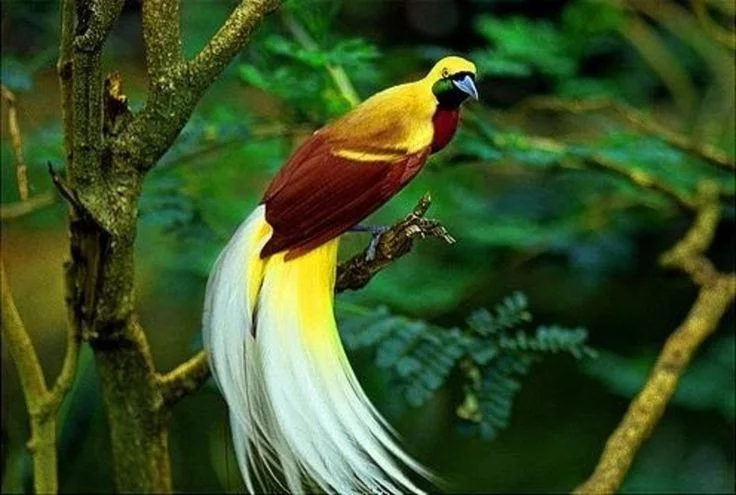
Experience the breathtaking allure of Raja Ampat, a surreal archipelago nestled in the heart of Eastern Indonesia. Known globally as a true heaven on earth, this destination offers some of the most pristine natural landscapes and the highest marine biodiversity found anywhere on the planet. Whether you are an avid scuba diver or a nature enthusiast, the vibrant coral reef ecosystems and crystal-clear turquoise waters provide an unparalleled adventure into the wild.The unique limestone island formations, often referred to as karsts, create a labyrinth of hidden lagoons and secret beaches that look like a scene from a dream. Beyond the water, Raja Ampat is home to rare and endemic bird species, including the magnificent Birds of Paradise, making it a bucket-list destination for wildlife photography. As a global leader in marine conservation, the region emphasizes sustainable tourism and the protection of its delicate ecosystems against the challenges of climate change.
Visiting Raja Ampat is more than just a vacation; it is an immersion into a rich local culture and a testament to the beauty of untouched wilderness. From exploring world-class diving spots to witnessing the sunrise over the iconic Wayag or Piaynemo viewpoints, every moment here captures the essence of a tropical sanctuary. Plan your journey to this remote paradise and discover why Raja Ampat remains the crown jewel of the Coral Triangle. For more details on this incredible destination, please refer to the travel guide associated with code c6cfb5e1-3c13-4c98-9695-46e3829c74d9.
#RajaAmpat , #VisitIndonesia , #MarineBiodiversity , #ScubaDivingAdventure , #SustainableTravel , #IslandParadise , #NaturePhotography , #TravelBucketList








Đông Hoàng
2026-02-11 16:02:47.544263
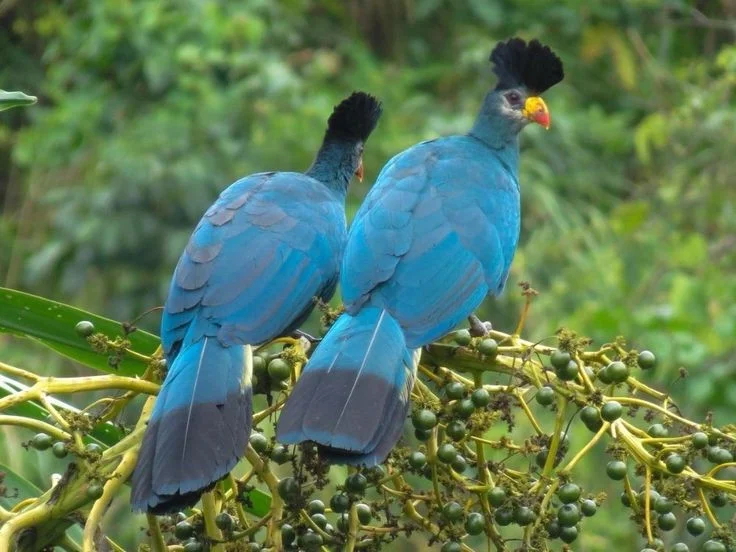
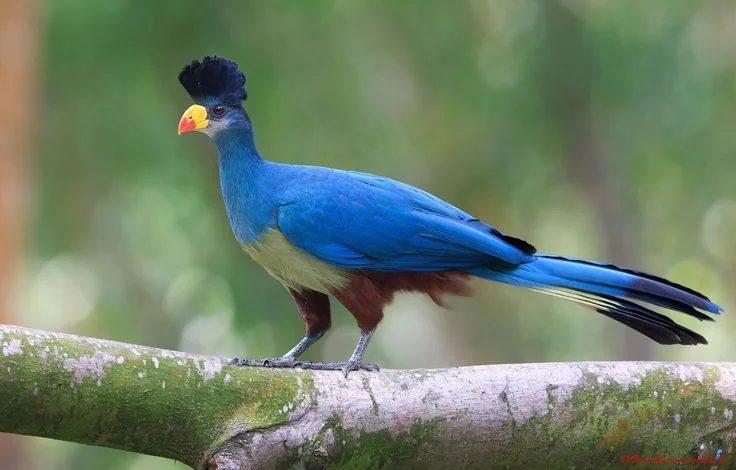
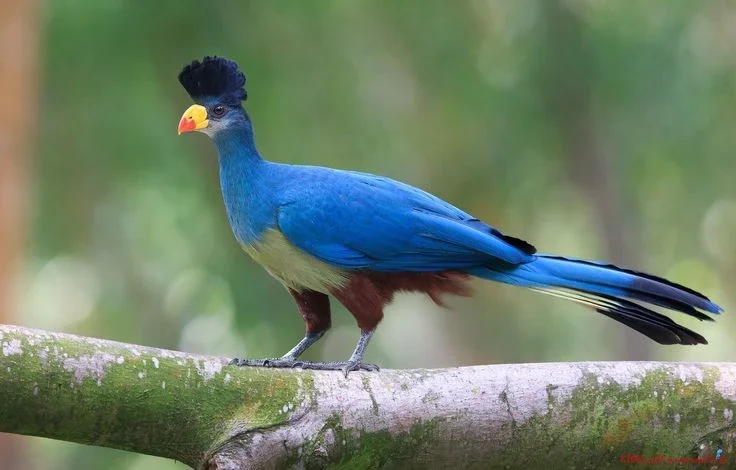
Discover the Stunning Great Blue Turaco: Africa's Largest and Most Vibrant Tropical Forest Bird (Corythaeola cristata)
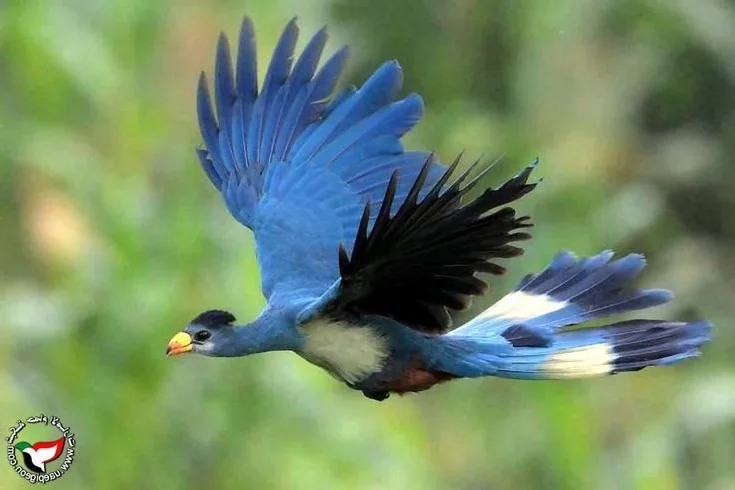
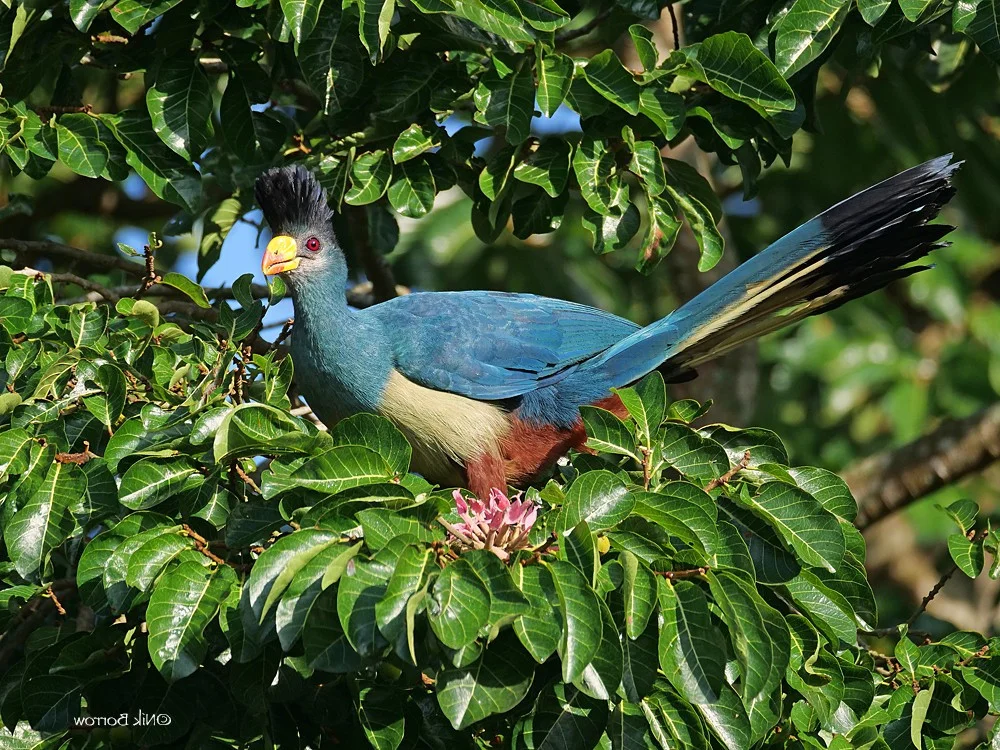
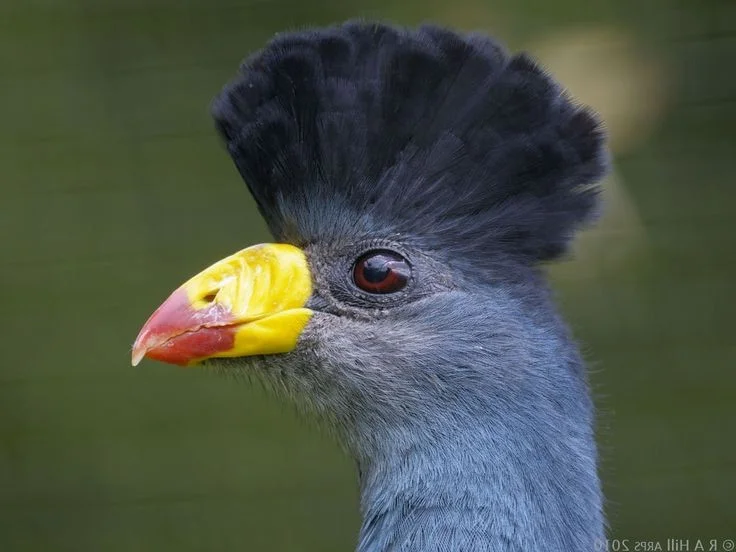
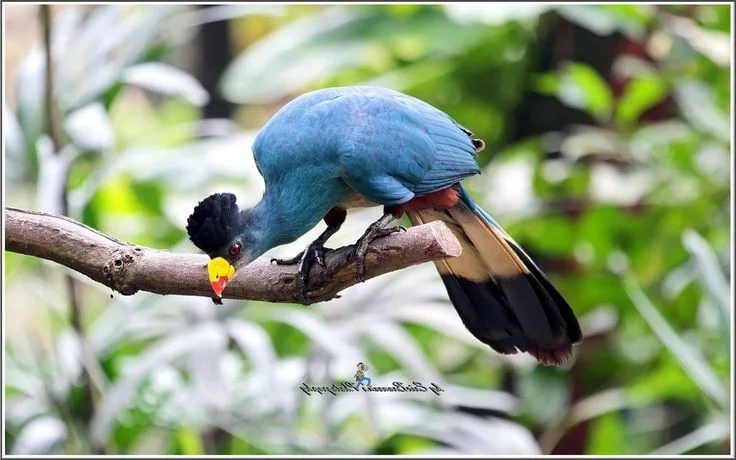
Meet the Great Blue Turaco (Corythaeola cristata), a true masterpiece of nature and the largest member of the turaco family. Found deep within the lush tropical rainforests of West and Central Africa, this magnificent bird is celebrated for its striking electric blue plumage and iconic black crest. Its vibrant appearance is complemented by a bright yellow and red beak, making it one of the most visually stunning avian species on the planet.Beyond its beauty, the Great Blue Turaco plays a critical role in its ecosystem. As a primary fruit-eater, it serves as a vital seed disperser, helping to maintain the rich biodiversity of the African jungle. These birds are not just a sight to behold but also a sound to remember; their deep, resonant calls can be heard echoing through the forest canopy from great distances.
Whether you are a professional wildlife photographer or a nature lover, the Great Blue Turaco represents the wild, untamed spirit of the African wilderness. Its unique feather structure reflects light in a way that creates a shimmering effect, perfect for high-quality nature captures. Learn more about its fascinating biological traits and why this bird is a top priority for conservationists and birdwatchers worldwide. Explore the wonders of African wildlife through the lens of this remarkable species, identified in our collection with reference code 1c8a9c6b-9b6b-4b78-a343-602f6e26d001.
#GreatBlueTuraco , #AfricanWildlife , #ExoticBirds , #NaturePhotography , #TropicalRainforest , #BirdWatching , #WildlifeConservation
Đông Hoàng
2026-02-11 16:00:19.164851
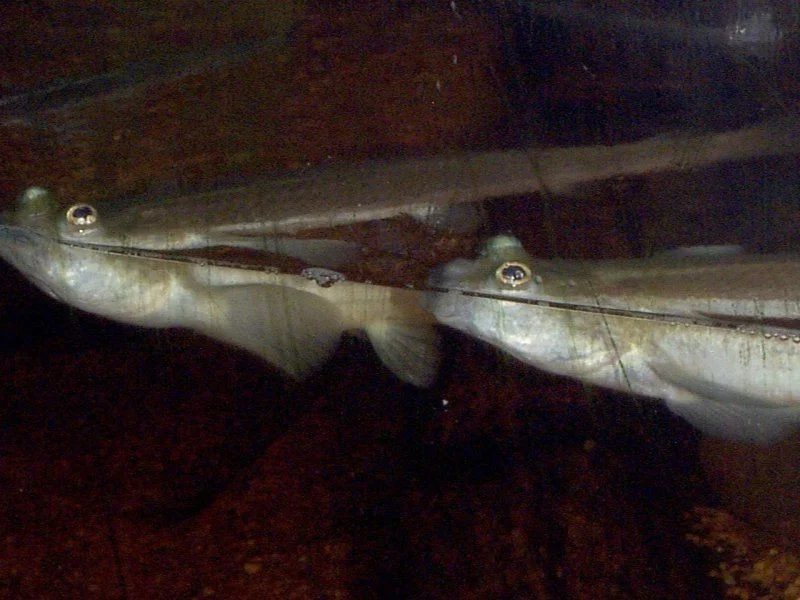
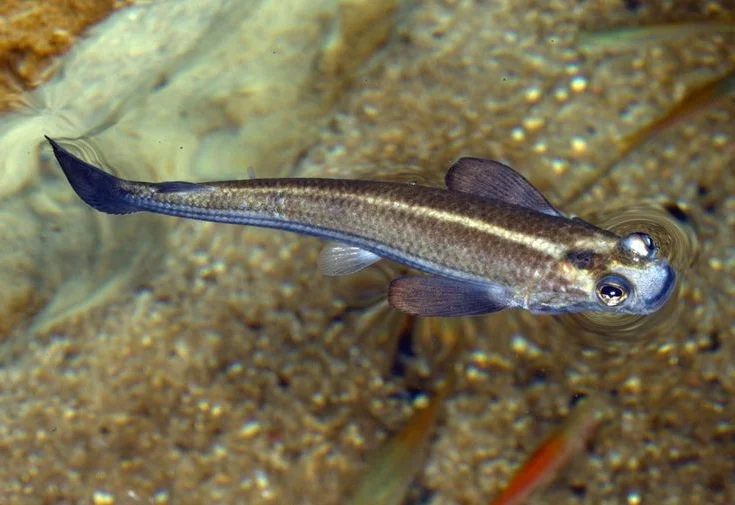
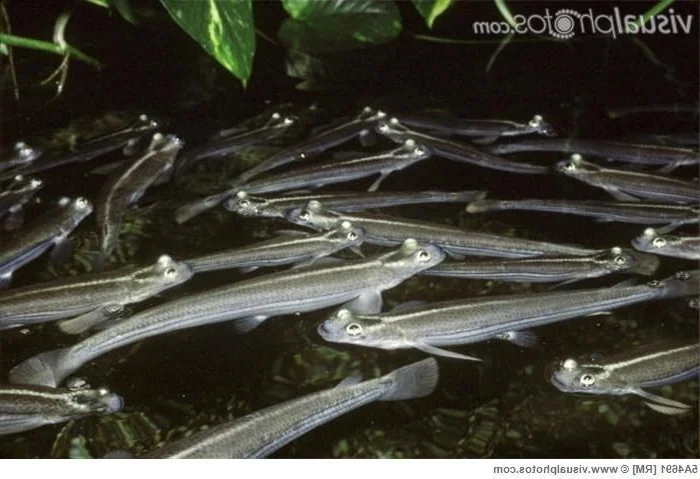
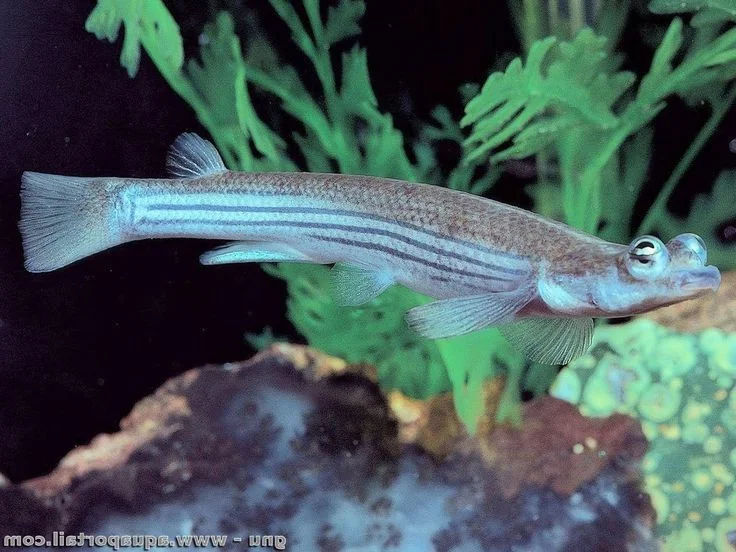
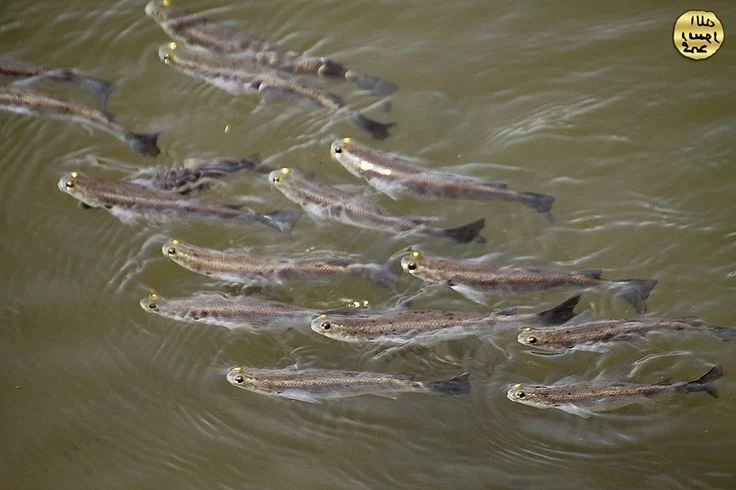
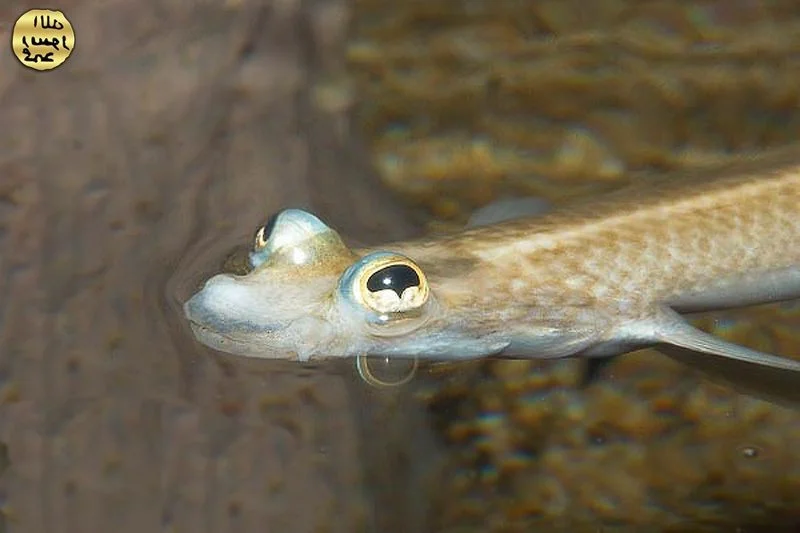
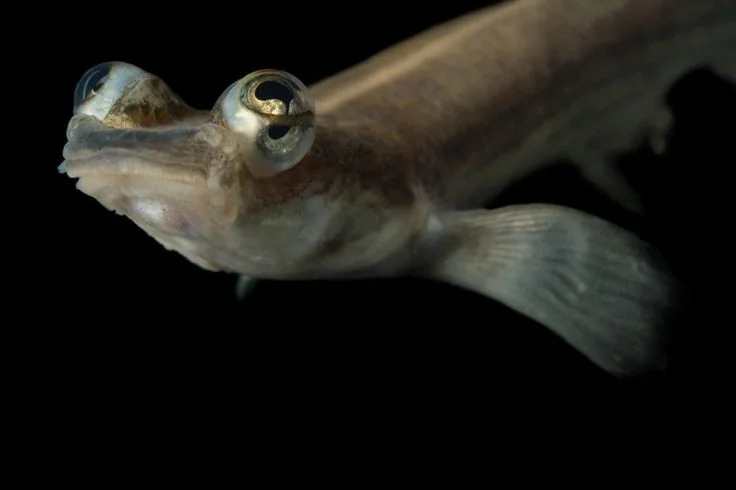
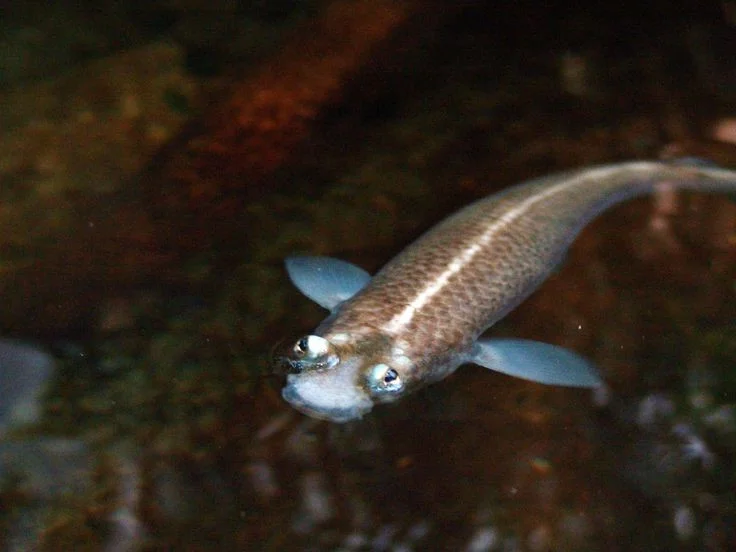
Discover the Incredible Four-Eyed Fish: Nature’s Unique Marvel That Sees Above and Below Water Simultaneously
Nature never ceases to amaze us with its incredible evolutionary designs, and the Four-Eyed Fish (Anableps anableps) is a prime example of biological ingenuity. Found primarily in the tropical waters of Central and South America, this unique creature possesses a vision system unlike any other in the animal kingdom. Despite its common name, the fish actually has two physical eyes, but each is horizontally divided by a thin band of tissue. This specialized structure allows the fish to float at the water's surface and see clearly both above and below the waterline at the same time.This dual-vision capability is a vital survival mechanism for the species. By keeping the upper half of its eyes focused on the sky to watch for predatory birds and the lower half submerged to hunt for insects, small crustaceans, and other prey, the Four-Eyed Fish masters its brackish water environment with ease. It remains a fascinating subject for researchers studying evolutionary biology and visual adaptation. Beyond its vision, these fish are also known for being live-bearers, adding another layer of complexity to their reproductive life cycle.
Whether you are a marine biology enthusiast, a nature photographer, or simply curious about the world’s most unusual animals, the Anableps anableps is a true wonder of the natural world. This specific profile, cataloged under reference 61f6e582-c4e7-409b-8142-c749371e443f, highlights the remarkable ability of species to adapt to their surroundings in ways that seem almost supernatural. Explore the beauty of aquatic evolution and learn how this small fish manages to navigate two different worlds simultaneously.
#FourEyedFish , #MarineBiology , #NaturePhotography , #EvolutionaryBiology , #AquaticLife , #AnablepsAnableps , #WildlifeDiscovery , #TropicalFish
Đông Hoàng
2026-02-11 15:46:15.706117
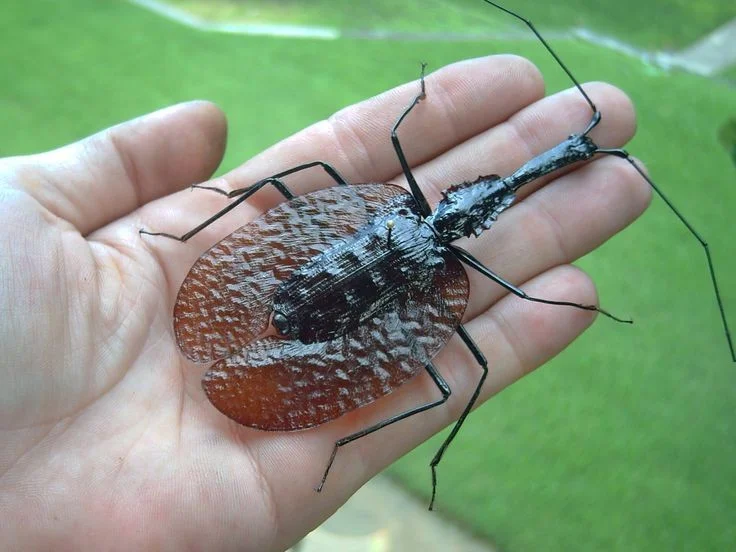
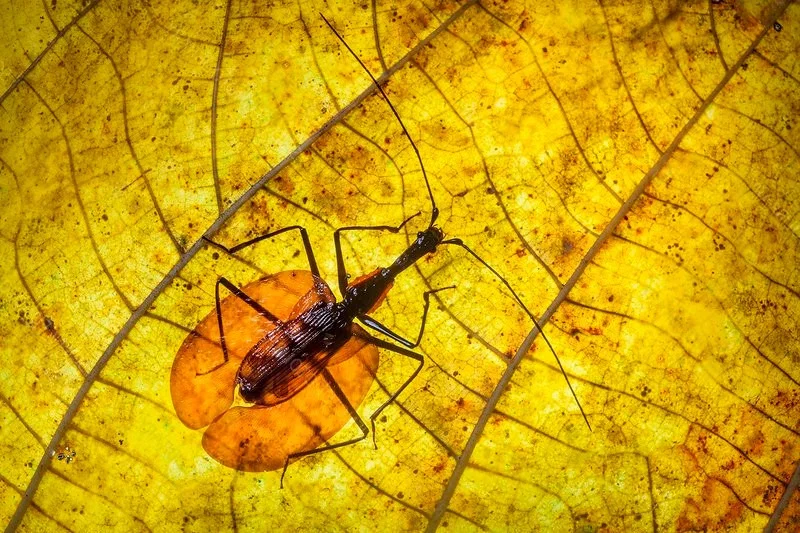
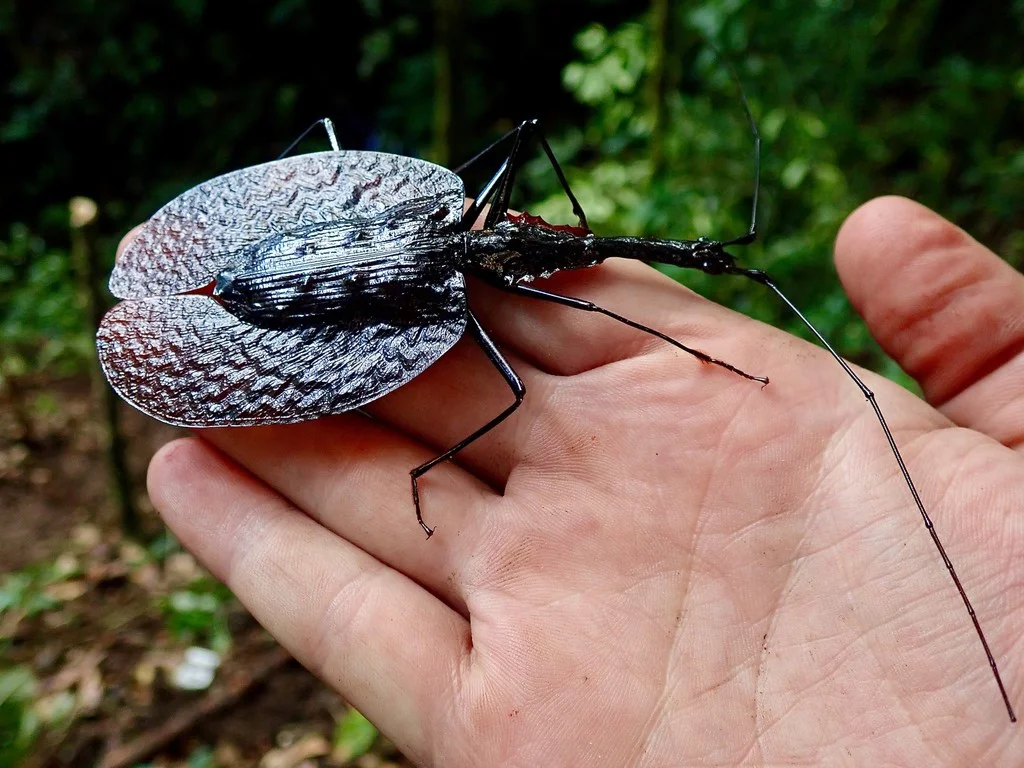
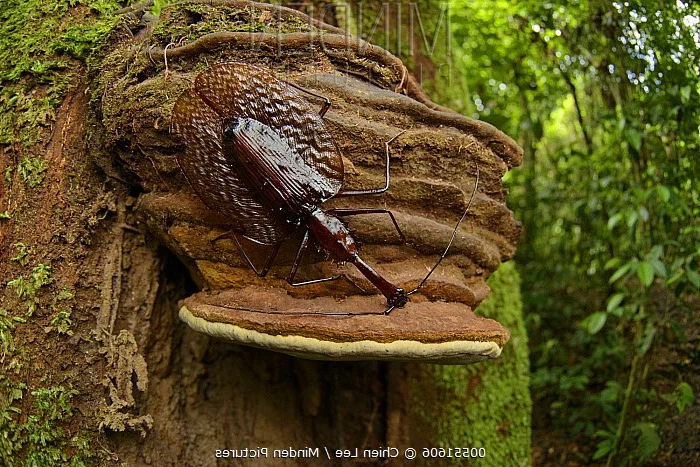
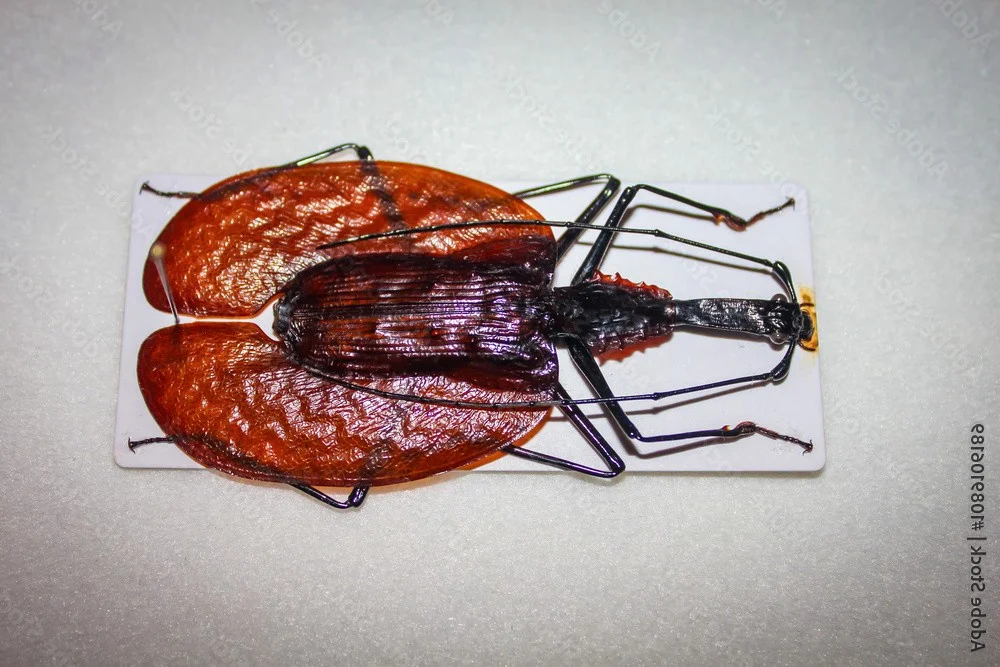
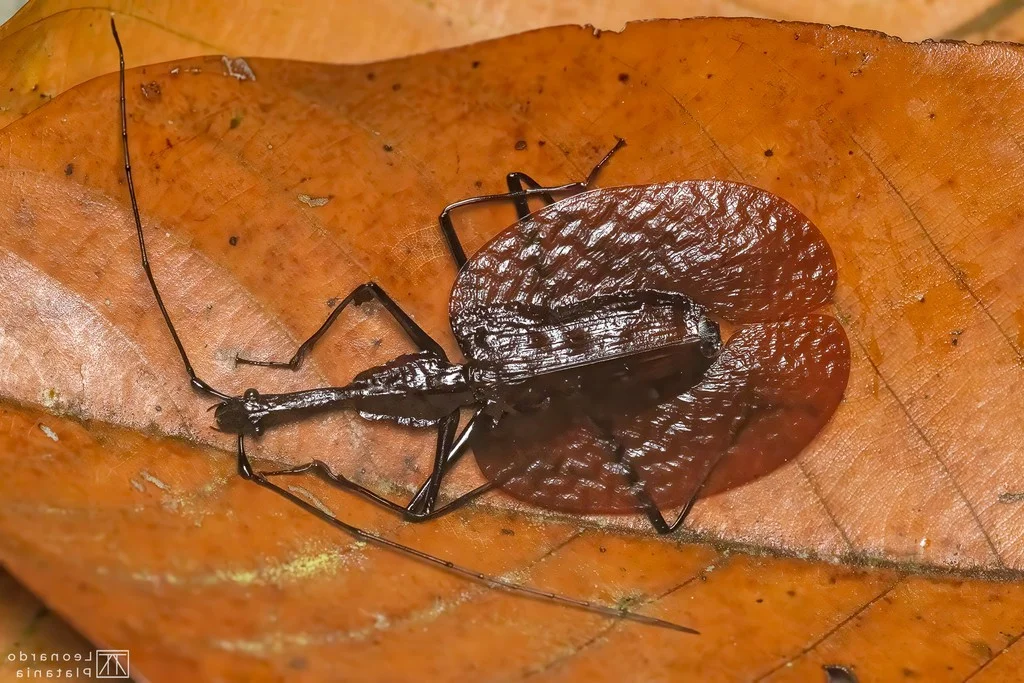
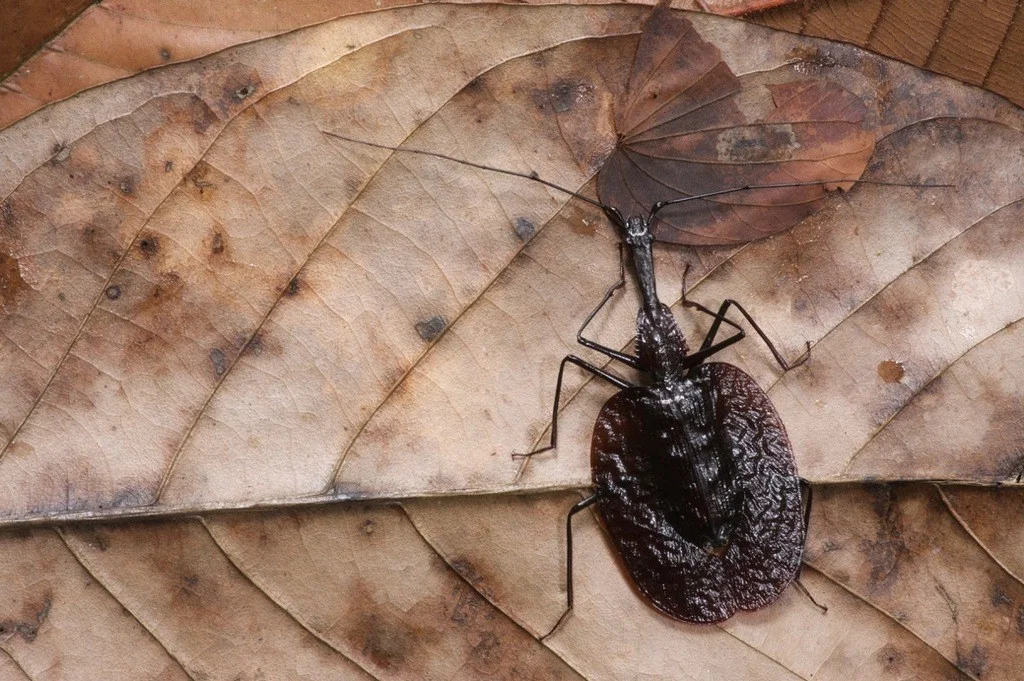
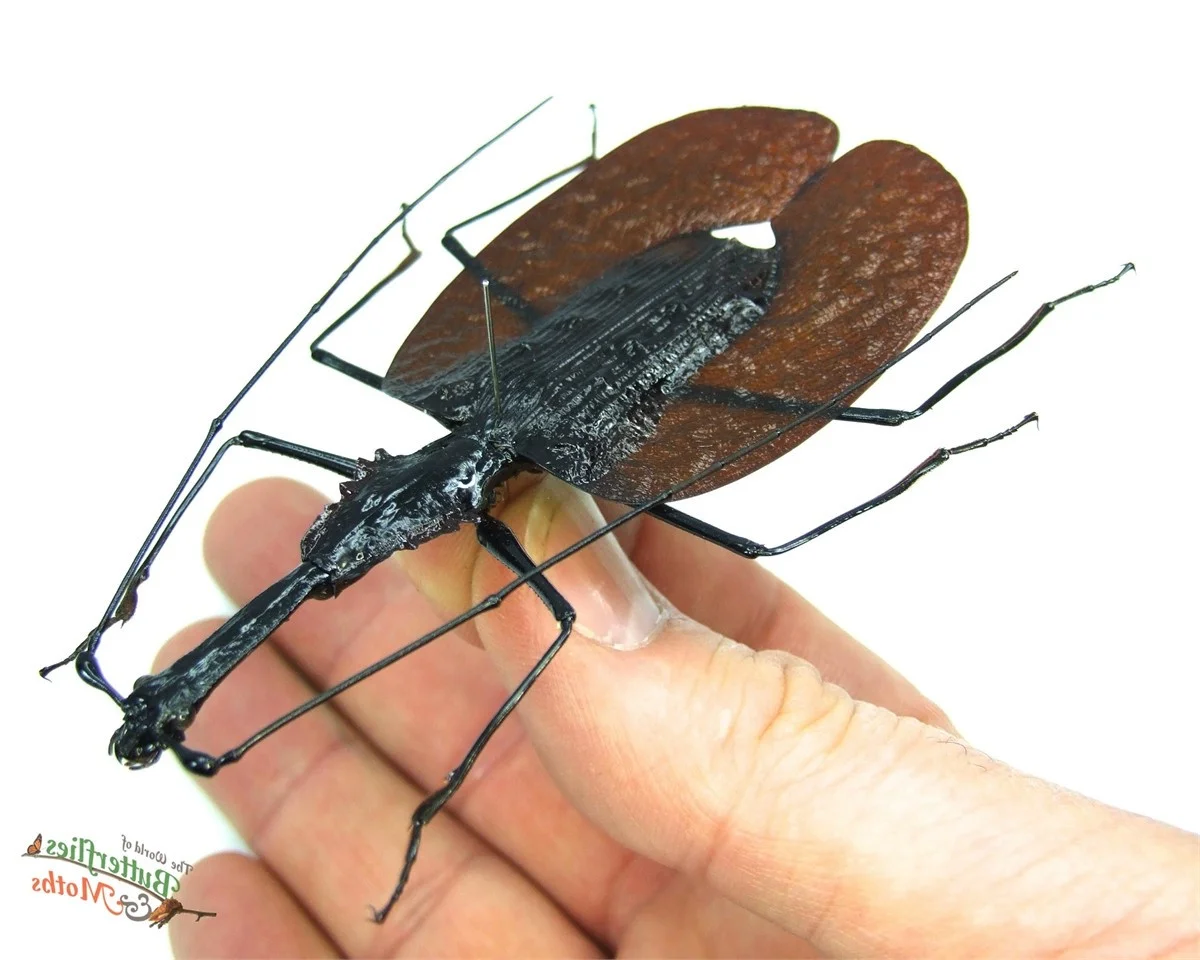
Discover the Rare Violin Beetle (Mormolyce phyllodes): A Master of Camouflage in the Rainforests of Southeast Asia
Nature never ceases to amaze us with its bizarre and beautiful designs, and the Violin Beetle, scientifically known as Mormolyce phyllodes, is a perfect example of evolution at its finest. Found deep within the tropical rainforests of Southeast Asia, including regions like Malaysia and Indonesia, this beetle is famous for its incredibly flat, translucent body that mimics the shape of a miniature violin or a dried leaf. This unique morphology isn't just for show; it serves as the ultimate camouflage, allowing the insect to blend seamlessly into tree bark and fungi while hiding from predators.Growing up to 10 centimeters in length, the Violin Beetle is a fascinating subject for entomologists and macro photographers alike. Despite its wide wing covers, its ability to fly is quite limited, making it a ground-dwelling specialist. These nocturnal predators spend their nights hunting for small larvae and insects, using their elongated heads to reach into tight crevices. Their presence is a sign of a healthy, biodiverse forest ecosystem.
For travelers and nature enthusiasts exploring the wilds of Asia, spotting a Mormolyce phyllodes in its natural habitat is a rare and rewarding experience. However, due to its striking appearance, the species faces threats from over-collection and habitat loss. Understanding and protecting these incredible creatures is vital for preserving the natural heritage of our planet. Whether you are a fan of rare wildlife or simply love the wonders of the natural world, the Violin Beetle stands as a testament to the diverse and strange beauty found in our jungles.
#ViolinBeetle , #MormolycePhyllodes , #RareInsects , #NaturePhotography , #SoutheastAsiaWildlife , #Entomology , #RainforestCreatures , #MacroWorld
Đông Hoàng
2026-02-11 15:33:09.313522
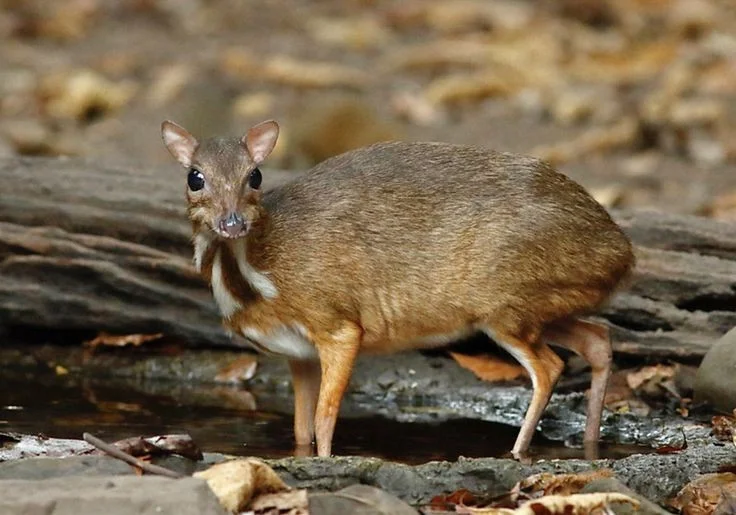
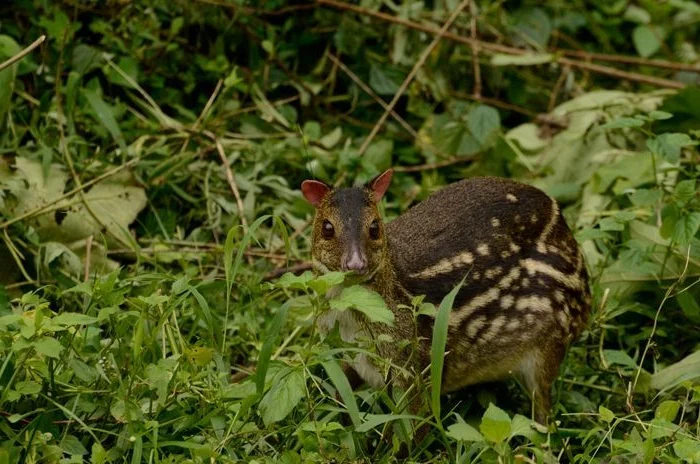
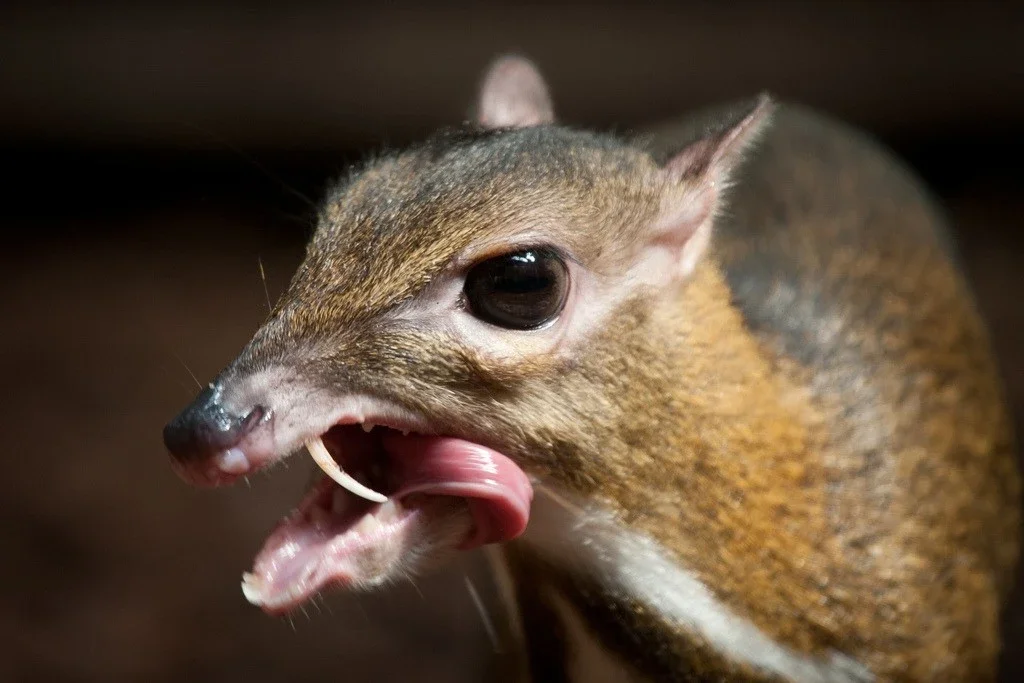
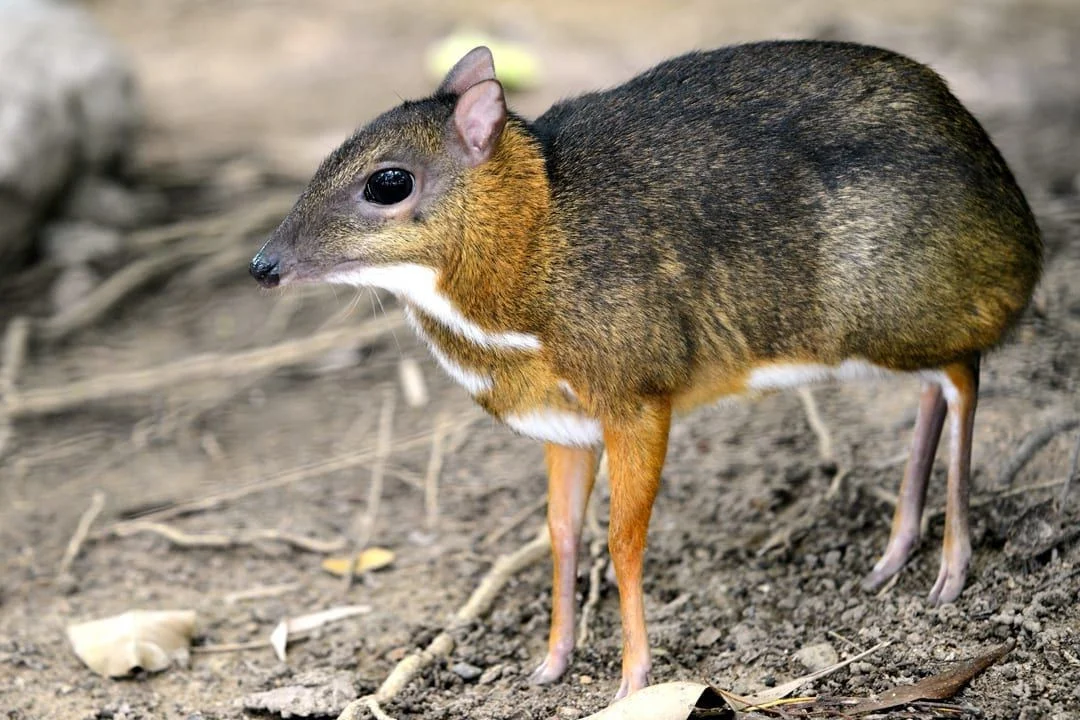
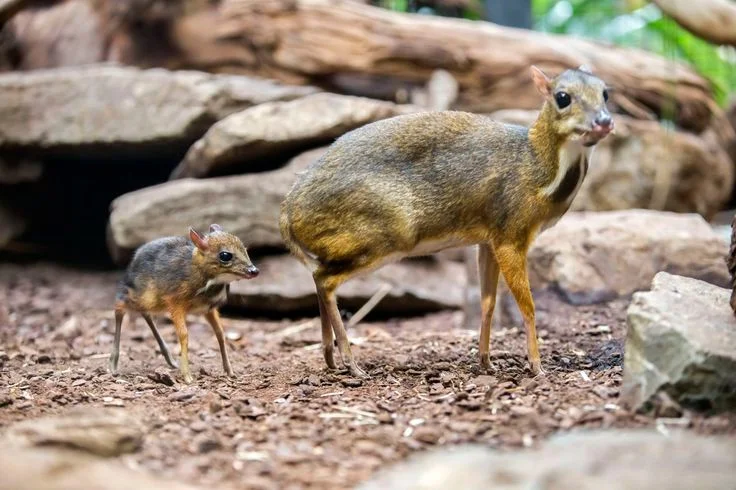
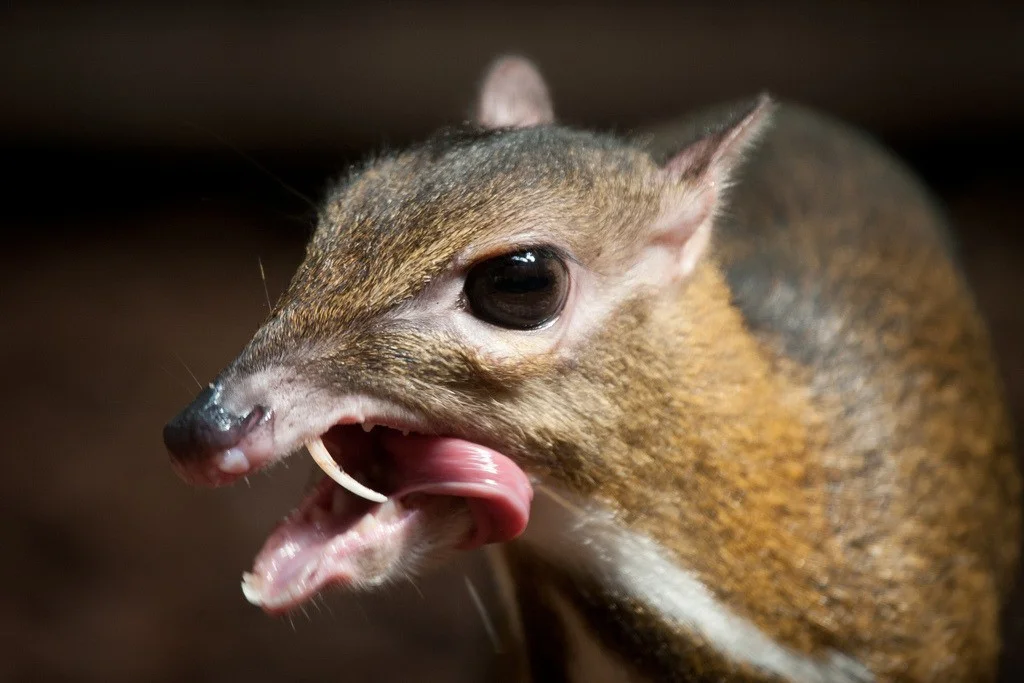
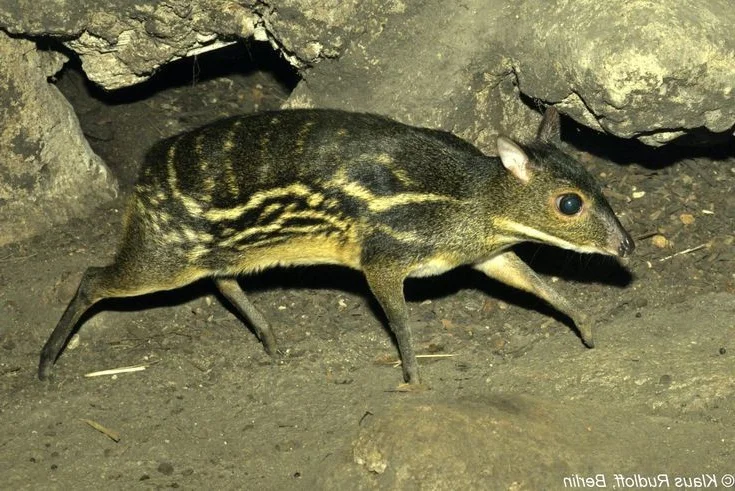
Discover the Mysterious Mouse-Deer of Vietnam: The World's Smallest Fanged Ungulate and Living Fossil
Deep within the lush, tropical rainforests of Vietnam lives one of the most intriguing and primitive creatures on Earth: the mouse-deer, scientifically known as the chevrotain. Despite its common name, this tiny animal is neither a mouse nor a true deer, but rather a member of the Tragulidae family—an ancient lineage of hoofed mammals that has remained largely unchanged for millions of years. This fascinating 'living fossil' is famous for its diminutive size, with some species being no larger than a rabbit, and its most striking physical feature: long, sharp canine fangs used by males during territorial disputes.The Lesser Oriental Chevrotain is a master of stealth, moving silently through the dense undergrowth to evade predators. Because they lack the antlers found in true deer, these creatures rely on their incredible agility and sharp tusks for survival. Found across Southeast Asia, and particularly abundant in certain regions of Vietnam, these shy, nocturnal animals play a vital role in the forest ecosystem. However, they face increasing threats from habitat loss and human encroachment.
Understanding the biology and habitat of the chevrotain, referenced here under record 6214b2a7-7e8e-48c4-bf71-d7de307c250b, is essential for wildlife enthusiasts and conservationists alike. Whether you are a travel blogger exploring Vietnam’s rich biodiversity or a nature lover fascinated by rare wildlife, the mouse-deer offers a unique glimpse into a prehistoric world. Protecting these tiny ungulates ensures that the natural heritage of the region remains intact for future generations. Explore the wonders of nature’s smallest hoofed mammals and learn why their conservation is more important than ever.
#MouseDeer , #VietnamWildlife , #RareAnimals , #NatureConservation , #Chevrotain , #WildlifePhotography , #LivingFossil , #SoutheastAsiaNature
Đông Hoàng
2026-02-11 14:29:01.615046
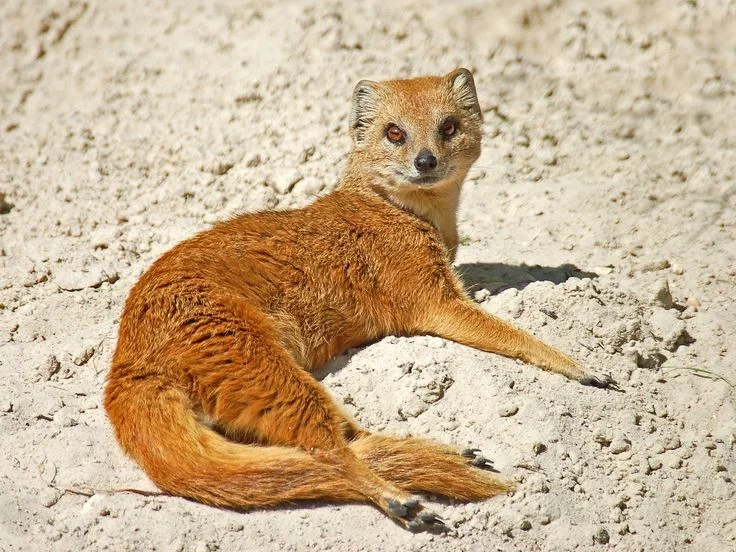
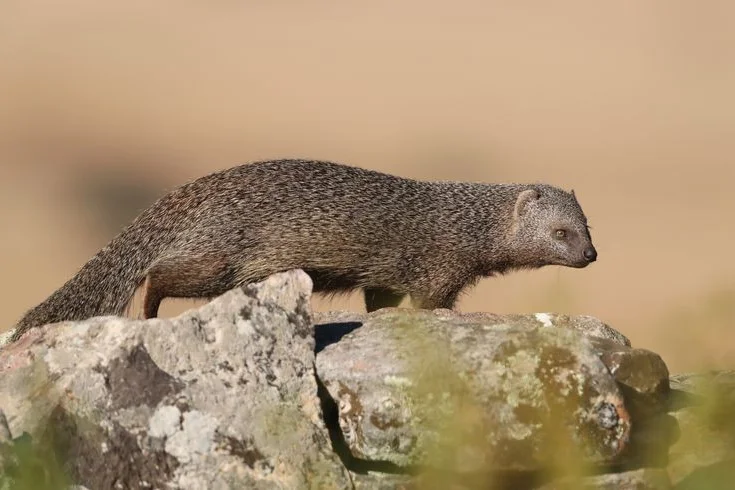
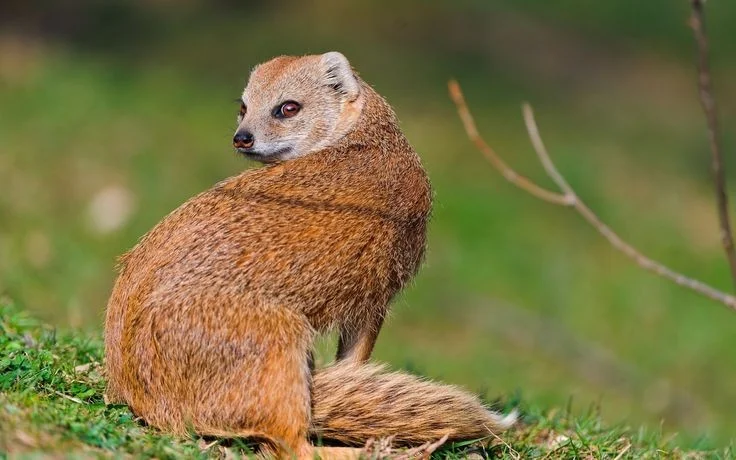
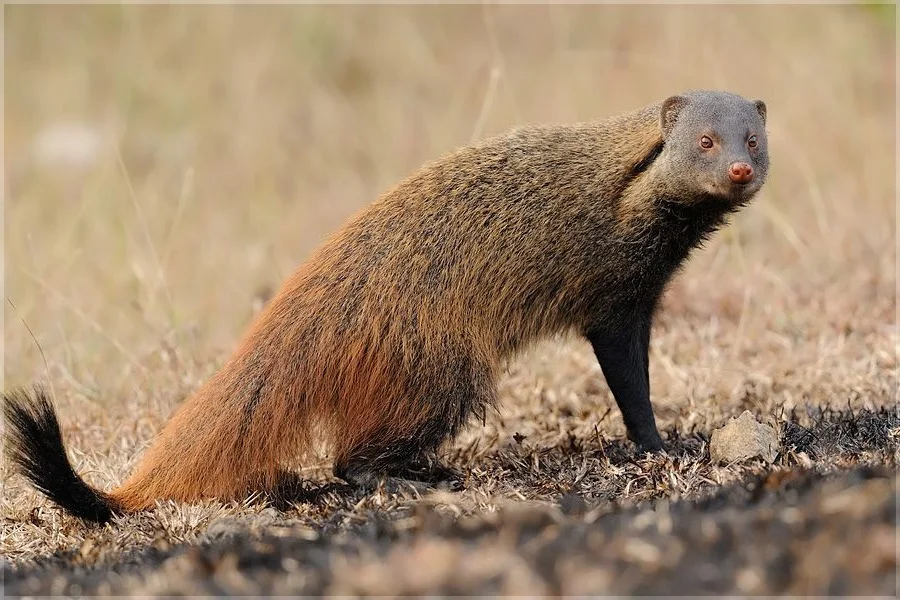
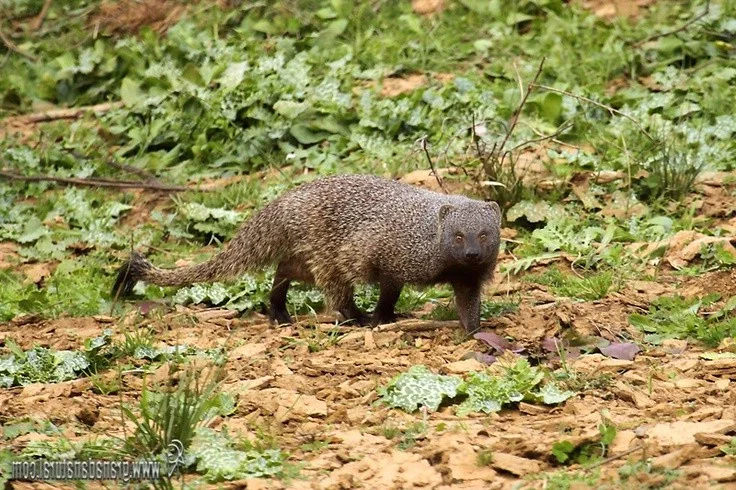
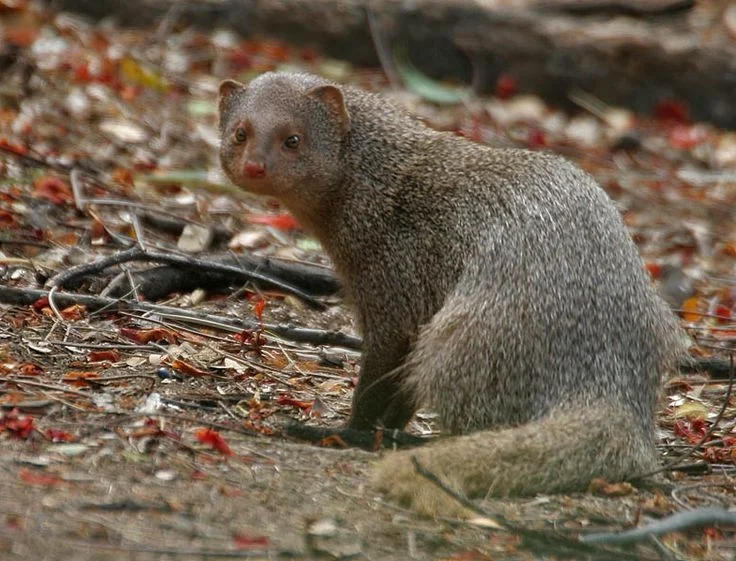
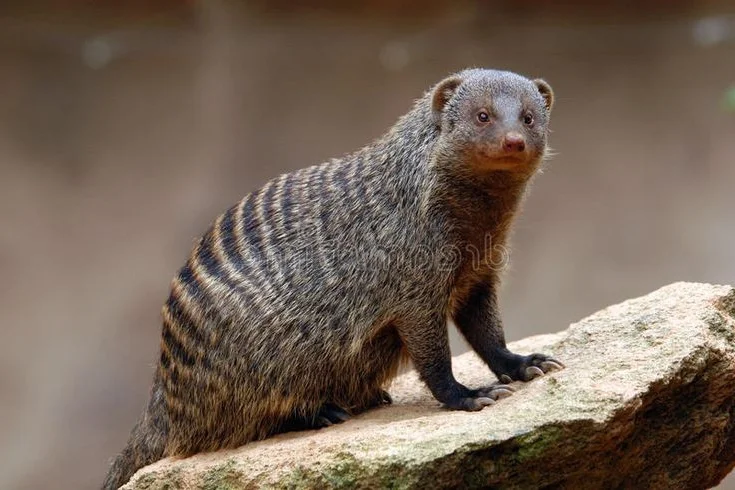
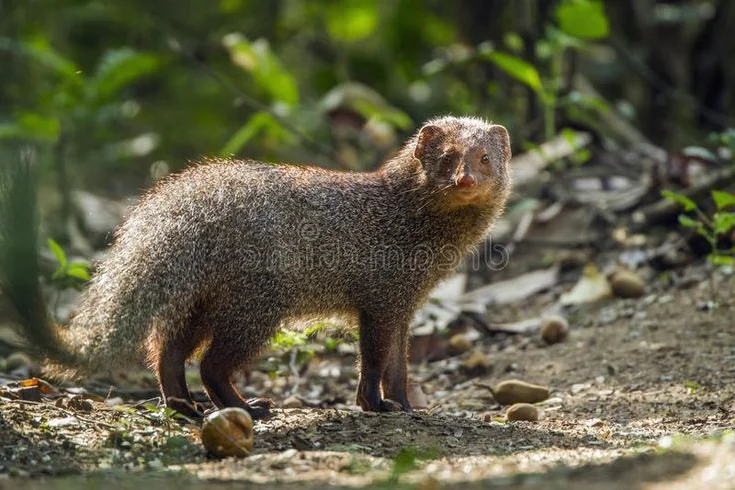
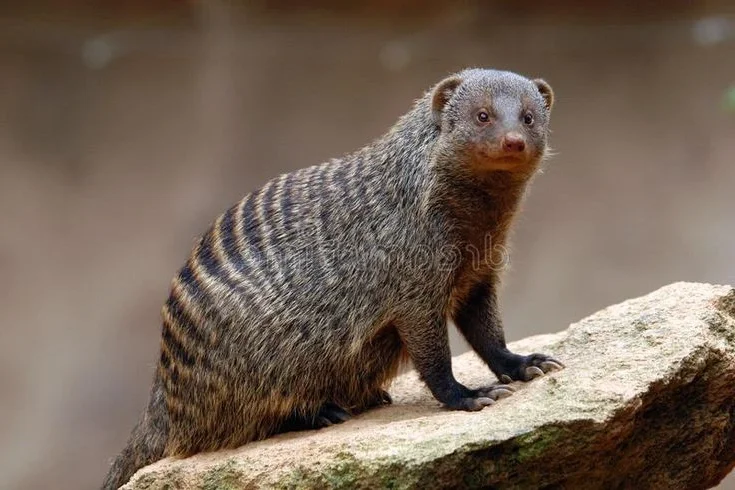
The Incredible Mongoose: Exploring the Fearless Fighting Skills and Unique Survival Instincts of the Herpestidae Family
Meet the mongoose, a fascinating member of the Herpestidae family that proves size isn't everything in the wild. Often celebrated for their incredible agility and lightning-fast reflexes, these small carnivores are among nature's most skilled and intelligent survivalists. From the plains of Africa to the dense forests of Asia, the mongoose has earned a legendary reputation for its fearless fighting style, most notably its legendary ability to take on highly venomous snakes like cobras.What makes the mongoose truly unique is its specialized acetylcholine receptors, which provide a natural resistance to certain types of snake venom. This biological advantage, combined with tactical intelligence, allows them to outmaneuver predators much larger than themselves. Beyond their combat prowess, mongooses are highly social animals that rely on group cooperation for hunting, pup-rearing, and protection. They communicate through a complex system of vocalizations and scent marking, showcasing a level of social sophistication rarely seen in small carnivores.
Whether they are foraging for a diverse diet of insects, rodents, and birds, or working together to guard their burrows, the mongoose plays a vital role in controlling pest populations within their ecosystem. Their presence in global folklore and modern nature documentaries continues to fascinate wildlife enthusiasts worldwide. Explore the fascinating world of these lanh lợi (agile) creatures and discover how they dominate their environment through speed, strategy, and sheer bravery. This deep dive into their unique lifestyle highlights why the Herpestidae family remains a true marvel of the natural world.
#MongooseWildlife , #NatureDocumentary , #Herpestidae , #WildAnimals , #SnakeHunter , #WildlifePhotography , #AnimalFacts , #SurvivalSkills
Stories
-
Creat Your Story
time to story
-

Anna Mull
1 hour ago
-

Ira Membrit
4 hour ago
-

Bob Frapples
9 hour ago
Events
-

Web Workshop
1 hour ago
-

Fun Events and Festivals
1 hour ago
Upcoming Birthday
-
Anna Sthesia
Today
-

Paul Molive
Tomorrow