
 Select Photos
Tong Tan
2026-02-12 15:07:09.610979
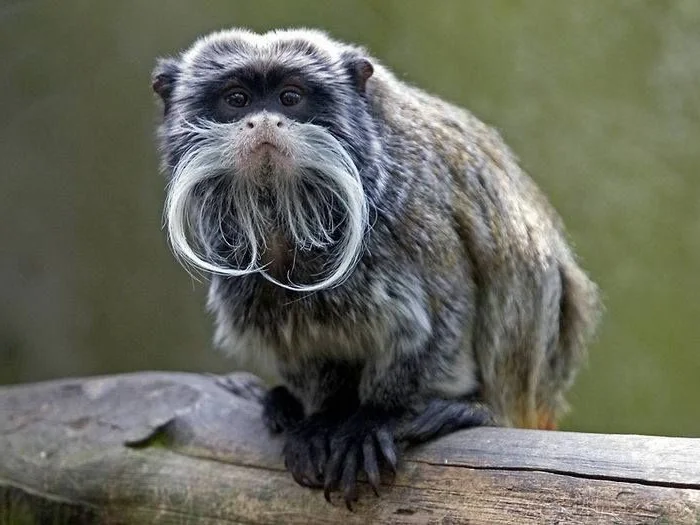
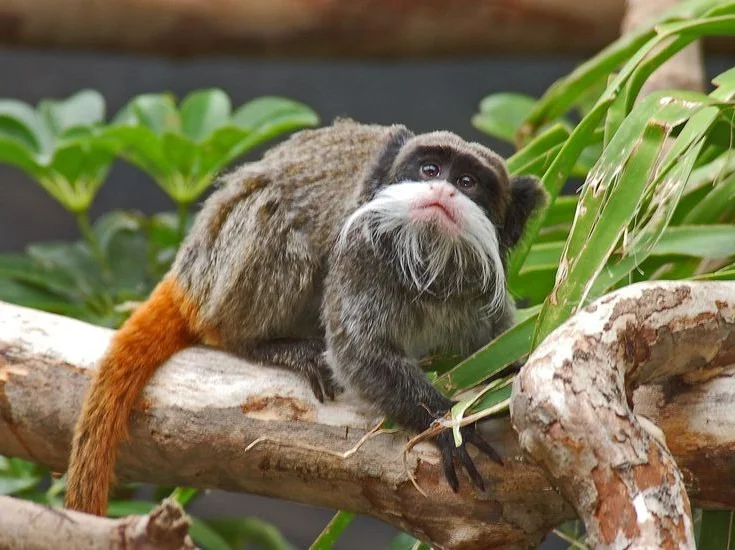
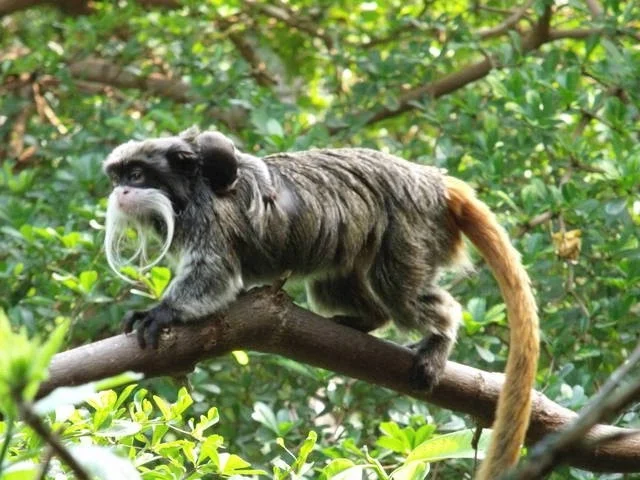
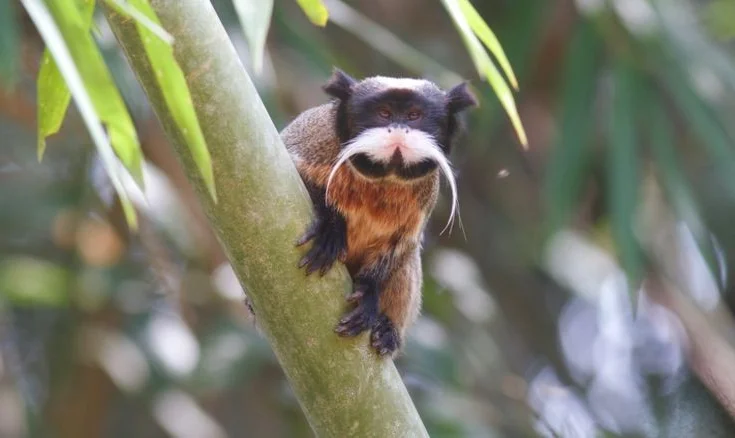
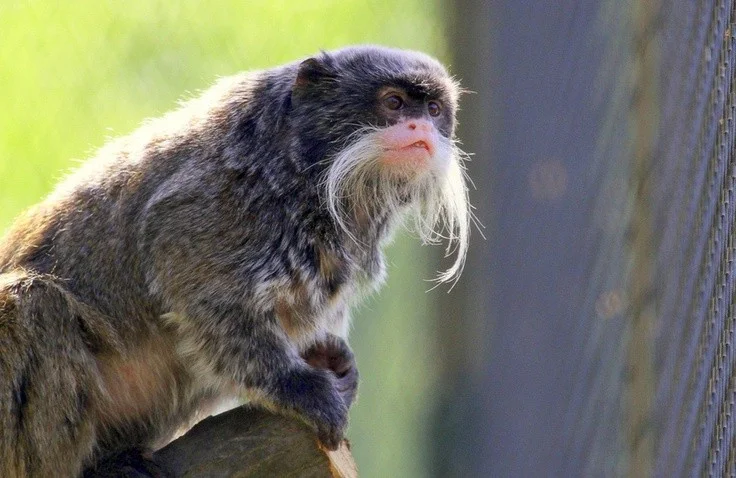
Discover the Emperor Tamarin: The Fascinating Mustache Monkey of the Amazon Rainforest
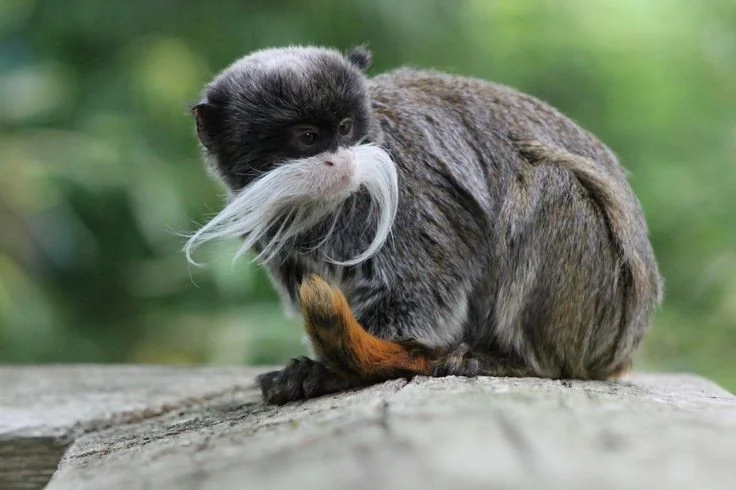
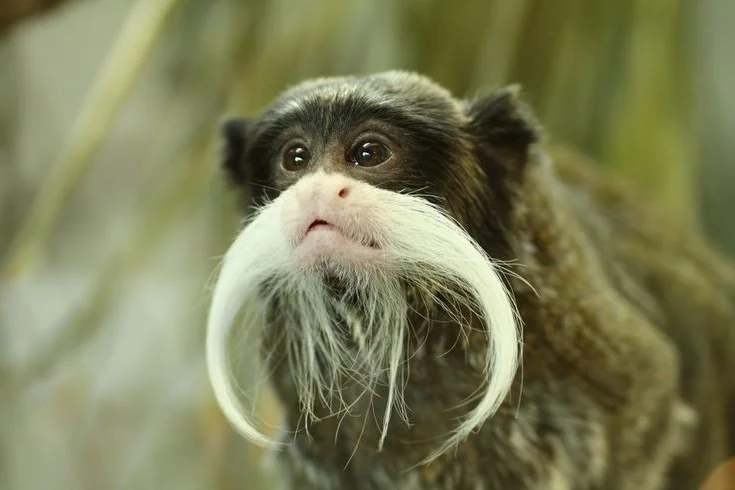
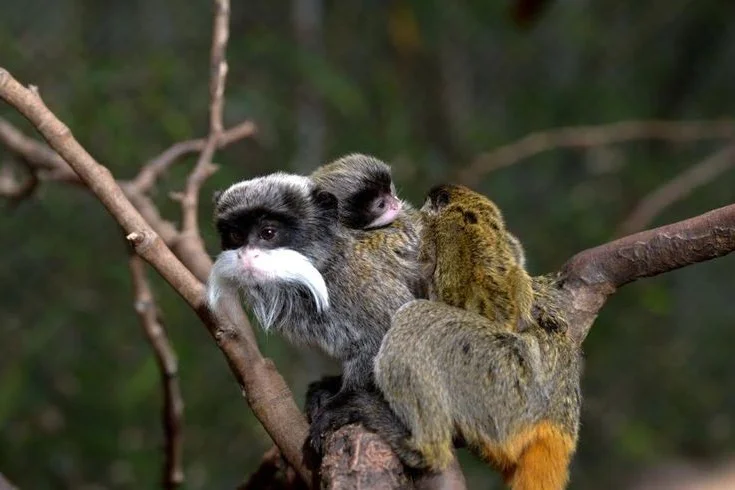
Deep within the lush canopy of the Amazon Rainforest lives one of the most distinctive primates on the planet: the Emperor Tamarin (Saguinus imperator). Known globally for its majestic, long white mustache that resembles the facial hair of a 19th-century European emperor, this small New World monkey is a true marvel of nature. Whether you are a wildlife enthusiast, a travel photographer, or a nature lover, capturing a glimpse of this unique creature is a bucket-list experience that highlights the incredible biodiversity of South America.The Emperor Tamarin is not just famous for its quirky looks; it also possesses fascinating social behaviors. These primates live in extended family groups where cooperation is the secret to their survival. Interestingly, the males often take on the primary role of carrying and caring for the infants, handing them back to the mothers only for nursing. Their diet is as varied as the rainforest itself, consisting of fruits, insects, and tree sap, which they skillfully forage across their territory in parts of Peru, Brazil, and Bolivia.
As you explore the wonders of the natural world, understanding the delicate balance of their ecosystem is vital. Unfortunately, habitat loss remains a significant threat to the Saguinus imperator. By highlighting these incredible animals, we bring awareness to the urgent need for Amazonian conservation. From their complex vocal communications to their playful antics, the Emperor Tamarin remains a symbol of the untamed beauty of the rainforest. This guide explores their unique characteristics and why they are a must-see for any wildlife enthusiast visiting the Amazon basin.
#EmperorTamarin , #AmazonRainforest , #WildlifePhotography , #ExoticAnimals , #NatureConservation , #PrimateWatching , #SouthAmericanWildlife , #SaguinusImperator
Comment
Rian
2026-02-12 14:11:05.018760
Macquarie Island: Exploring the Southern Ocean's Most Unique UNESCO World Heritage Site and Its Incredible Penguin Colonies
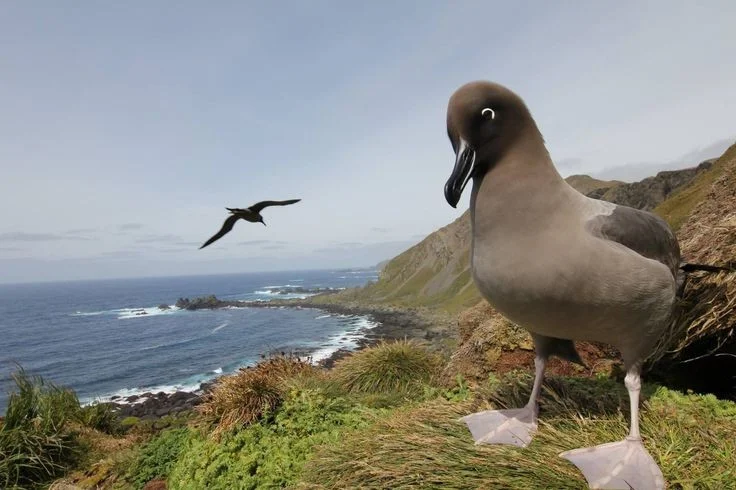
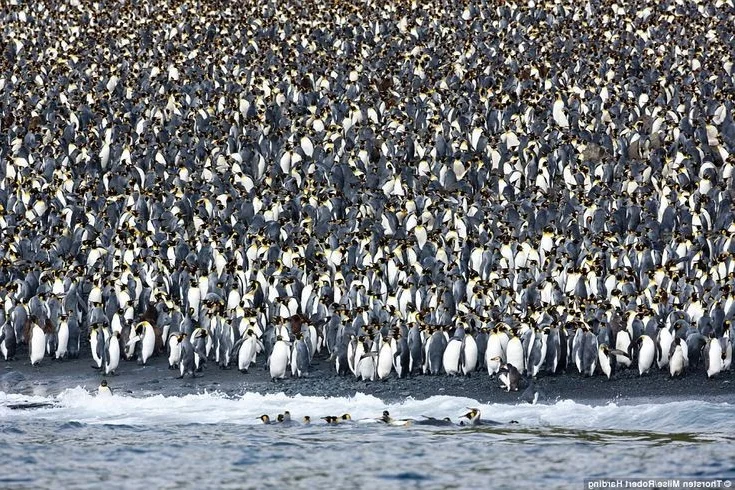
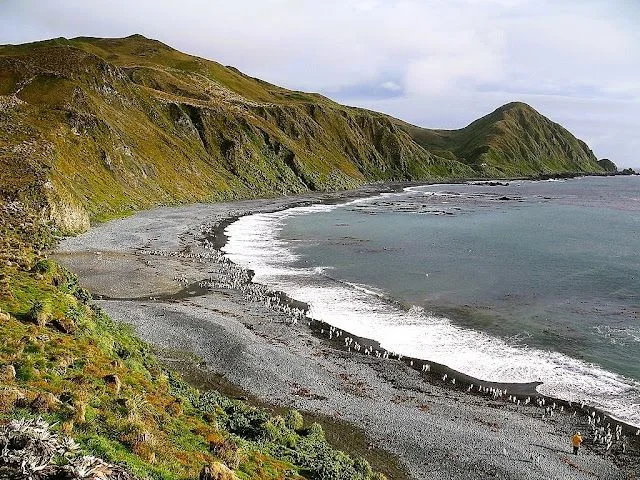
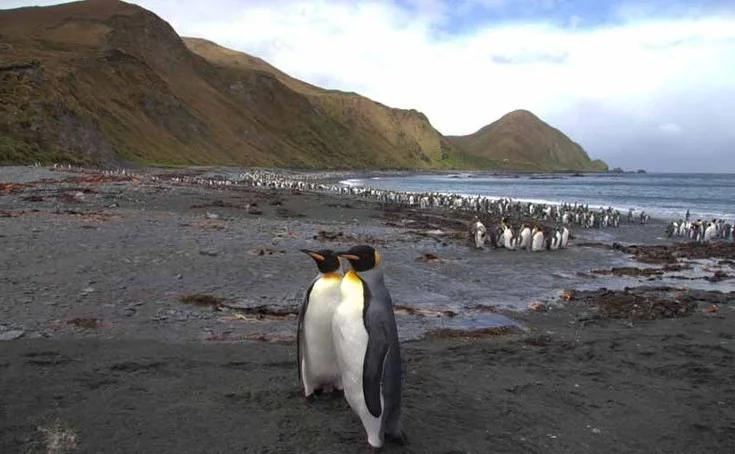
Discover the raw, untouched beauty of Macquarie Island, a remote jewel nestled in the Southern Ocean between Australia and Antarctica. As a UNESCO World Heritage site, this rugged landscape is world-renowned for its extraordinary geological significance and vibrant sub-Antarctic ecosystem. Our visual journey (ID: b84cfe3d-342f-404c-9a15-7cfde74fcc0a) captures the island's dramatic coastline, where the Earth's mantle is uniquely exposed above sea level, creating a landscape unlike any other on the planet.The island serves as a vital sanctuary for spectacular wildlife. Witness the bustling colonies of Royal Penguins—a species found nowhere else on Earth—distinguished by their striking yellow crests. Alongside them, majestic King Penguins and massive Southern Elephant Seals dominate the rocky shorelines, creating a primal spectacle of nature. The lush, mist-covered hills and narrow isthmuses provide a breathtaking backdrop for anyone passionate about wildlife photography and nature conservation.
Beyond its scenic wonders, Macquarie Island is a hub for scientific discovery. The Macquarie Island Station supports critical research on climate change and marine biology. These images highlight the resilience of an ecosystem that has undergone extensive restoration to protect its native flora and fauna. From the dense kelp forests swaying in the cold surf to the panoramic views of its unique topography, Macquarie Island remains a testament to the wild, enduring spirit of the Southern Ocean. Explore this rare ecological treasure and see why it is often called the most unusual island in the world.
#MacquarieIsland , #SouthernOcean , #WildlifePhotography , #RoyalPenguins , #UNESCOWorldHeritage , #SubAntarctic , #NatureConservation , #TravelBucketList




Đông Hoàng
2026-02-11 15:33:09.313522
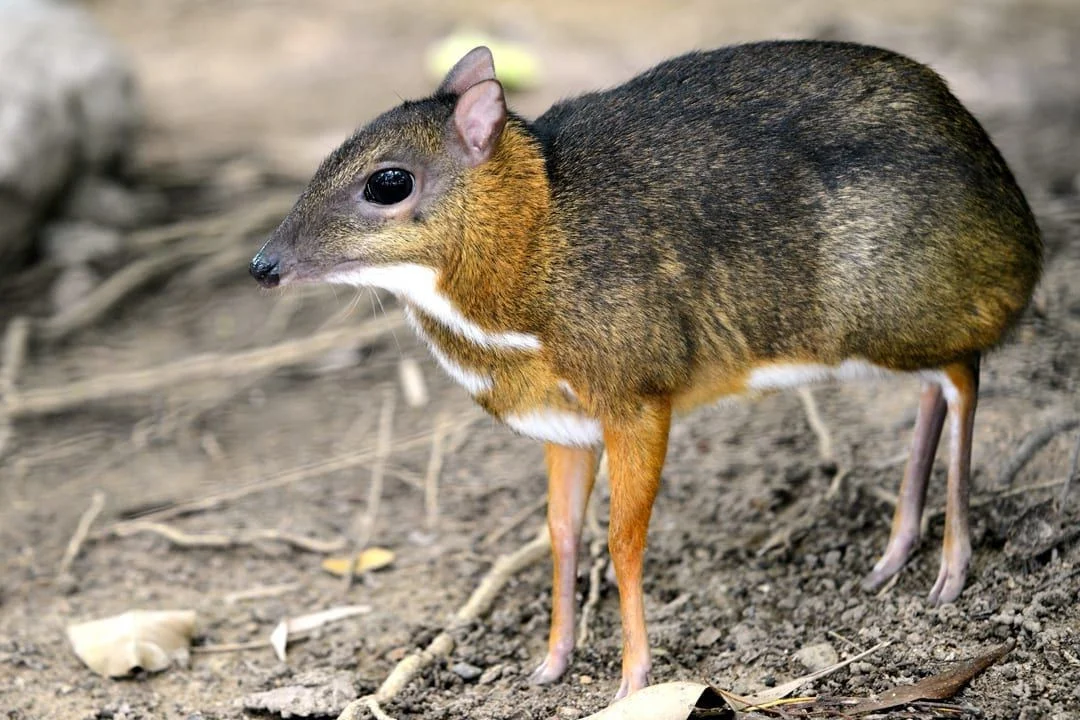
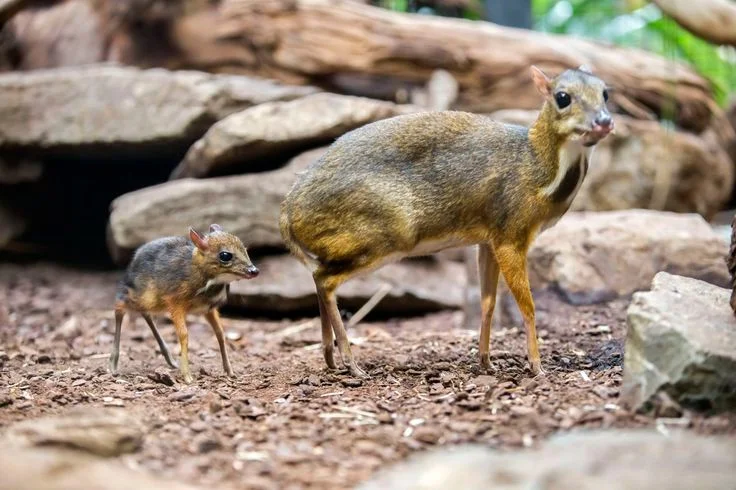
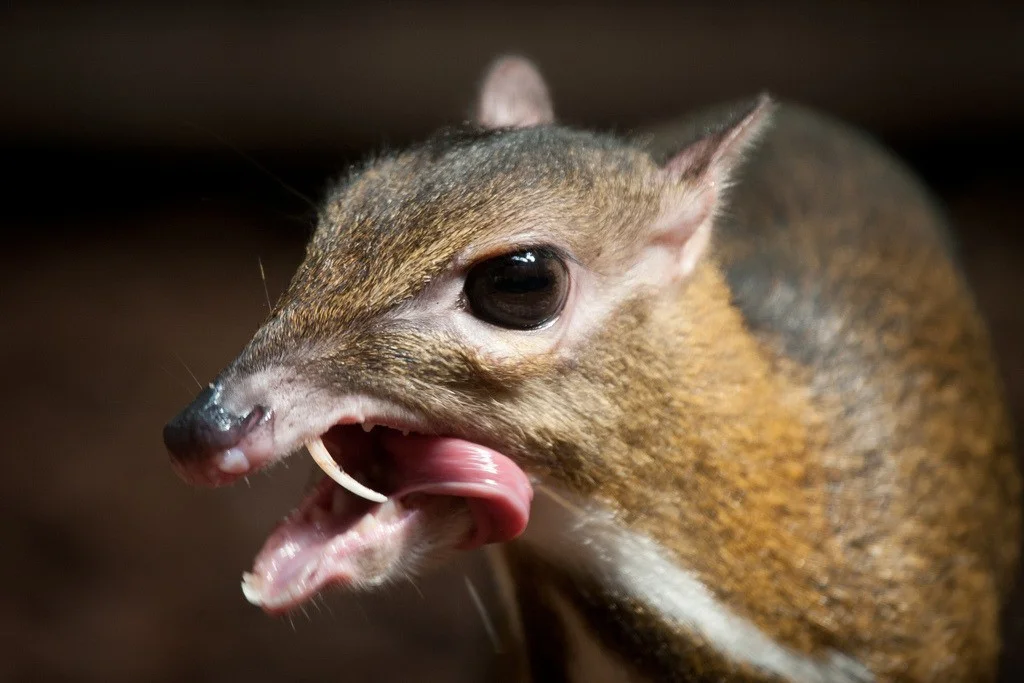
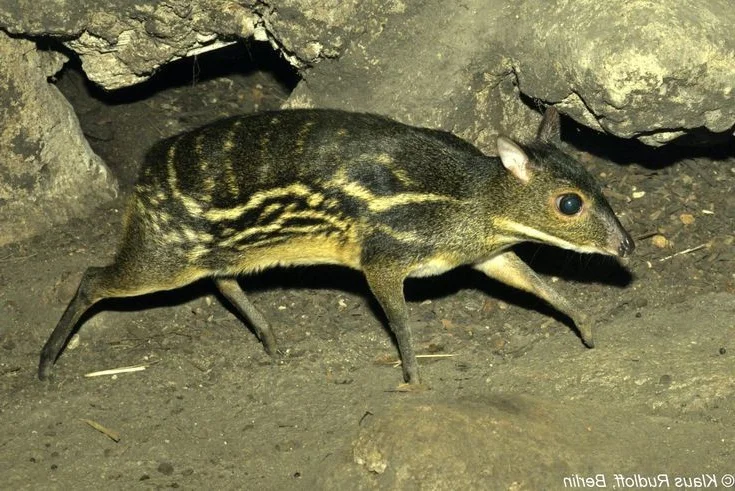
Discover the Mysterious Mouse-Deer of Vietnam: The World's Smallest Fanged Ungulate and Living Fossil
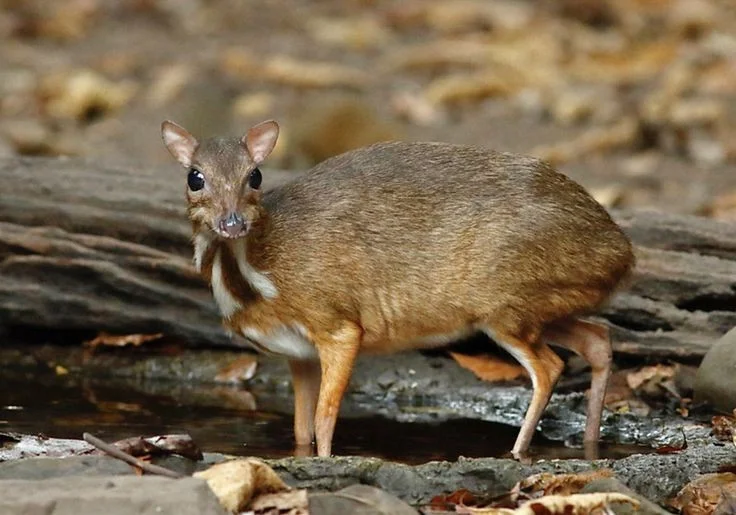
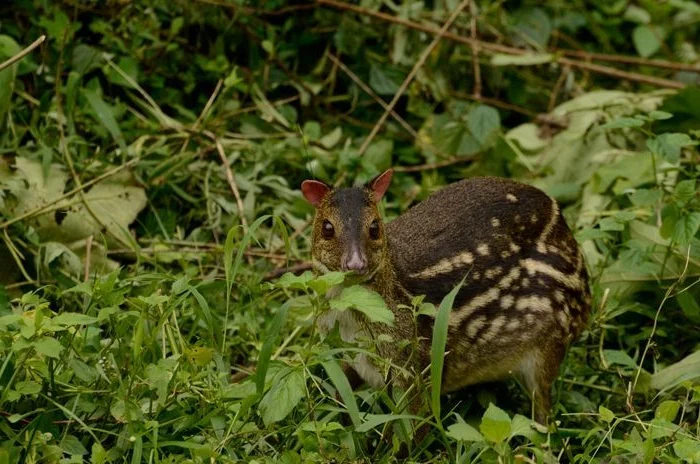
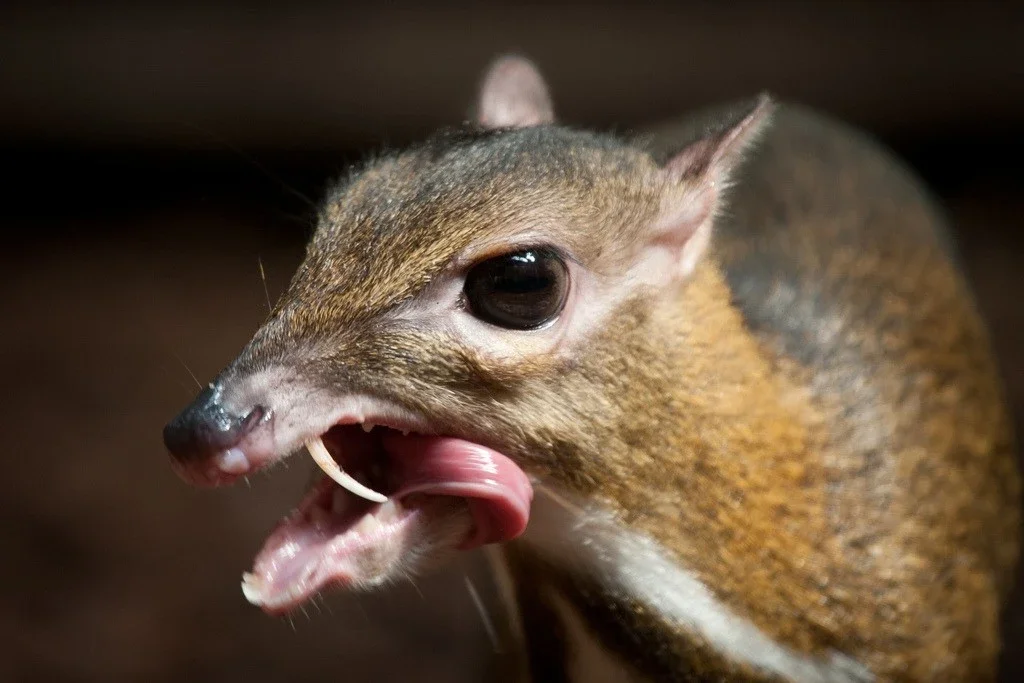
Deep within the lush, tropical rainforests of Vietnam lives one of the most intriguing and primitive creatures on Earth: the mouse-deer, scientifically known as the chevrotain. Despite its common name, this tiny animal is neither a mouse nor a true deer, but rather a member of the Tragulidae family—an ancient lineage of hoofed mammals that has remained largely unchanged for millions of years. This fascinating 'living fossil' is famous for its diminutive size, with some species being no larger than a rabbit, and its most striking physical feature: long, sharp canine fangs used by males during territorial disputes.The Lesser Oriental Chevrotain is a master of stealth, moving silently through the dense undergrowth to evade predators. Because they lack the antlers found in true deer, these creatures rely on their incredible agility and sharp tusks for survival. Found across Southeast Asia, and particularly abundant in certain regions of Vietnam, these shy, nocturnal animals play a vital role in the forest ecosystem. However, they face increasing threats from habitat loss and human encroachment.
Understanding the biology and habitat of the chevrotain, referenced here under record 6214b2a7-7e8e-48c4-bf71-d7de307c250b, is essential for wildlife enthusiasts and conservationists alike. Whether you are a travel blogger exploring Vietnam’s rich biodiversity or a nature lover fascinated by rare wildlife, the mouse-deer offers a unique glimpse into a prehistoric world. Protecting these tiny ungulates ensures that the natural heritage of the region remains intact for future generations. Explore the wonders of nature’s smallest hoofed mammals and learn why their conservation is more important than ever.
#MouseDeer , #VietnamWildlife , #RareAnimals , #NatureConservation , #Chevrotain , #WildlifePhotography , #LivingFossil , #SoutheastAsiaNature
SULTAN PRIME
2025-12-23 14:11:42.921732
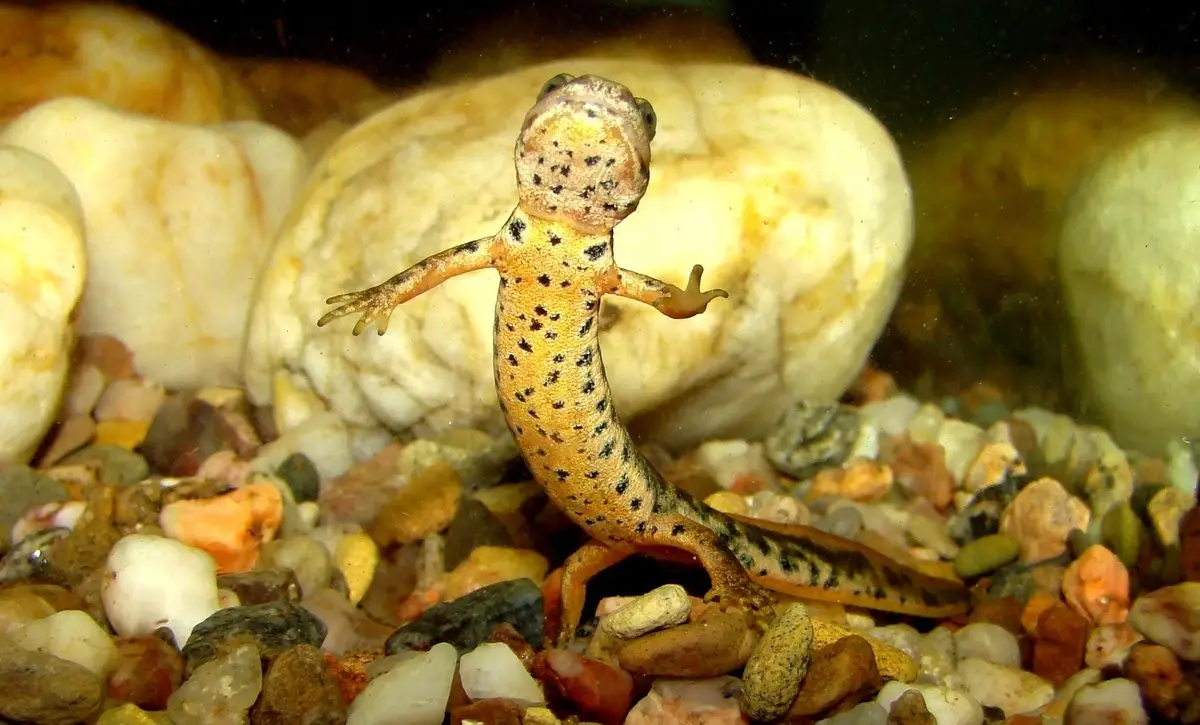
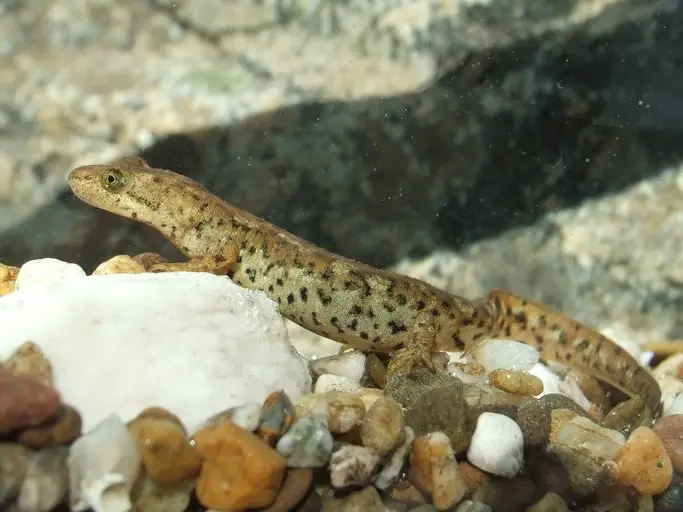
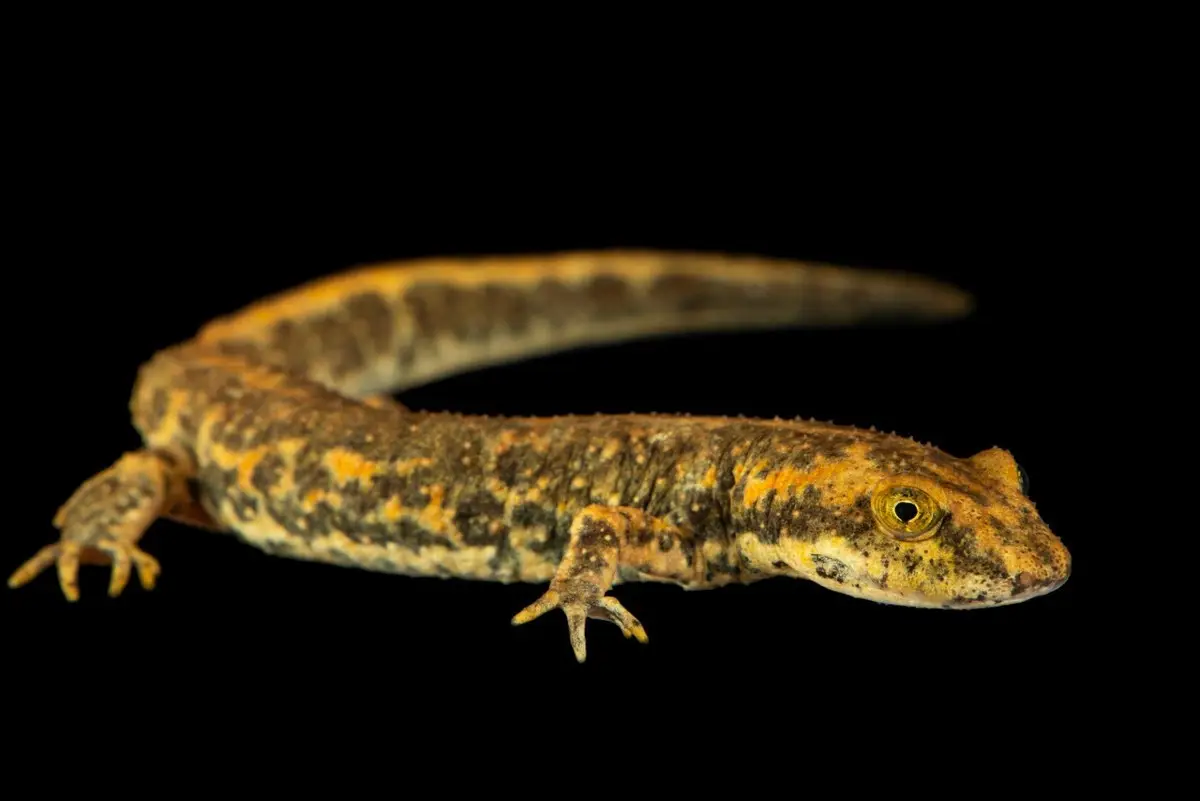
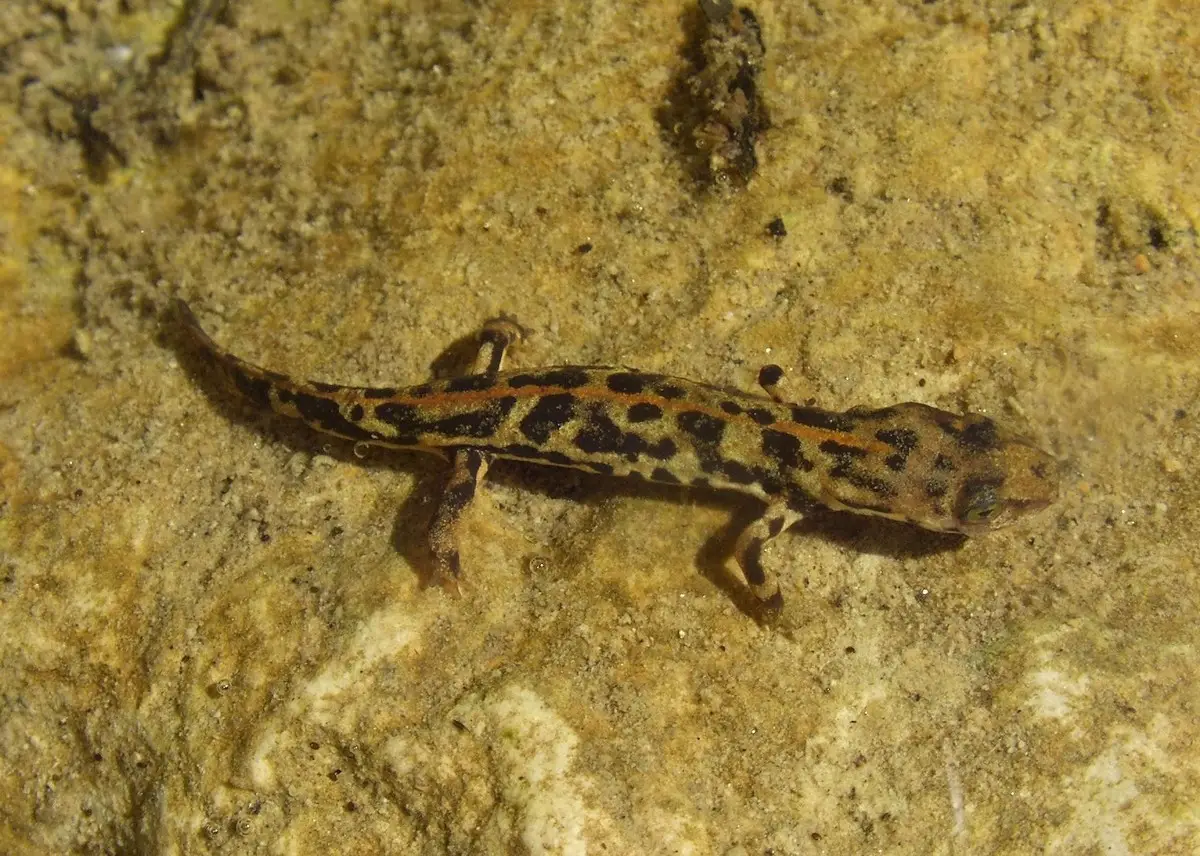
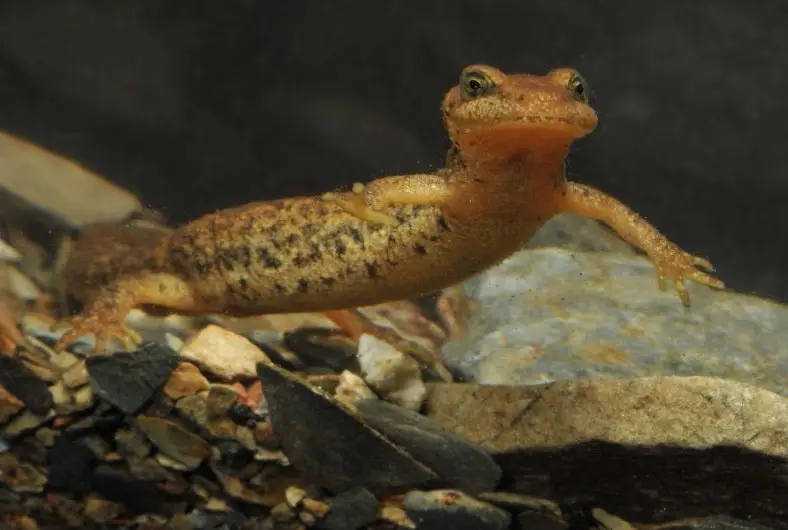
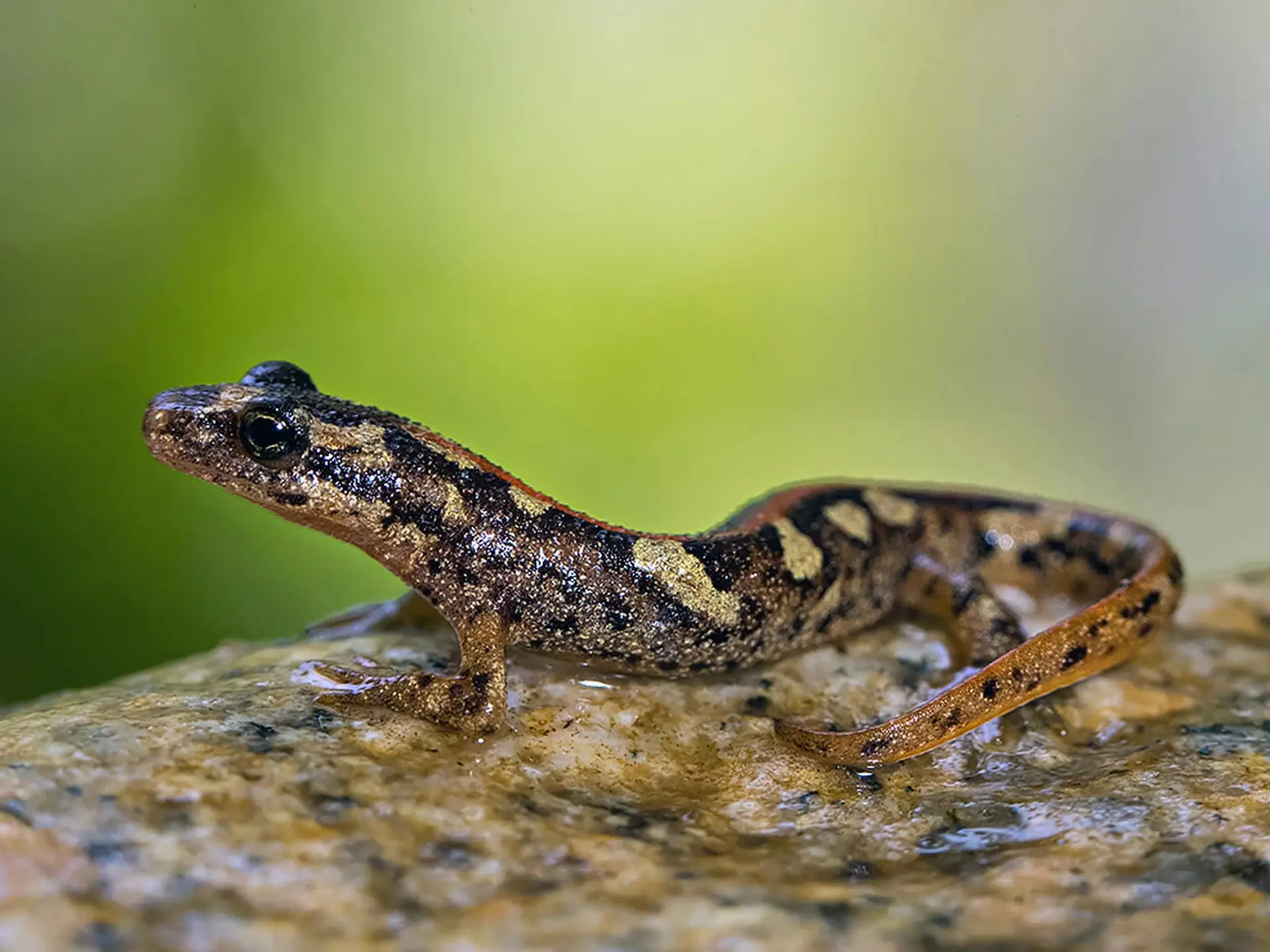
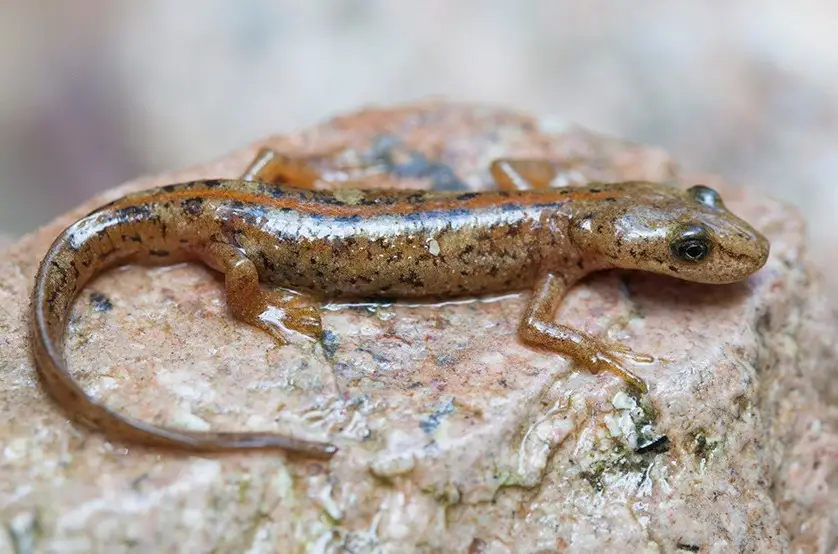
Mysterious Sardinian Brook Newt: Unique Appearance of an Amphibian in the Mediterranean
This close-up image reveals the unique and somewhat mysterious appearance of the Sardinian Brook Newt, a rare endemic amphibian species. Living in the heart of the Mediterranean on the island of Sardinia, they are a vibrant symbol of the pristine ecological environment of mountain streams. With specialized adaptations for strong currents, this newt typically hunts at night, contributing to natural balance. Their rainy season breeding capability is also an interesting characteristic. More importantly, the Sardinian Brook Newt is considered a water pollution indicator; its presence confirms freshwater quality. Conserving this amphibian means protecting the entire fragile freshwater ecosystem, a critical task to maintain biodiversity.#Sardinian #BrookNewt #EndemicAmphibian #NatureConservation #Biodiversity #Mediterranean

Stories
-
Creat Your Story
time to story
-

Anna Mull
1 hour ago
-

Ira Membrit
4 hour ago
-

Bob Frapples
9 hour ago
Events
-

Web Workshop
1 hour ago
-

Fun Events and Festivals
1 hour ago
Upcoming Birthday
-
Anna Sthesia
Today
-

Paul Molive
Tomorrow