
 Select Photos
minhanh
2026-02-14 21:43:08.400392
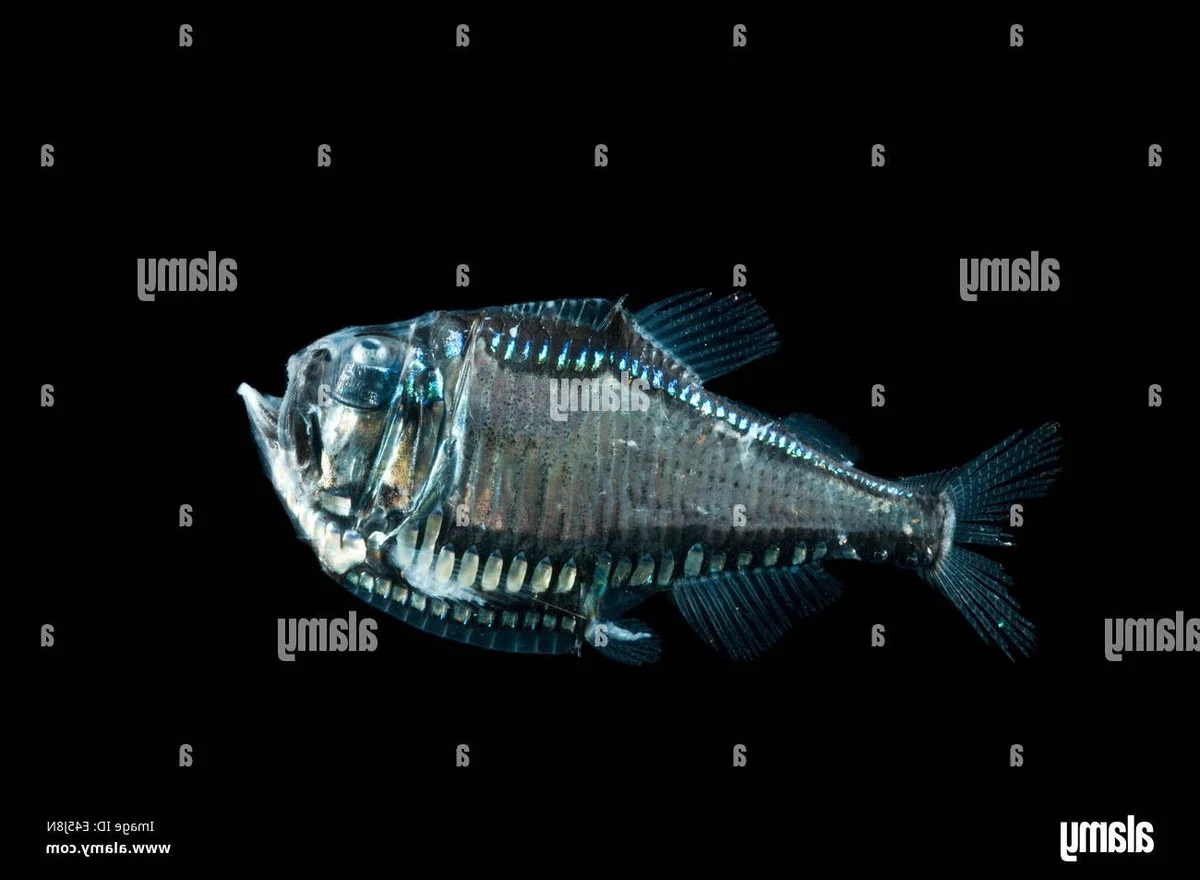
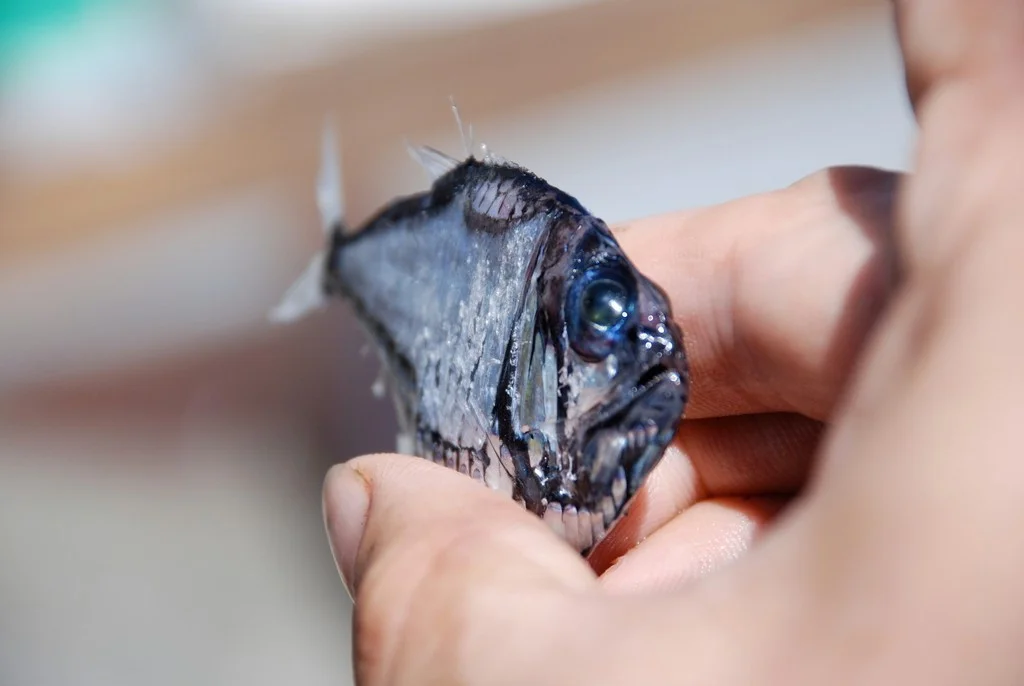
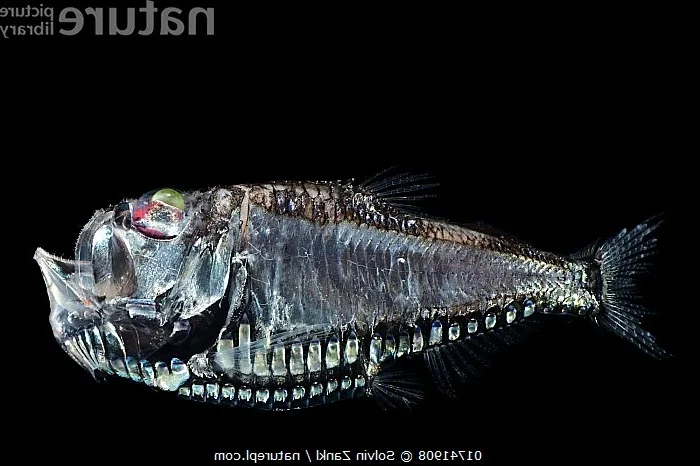
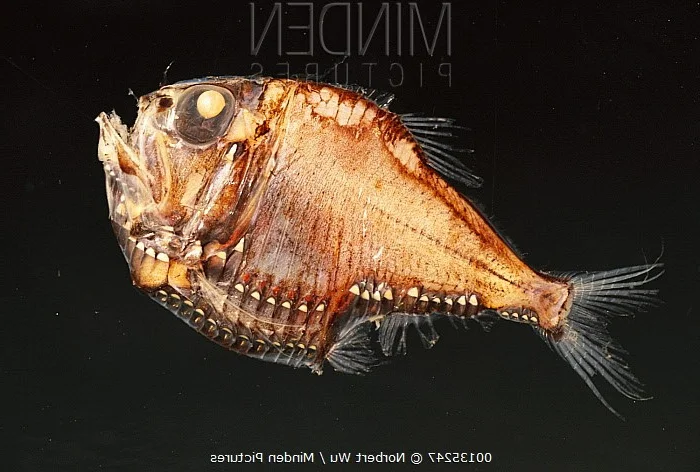
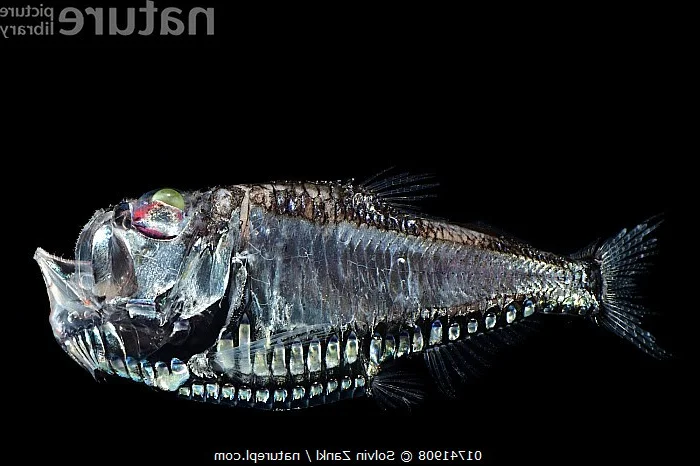
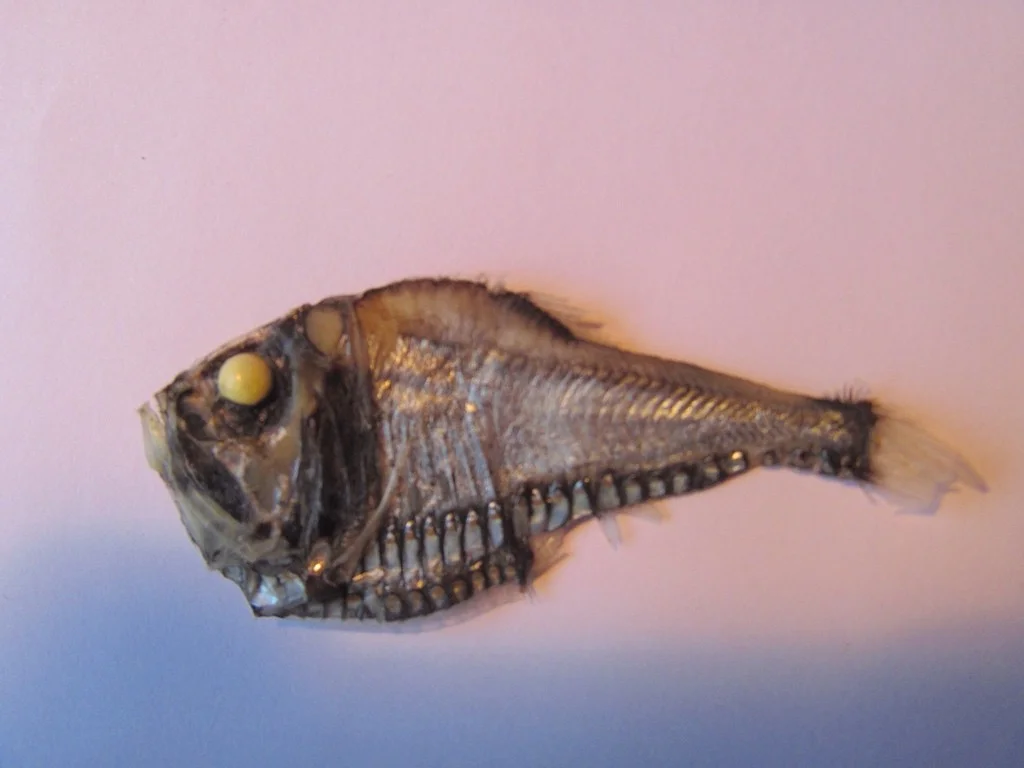
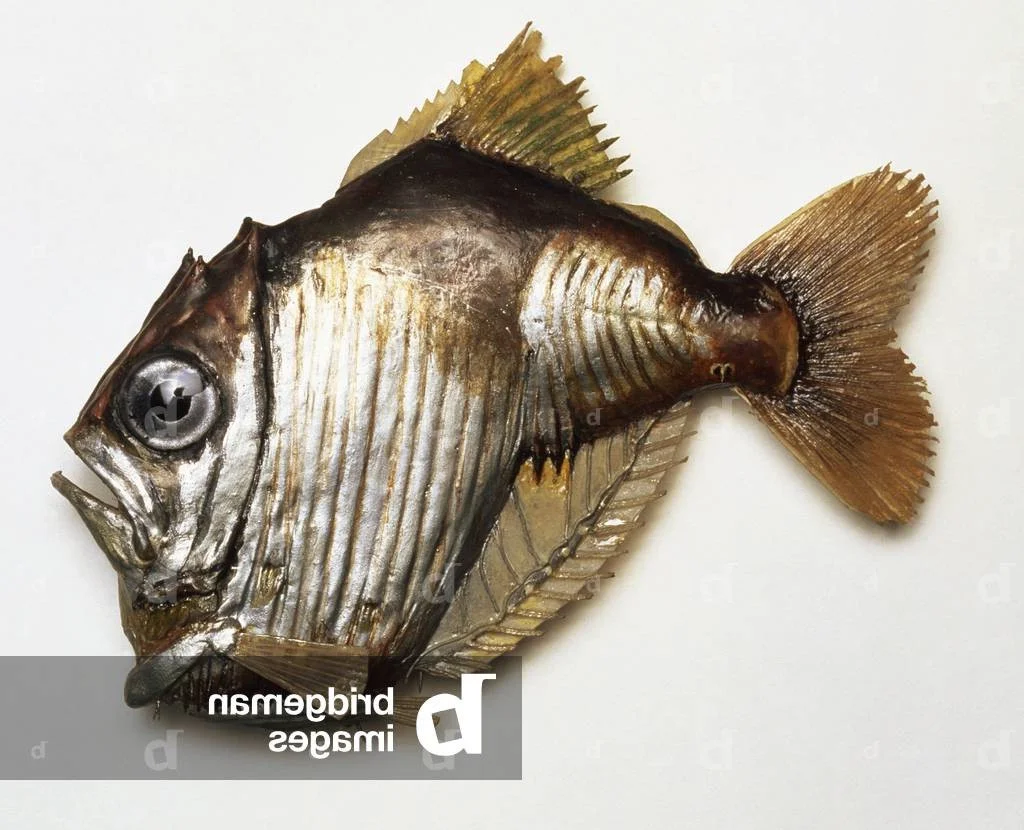
Discover the Mysterious Pacific Hatchetfish: A Deep-Sea Marvel with Bioluminescent Glow and Unique Hatchet-Shaped Body
Dive into the mysterious depths of the Pacific Ocean to meet one of nature's most bizarre yet fascinating creations: the Pacific Hatchetfish, scientifically known as Argyropelecus affinis. Living in the 'twilight zone' where sunlight barely reaches, this unique deep-sea creature has evolved incredible adaptations to survive in a high-pressure, near-dark environment. As its name suggests, its silver, compressed body resembles the blade of a hatchet, making it nearly invisible when viewed from certain angles.One of the most striking features of the Pacific Hatchetfish is its mastery of bioluminescence. Along its belly, it possesses light-producing organs called photophores. These allow the fish to perform 'counter-illumination,' mimicking the faint light from the surface to mask its silhouette from predators lurking below. This sophisticated camouflage strategy is a testament to the wonders of marine evolution. Additionally, their large, upward-pointing tubular eyes are perfectly designed to scan for food or threats against the dim light above.
Whether you are a marine biology enthusiast, a student of the natural world, or simply someone captivated by the mysteries of the abyss, the Argyropelecus affinis offers a glimpse into a world few ever see. From its vertical migration patterns to its role in the complex deep-sea food web, this species highlights the incredible biodiversity hidden beneath the waves. Explore the alien-like beauty of the Pacific Hatchetfish and discover how life thrives in the most extreme conditions on Earth. This deep-sea marvel remains a symbol of the unexplored frontiers of our blue planet.
#DeepSeaCreatures , #PacificHatchetfish , #MarineBiology , #OceanMysteries , #Bioluminescence , #UnderwaterWorld , #NaturePhotography , #ArgyropelecusAffinis
Comment

Đông Hoàng
2026-02-11 16:00:19.164851
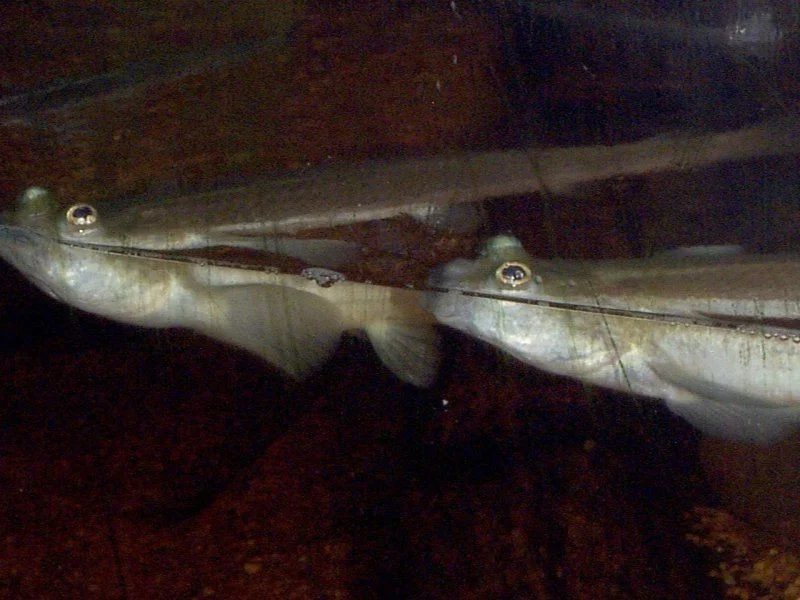
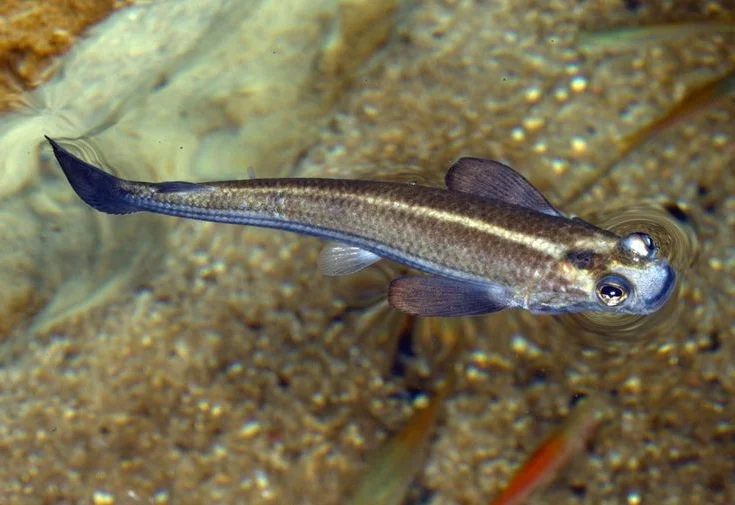
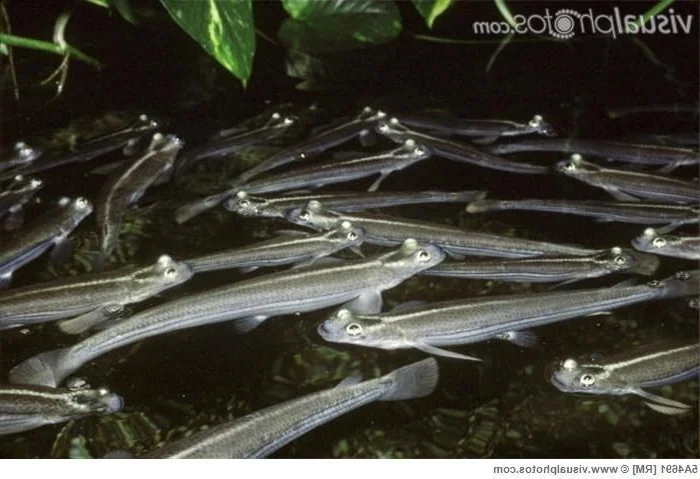
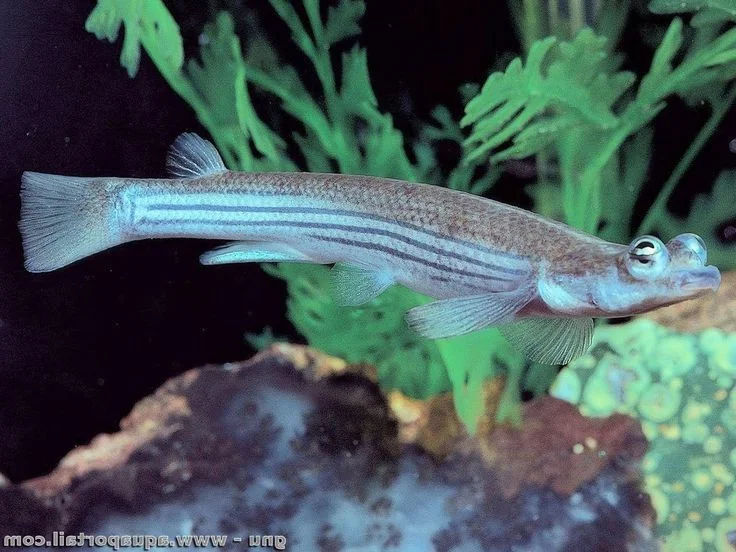
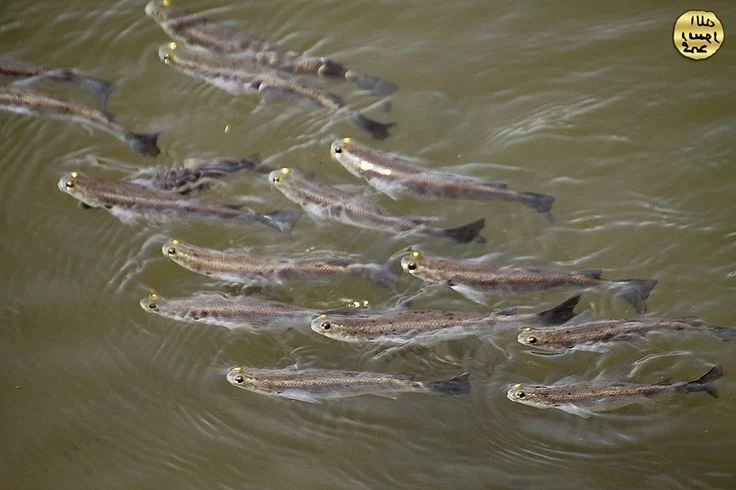
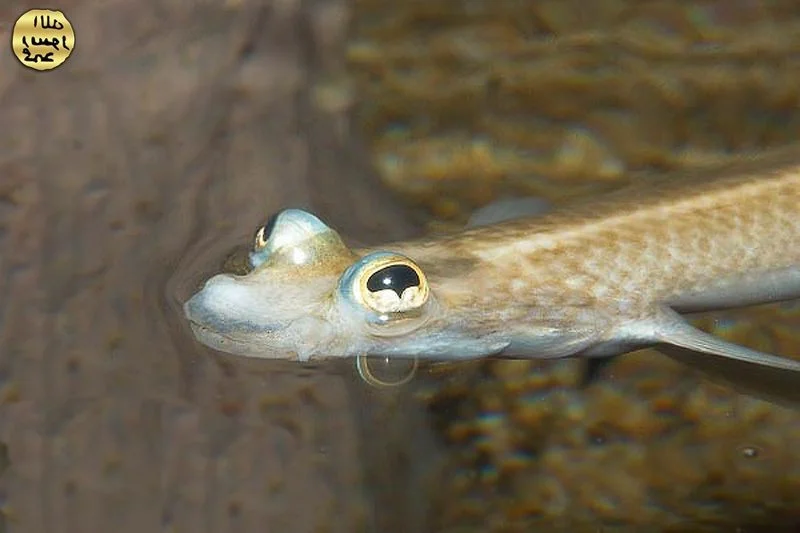
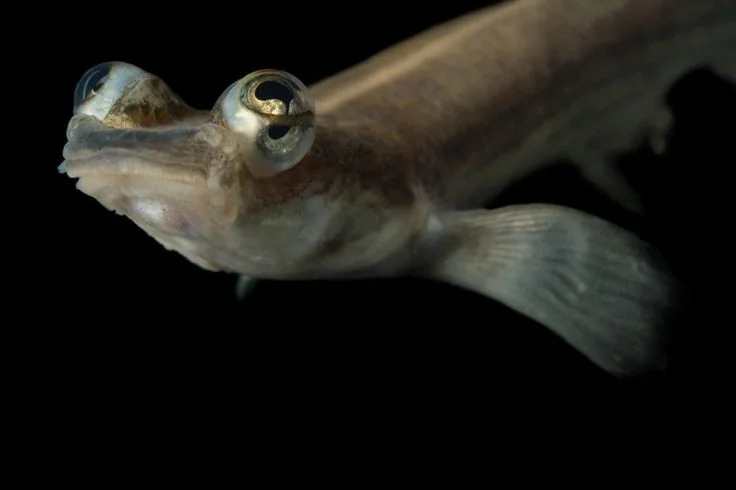
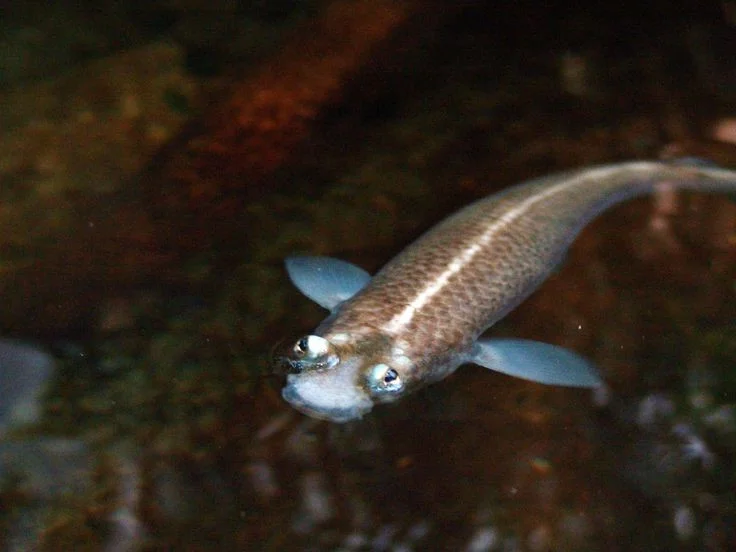
Discover the Incredible Four-Eyed Fish: Nature’s Unique Marvel That Sees Above and Below Water Simultaneously
Nature never ceases to amaze us with its incredible evolutionary designs, and the Four-Eyed Fish (Anableps anableps) is a prime example of biological ingenuity. Found primarily in the tropical waters of Central and South America, this unique creature possesses a vision system unlike any other in the animal kingdom. Despite its common name, the fish actually has two physical eyes, but each is horizontally divided by a thin band of tissue. This specialized structure allows the fish to float at the water's surface and see clearly both above and below the waterline at the same time.This dual-vision capability is a vital survival mechanism for the species. By keeping the upper half of its eyes focused on the sky to watch for predatory birds and the lower half submerged to hunt for insects, small crustaceans, and other prey, the Four-Eyed Fish masters its brackish water environment with ease. It remains a fascinating subject for researchers studying evolutionary biology and visual adaptation. Beyond its vision, these fish are also known for being live-bearers, adding another layer of complexity to their reproductive life cycle.
Whether you are a marine biology enthusiast, a nature photographer, or simply curious about the world’s most unusual animals, the Anableps anableps is a true wonder of the natural world. This specific profile, cataloged under reference 61f6e582-c4e7-409b-8142-c749371e443f, highlights the remarkable ability of species to adapt to their surroundings in ways that seem almost supernatural. Explore the beauty of aquatic evolution and learn how this small fish manages to navigate two different worlds simultaneously.
#FourEyedFish , #MarineBiology , #NaturePhotography , #EvolutionaryBiology , #AquaticLife , #AnablepsAnableps , #WildlifeDiscovery , #TropicalFish
Lonnie McElwee
2026-01-08 13:19:35.865641
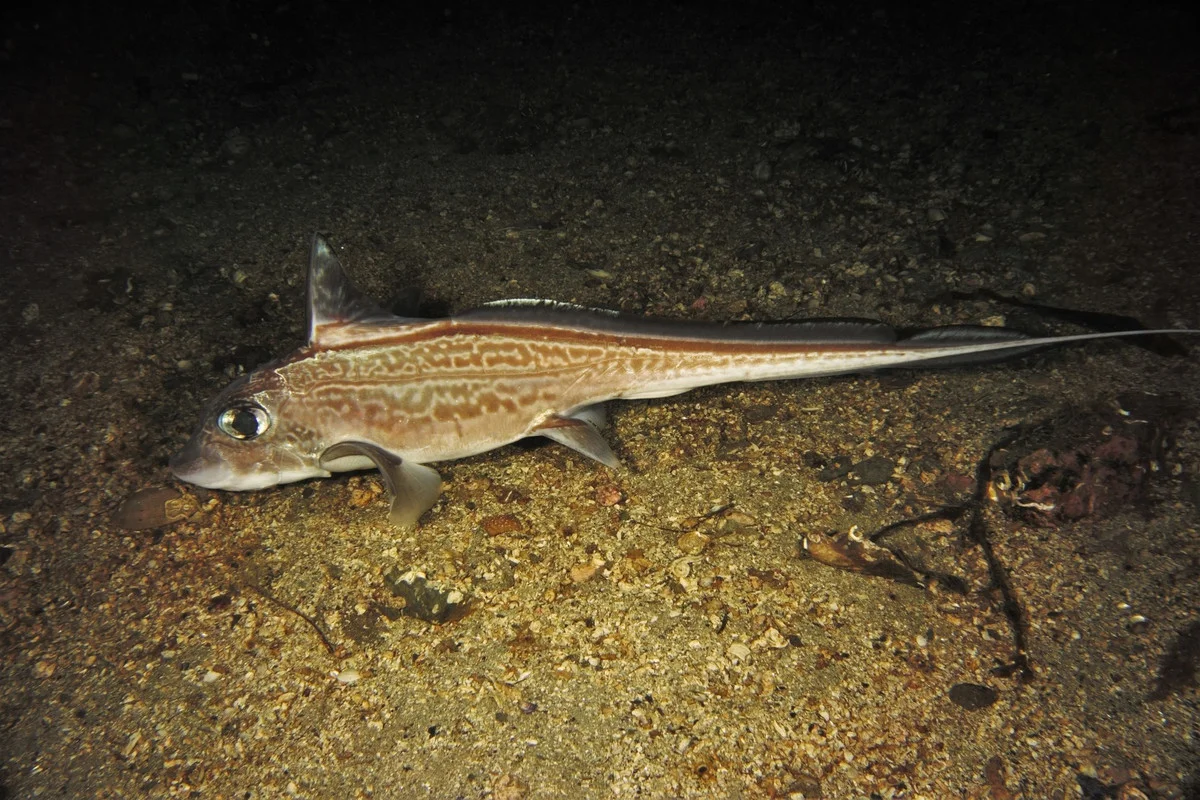
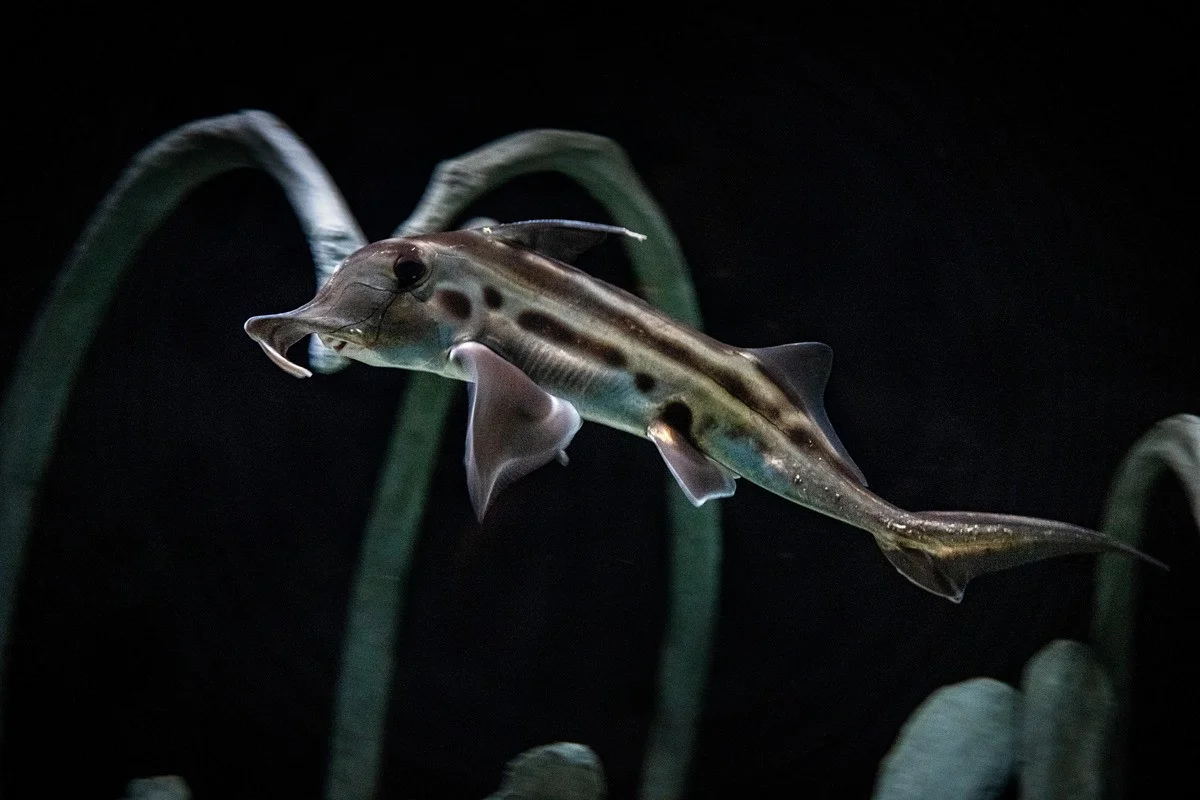
Discover the haunting beauty of the 300-million-year-old Ghost Shark
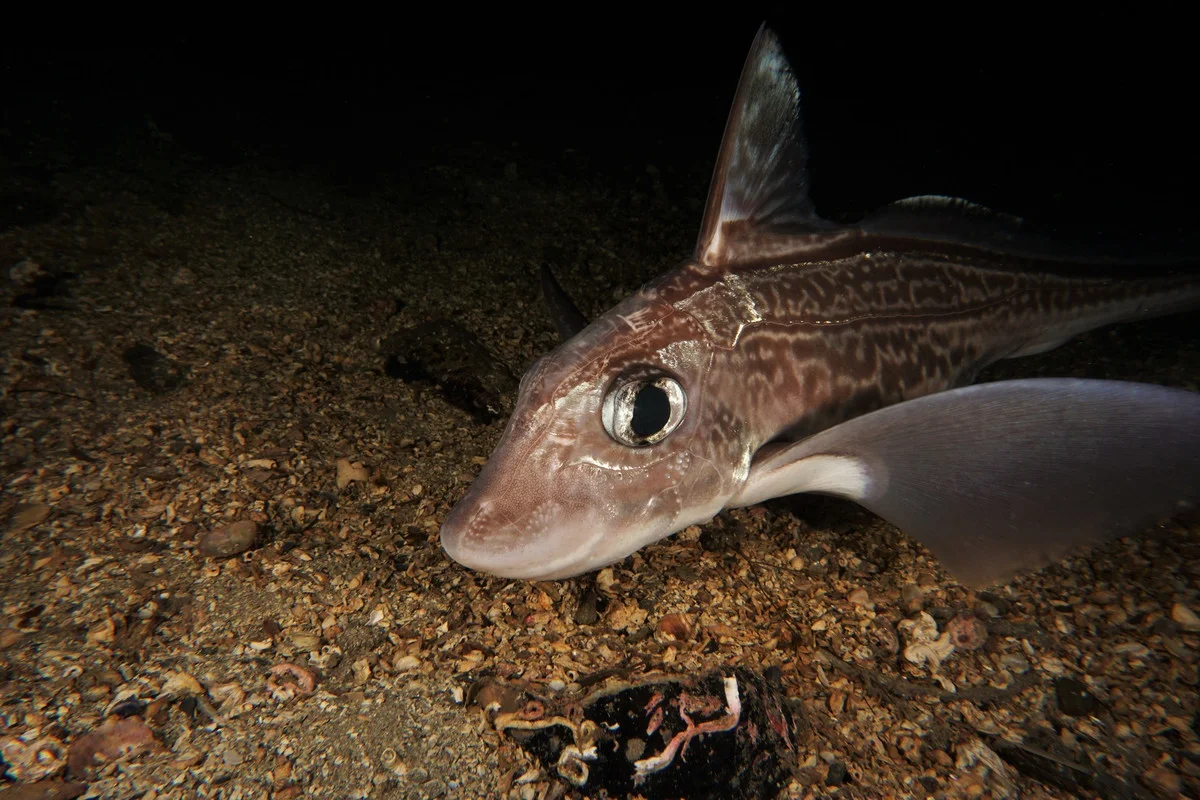
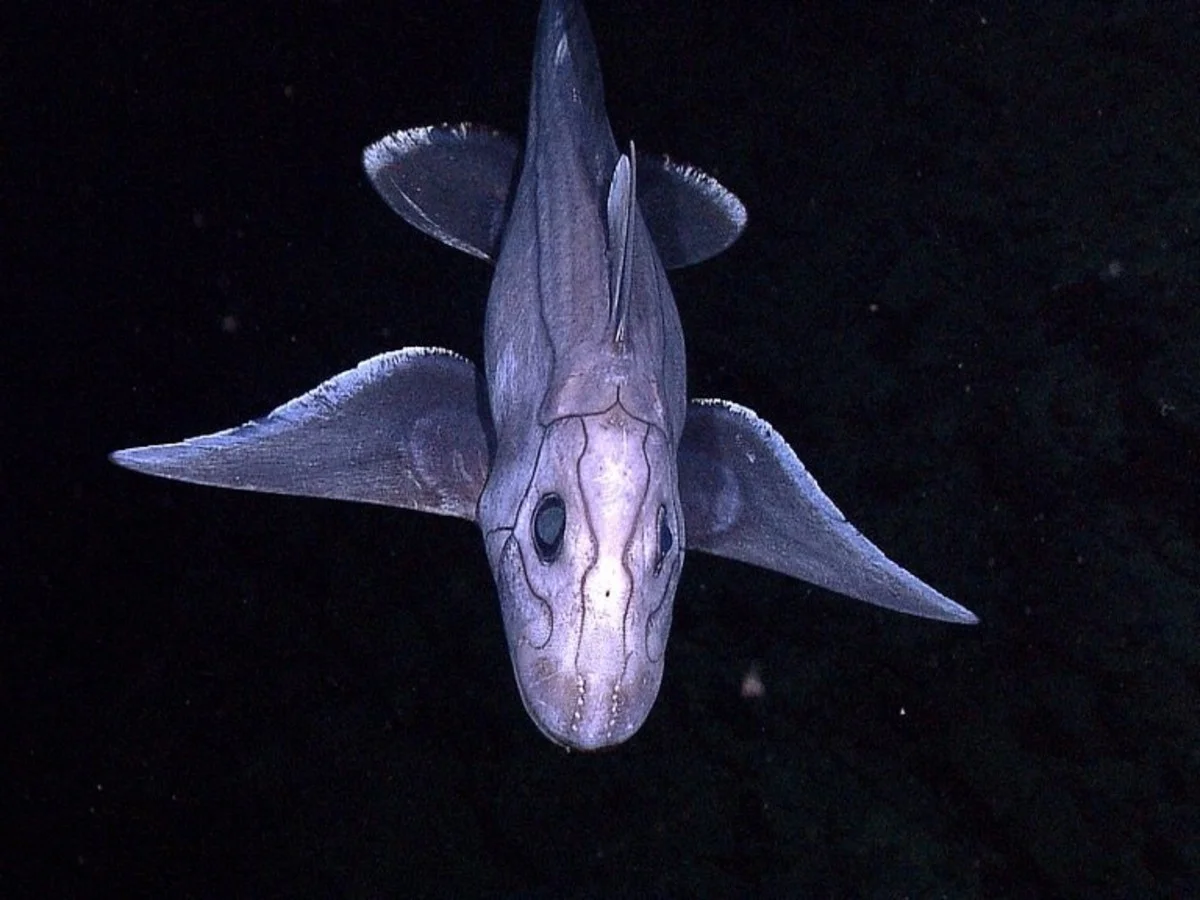
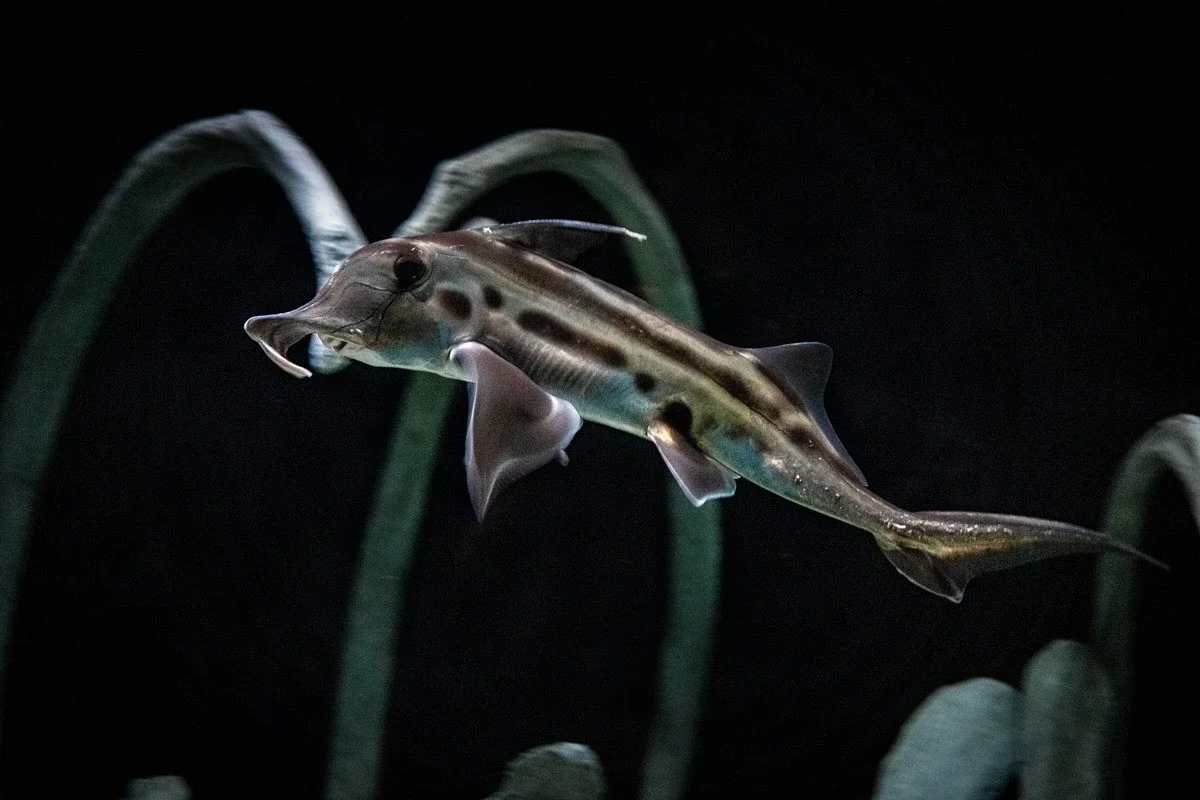
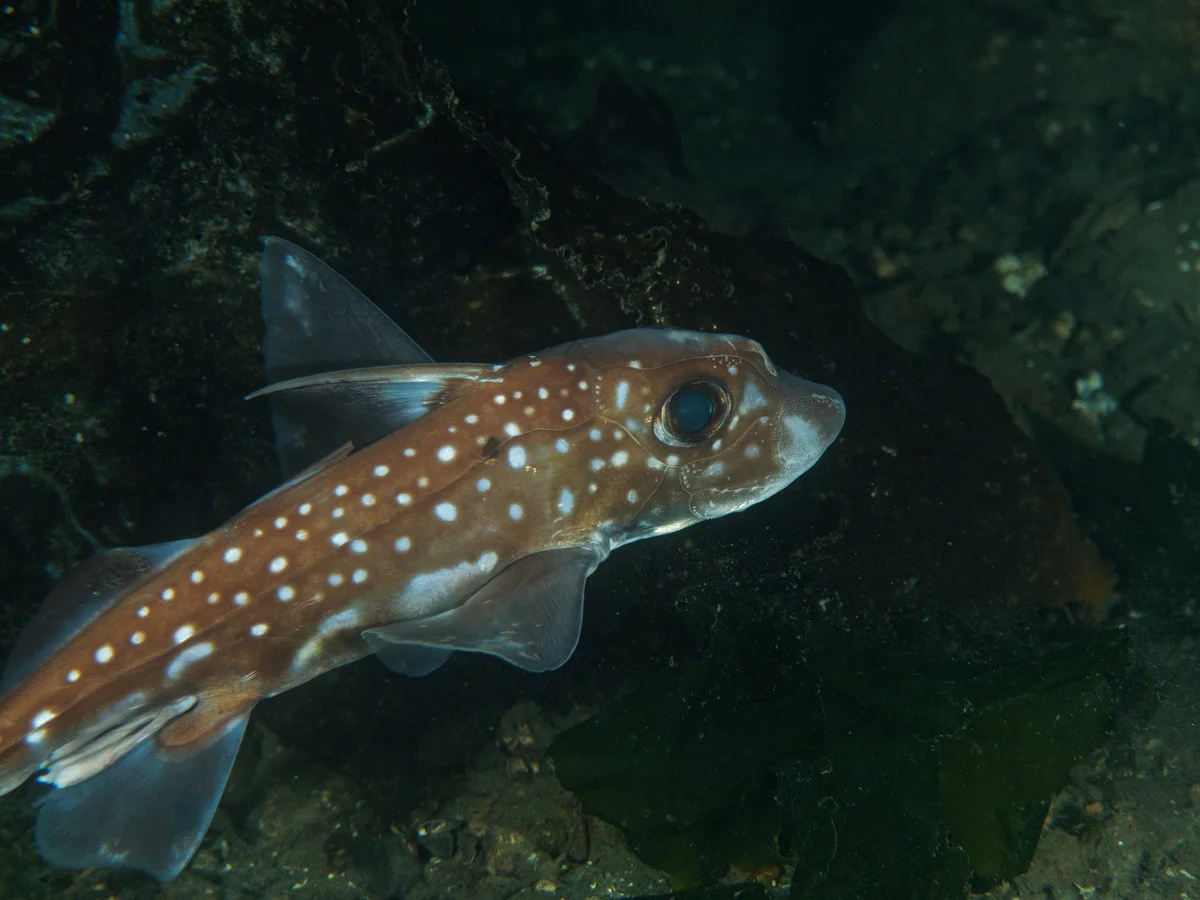
Deep within the silent shadows of the abyss, there exists a creature of ethereal and prehistoric beauty that takes your breath away. Known as the Chimaera or the Ghost Shark, this living fossil has survived for over 300 million years, predating even the dinosaurs. This captivating shot captures the Hydrolagus colliei gliding effortlessly through its dark domain, looking more like a piece of moving art than a biological entity. Its large, reflective eyes seem to hold the secrets of eons, while the smooth, metallic texture of its skin evokes the feel of fine satin or polished stone. The overall mood is one of haunting minimalism and profound mystery, reminding us of the vast, unexplored wonders of our blue planet. There is an undeniable sense of grace in its movement, a silent dance that has remained unchanged through the ages. Looking at this ancient traveler, one cannot help but feel a deep sense of nostalgia for a world long forgotten, making it a perfect inspiration for those who find beauty in the dark, the deep, and the timeless.#OceanDiscovery #PrehistoricLife #MarineBiology #EtherealBeauty #Chimaera
Stories
-
Creat Your Story
time to story
-

Anna Mull
1 hour ago
-

Ira Membrit
4 hour ago
-

Bob Frapples
9 hour ago
Events
-

Web Workshop
1 hour ago
-

Fun Events and Festivals
1 hour ago
Upcoming Birthday
-
Anna Sthesia
Today
-

Paul Molive
Tomorrow