
 Select Photos
Đông Hoàng
2026-02-11 15:33:09.313522
Discover the Mysterious Mouse-Deer of Vietnam: The World's Smallest Fanged Ungulate and Living Fossil
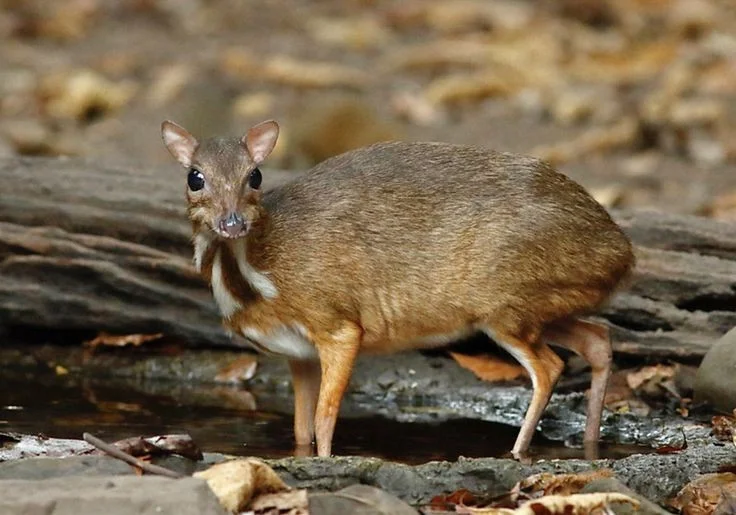
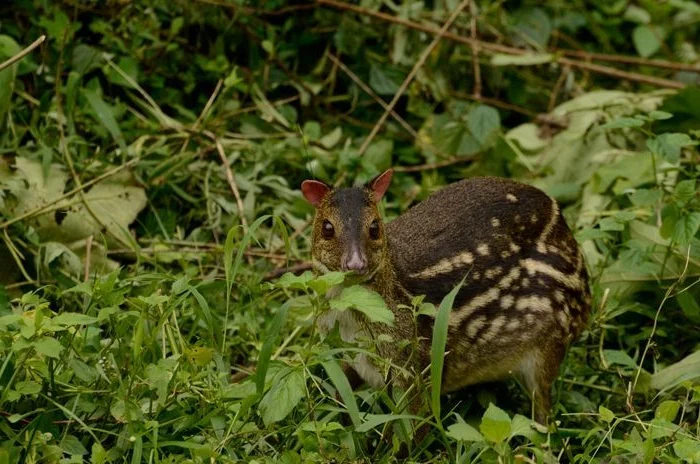
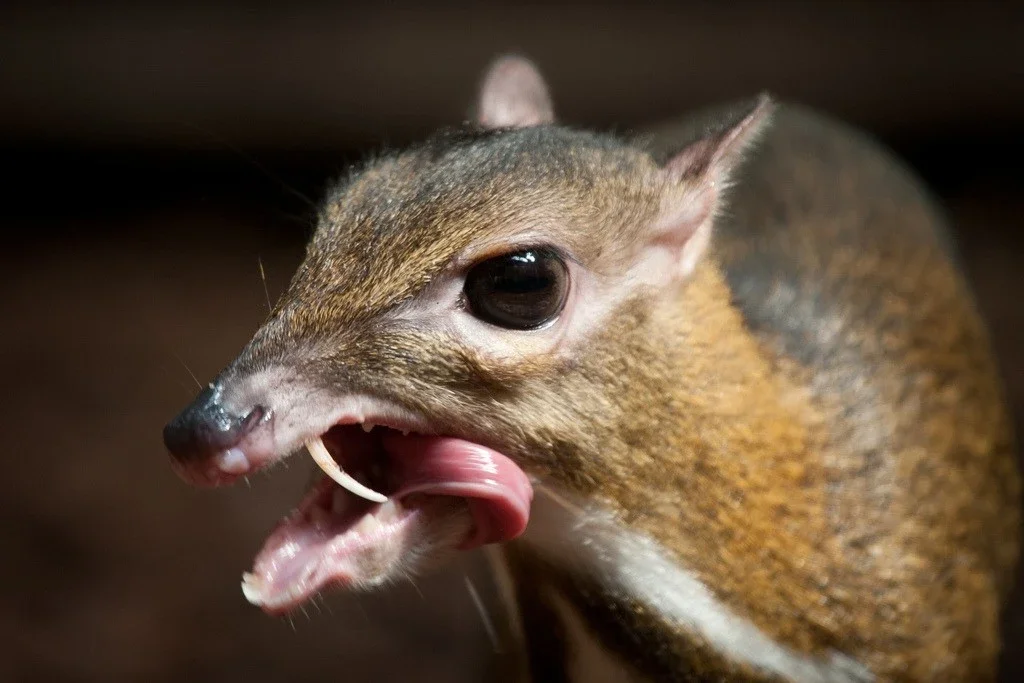
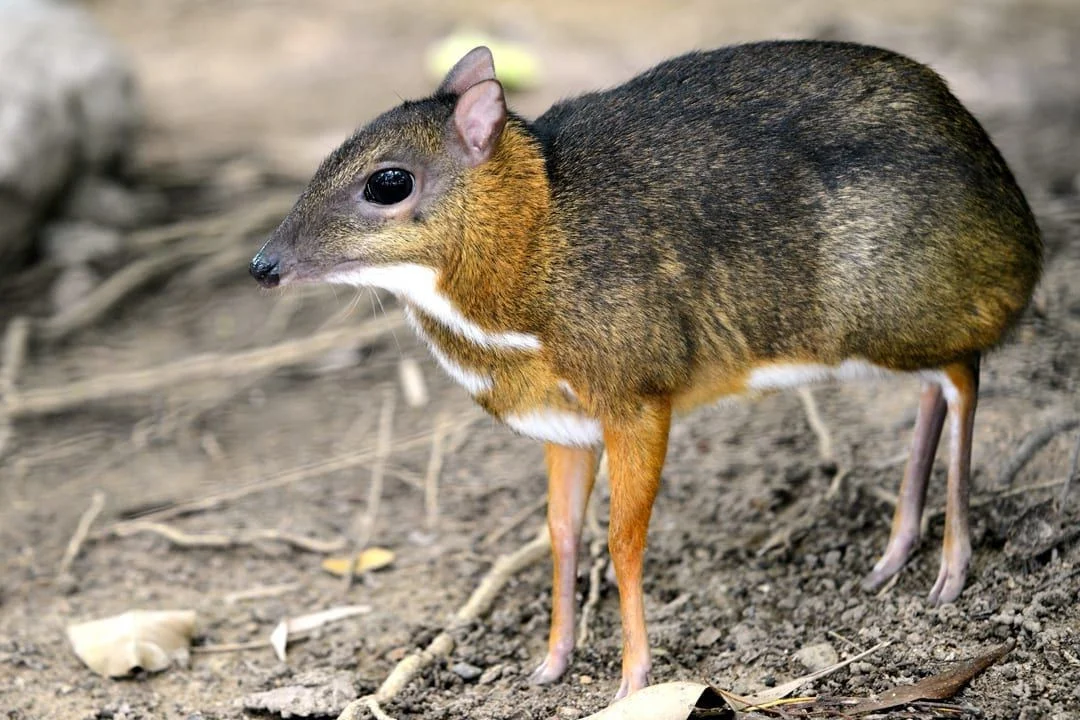
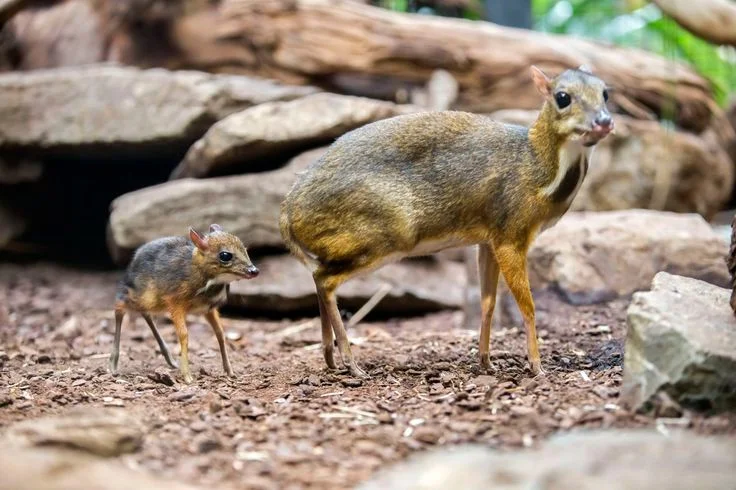
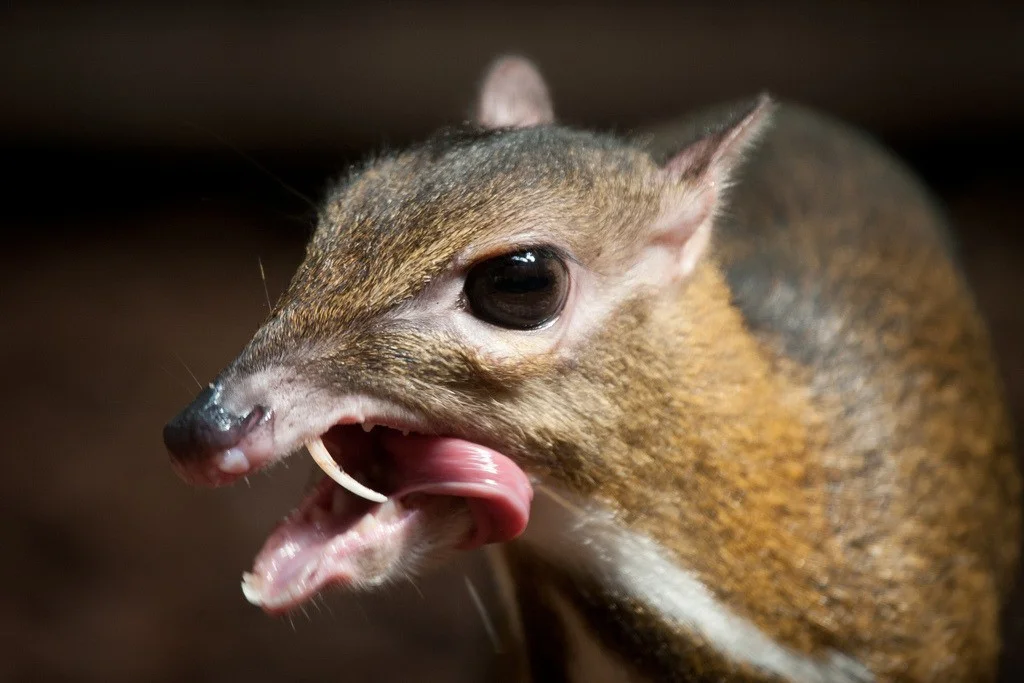
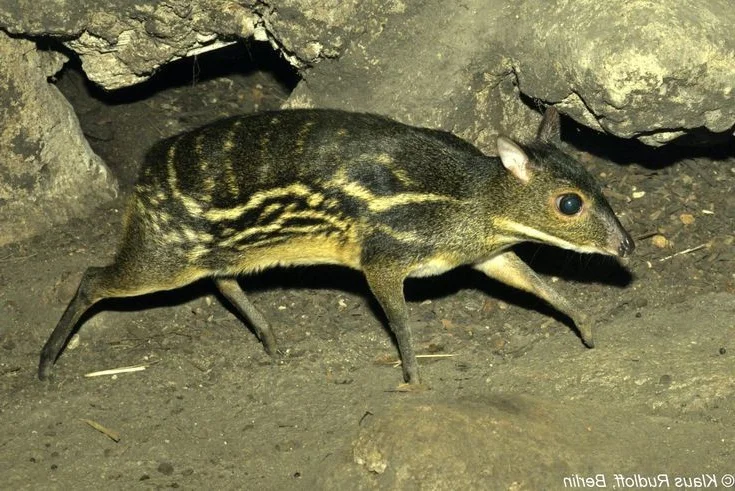
Deep within the lush, tropical rainforests of Vietnam lives one of the most intriguing and primitive creatures on Earth: the mouse-deer, scientifically known as the chevrotain. Despite its common name, this tiny animal is neither a mouse nor a true deer, but rather a member of the Tragulidae family—an ancient lineage of hoofed mammals that has remained largely unchanged for millions of years. This fascinating 'living fossil' is famous for its diminutive size, with some species being no larger than a rabbit, and its most striking physical feature: long, sharp canine fangs used by males during territorial disputes.The Lesser Oriental Chevrotain is a master of stealth, moving silently through the dense undergrowth to evade predators. Because they lack the antlers found in true deer, these creatures rely on their incredible agility and sharp tusks for survival. Found across Southeast Asia, and particularly abundant in certain regions of Vietnam, these shy, nocturnal animals play a vital role in the forest ecosystem. However, they face increasing threats from habitat loss and human encroachment.
Understanding the biology and habitat of the chevrotain, referenced here under record 6214b2a7-7e8e-48c4-bf71-d7de307c250b, is essential for wildlife enthusiasts and conservationists alike. Whether you are a travel blogger exploring Vietnam’s rich biodiversity or a nature lover fascinated by rare wildlife, the mouse-deer offers a unique glimpse into a prehistoric world. Protecting these tiny ungulates ensures that the natural heritage of the region remains intact for future generations. Explore the wonders of nature’s smallest hoofed mammals and learn why their conservation is more important than ever.
#MouseDeer , #VietnamWildlife , #RareAnimals , #NatureConservation , #Chevrotain , #WildlifePhotography , #LivingFossil , #SoutheastAsiaNature
Comment
Stories
-
Creat Your Story
time to story
-

Anna Mull
1 hour ago
-

Ira Membrit
4 hour ago
-

Bob Frapples
9 hour ago
Events
-

Web Workshop
1 hour ago
-

Fun Events and Festivals
1 hour ago
Upcoming Birthday
-

Anna Sthesia
Today
-

Paul Molive
Tomorrow