
 Select Photos
Đông Hoàng
2026-02-11 15:46:15.706117
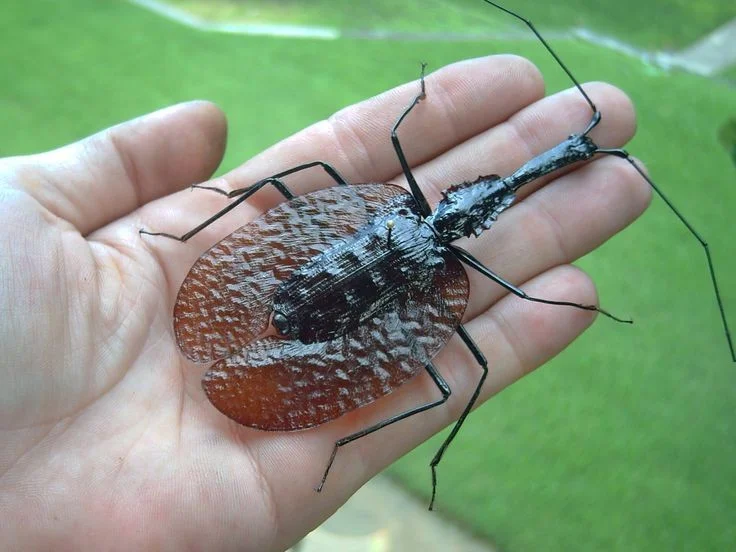
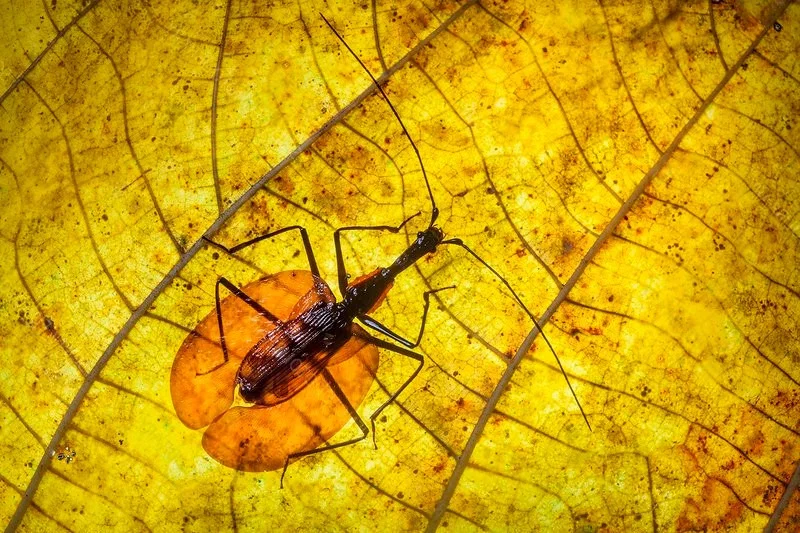
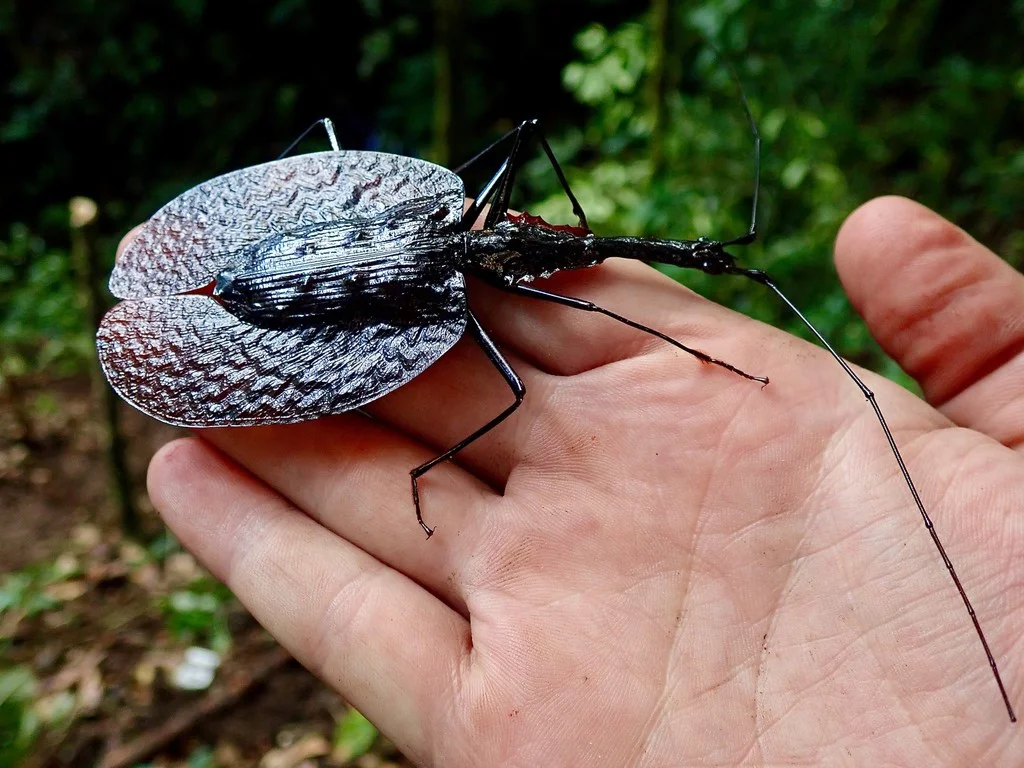
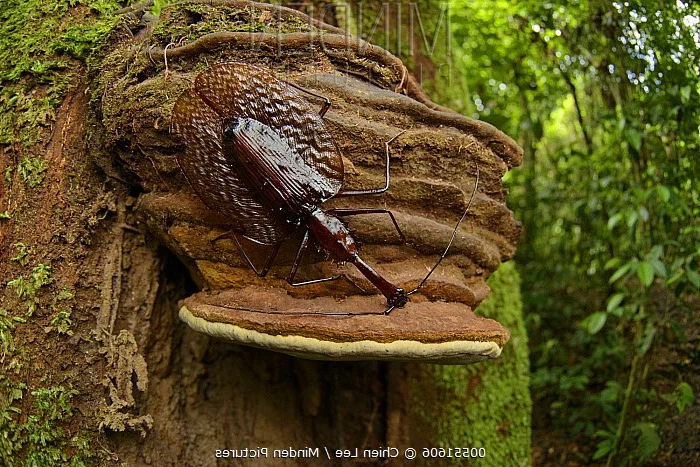
Discover the Rare Violin Beetle (Mormolyce phyllodes): A Master of Camouflage in the Rainforests of Southeast Asia
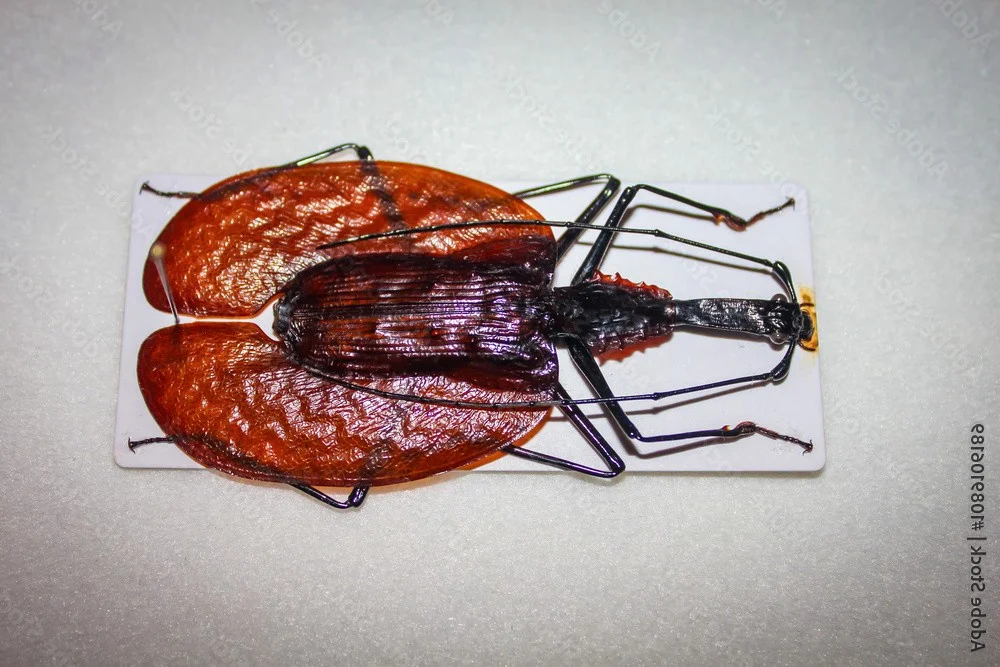
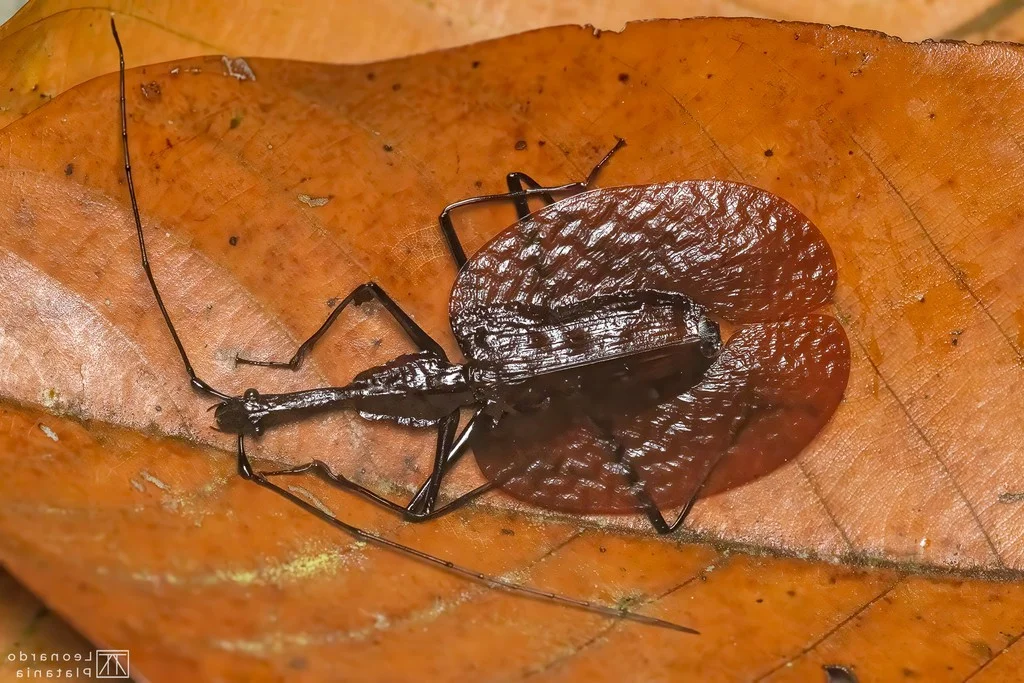
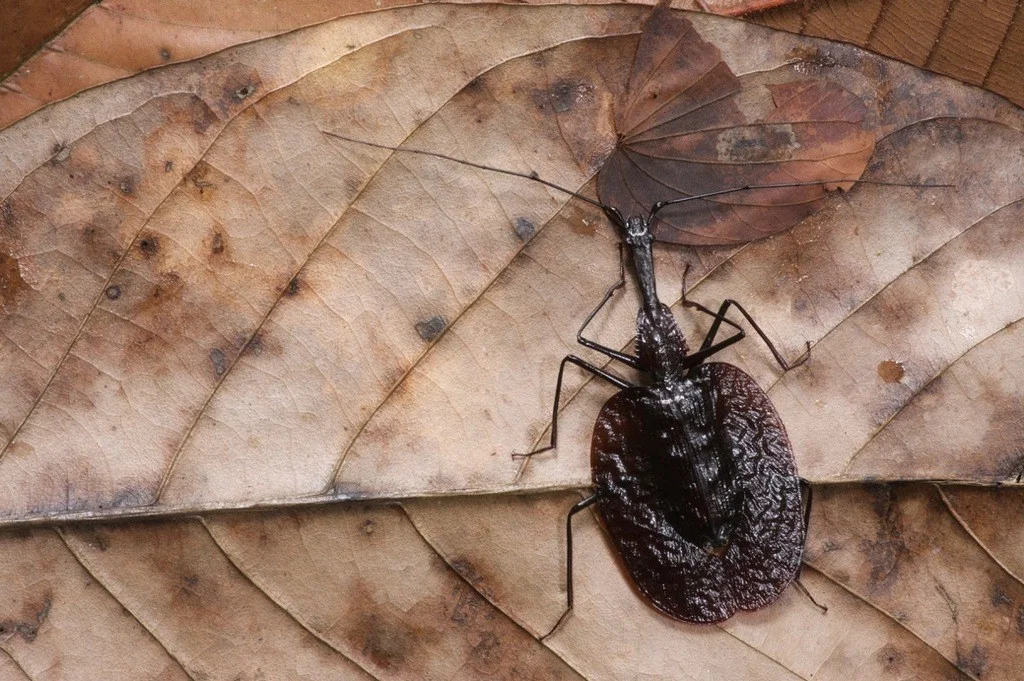
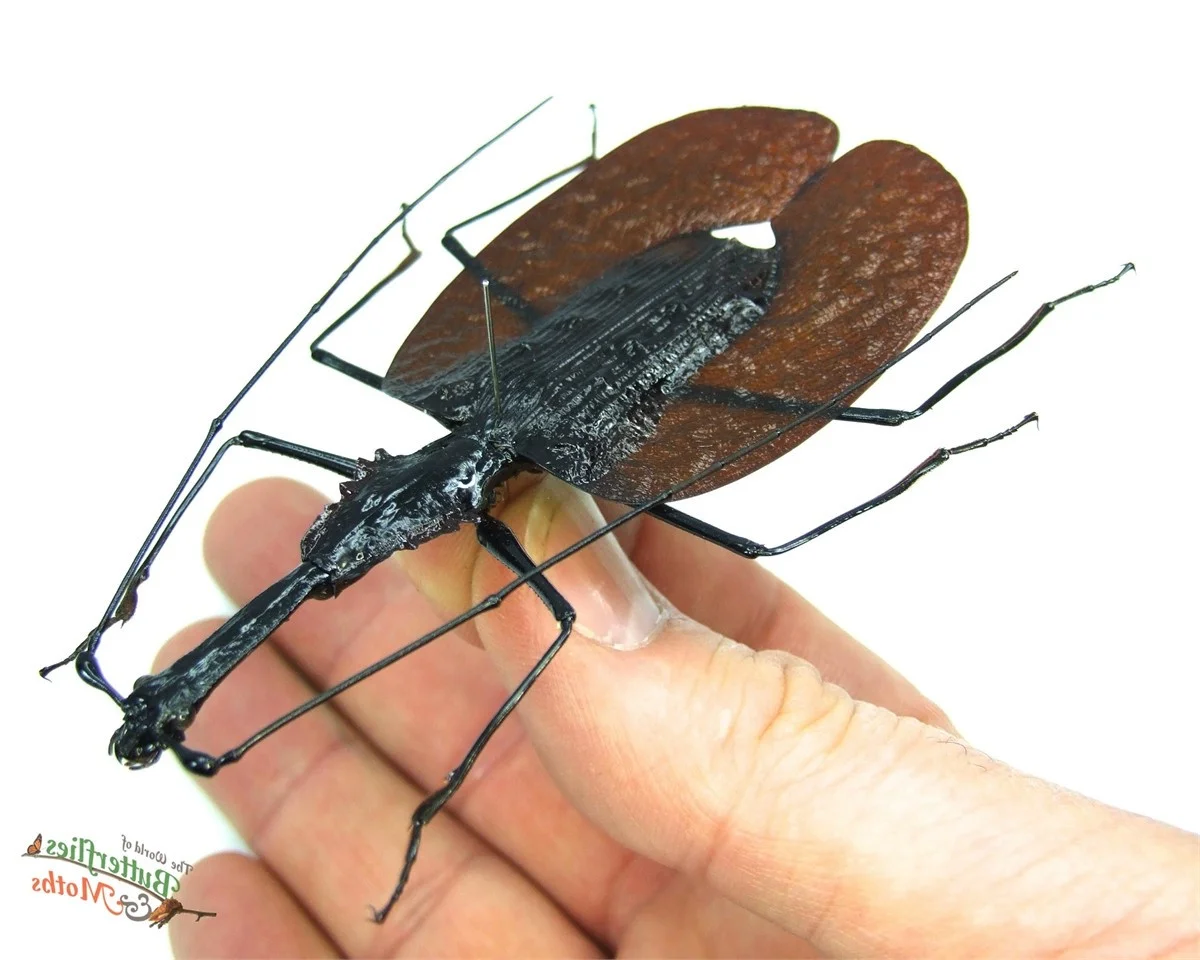
Nature never ceases to amaze us with its bizarre and beautiful designs, and the Violin Beetle, scientifically known as Mormolyce phyllodes, is a perfect example of evolution at its finest. Found deep within the tropical rainforests of Southeast Asia, including regions like Malaysia and Indonesia, this beetle is famous for its incredibly flat, translucent body that mimics the shape of a miniature violin or a dried leaf. This unique morphology isn't just for show; it serves as the ultimate camouflage, allowing the insect to blend seamlessly into tree bark and fungi while hiding from predators.Growing up to 10 centimeters in length, the Violin Beetle is a fascinating subject for entomologists and macro photographers alike. Despite its wide wing covers, its ability to fly is quite limited, making it a ground-dwelling specialist. These nocturnal predators spend their nights hunting for small larvae and insects, using their elongated heads to reach into tight crevices. Their presence is a sign of a healthy, biodiverse forest ecosystem.
For travelers and nature enthusiasts exploring the wilds of Asia, spotting a Mormolyce phyllodes in its natural habitat is a rare and rewarding experience. However, due to its striking appearance, the species faces threats from over-collection and habitat loss. Understanding and protecting these incredible creatures is vital for preserving the natural heritage of our planet. Whether you are a fan of rare wildlife or simply love the wonders of the natural world, the Violin Beetle stands as a testament to the diverse and strange beauty found in our jungles.
#ViolinBeetle , #MormolycePhyllodes , #RareInsects , #NaturePhotography , #SoutheastAsiaWildlife , #Entomology , #RainforestCreatures , #MacroWorld


Comment
Stories
-
Creat Your Story
time to story
-

Anna Mull
1 hour ago
-

Ira Membrit
4 hour ago
-

Bob Frapples
9 hour ago
Events
-

Web Workshop
1 hour ago
-

Fun Events and Festivals
1 hour ago
Upcoming Birthday
-

Anna Sthesia
Today
-

Paul Molive
Tomorrow