
 Select Photos
Lorenzo
2026-02-15 15:53:44.482031
Dramatic Volcanic Eruption: How the 1831 Zavaritskii Event Changed Global Temperatures and Influenced Earth's Climate History
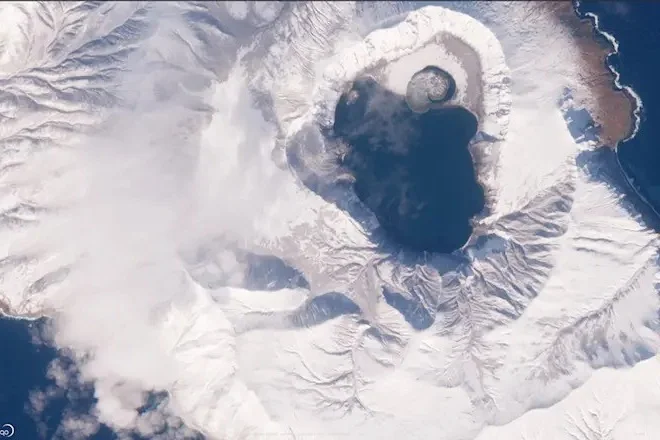
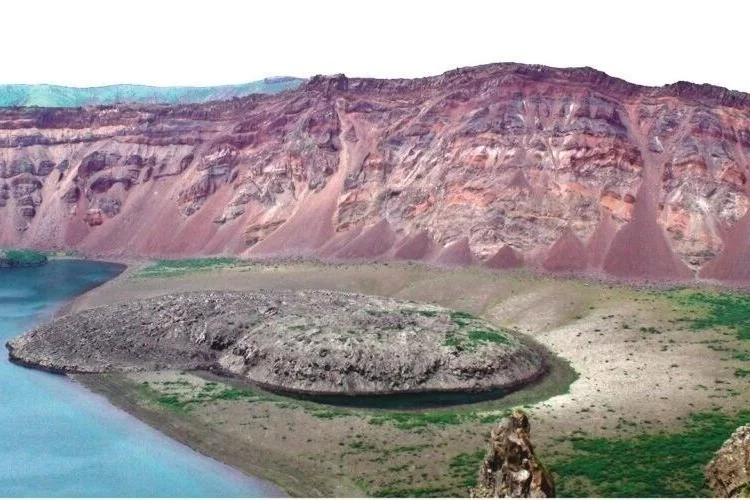
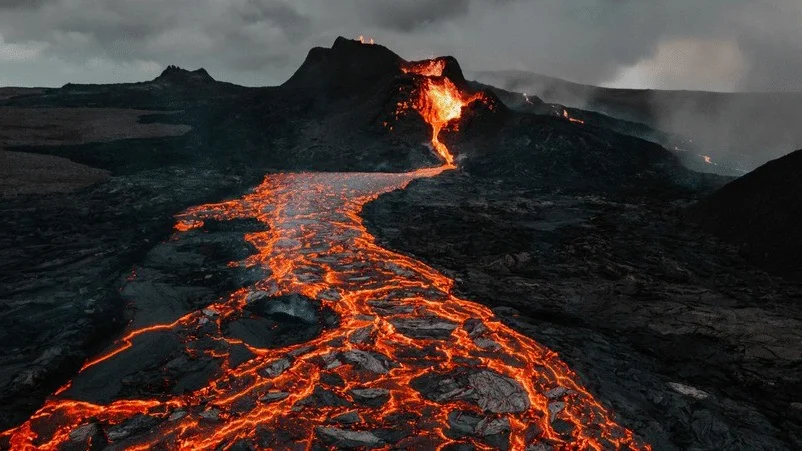
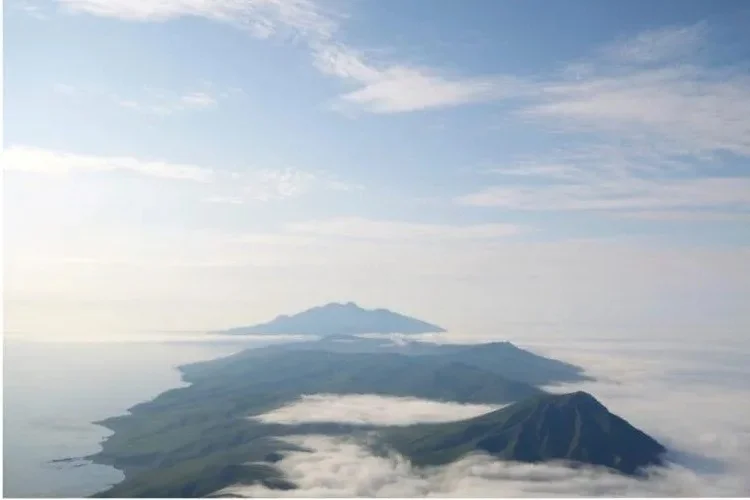
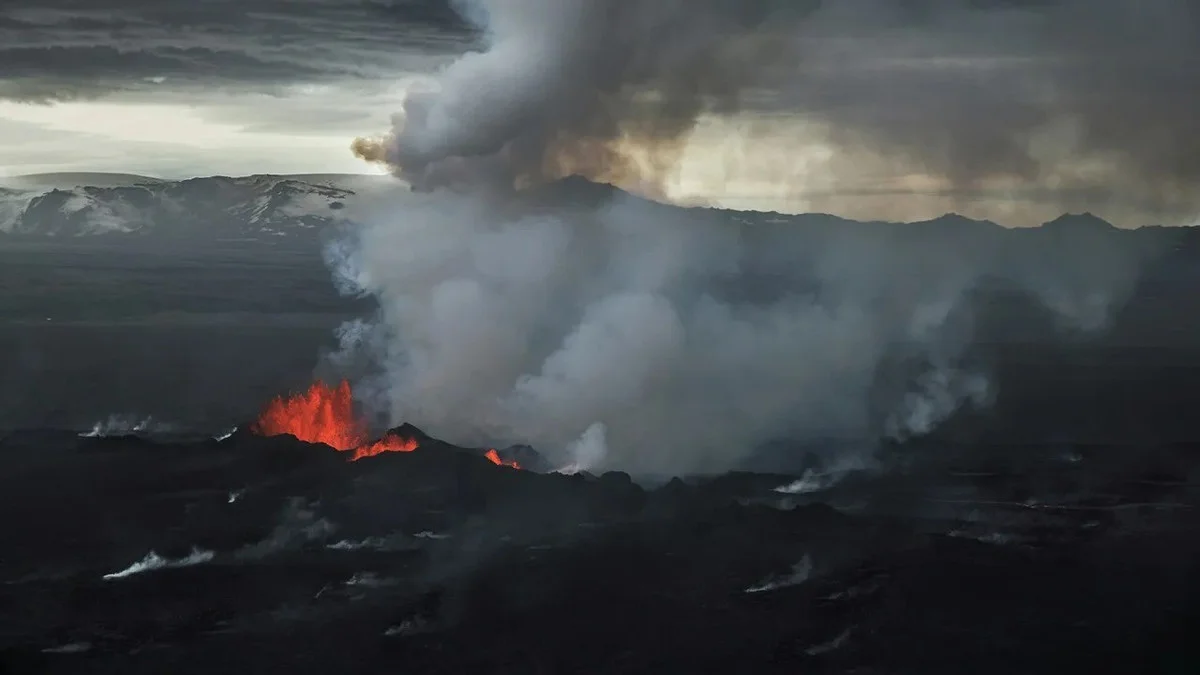
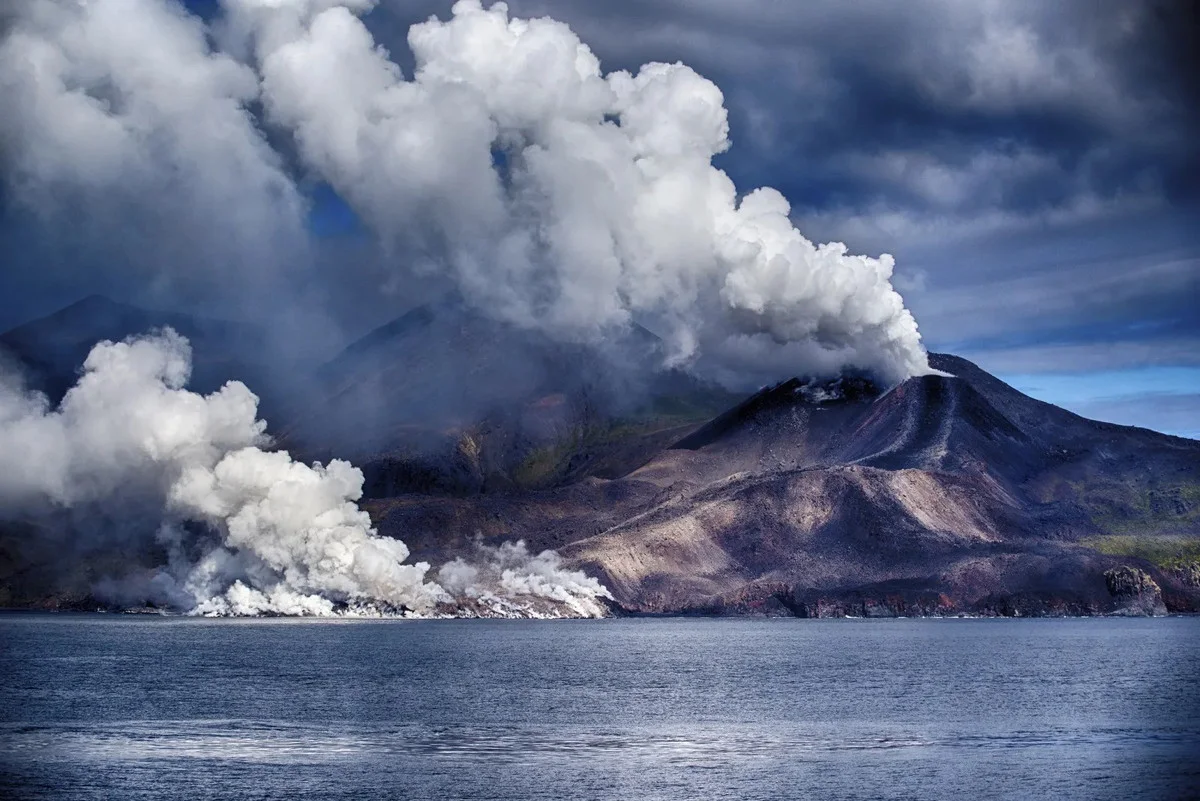
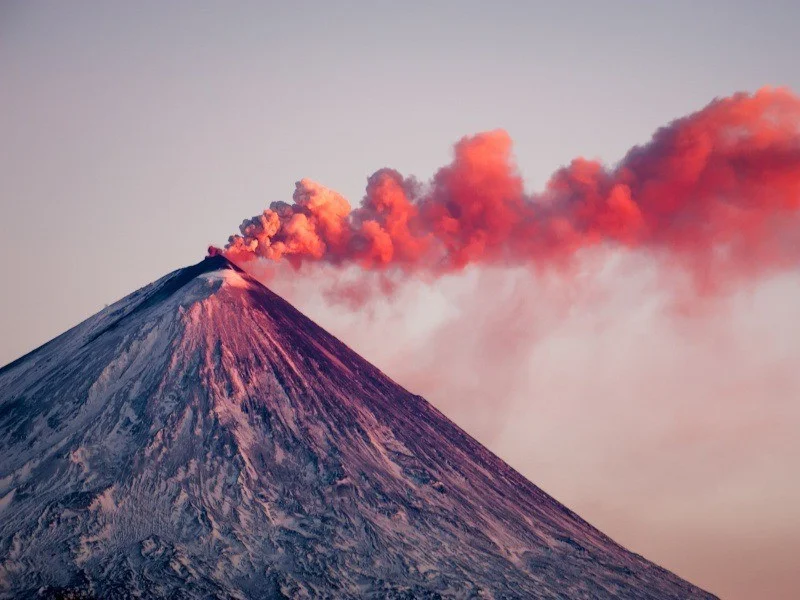
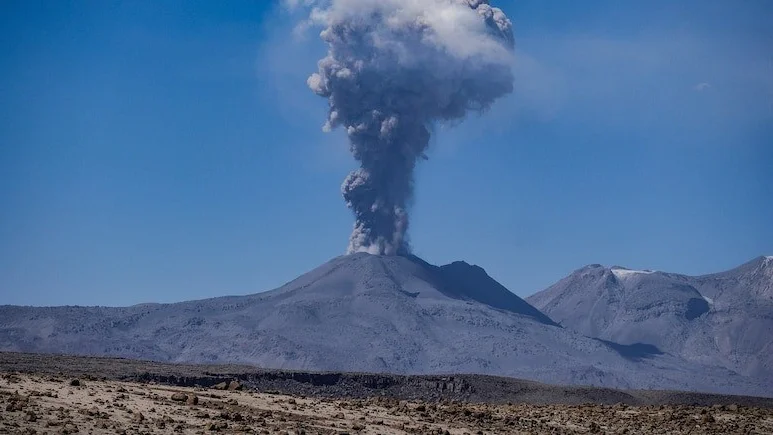
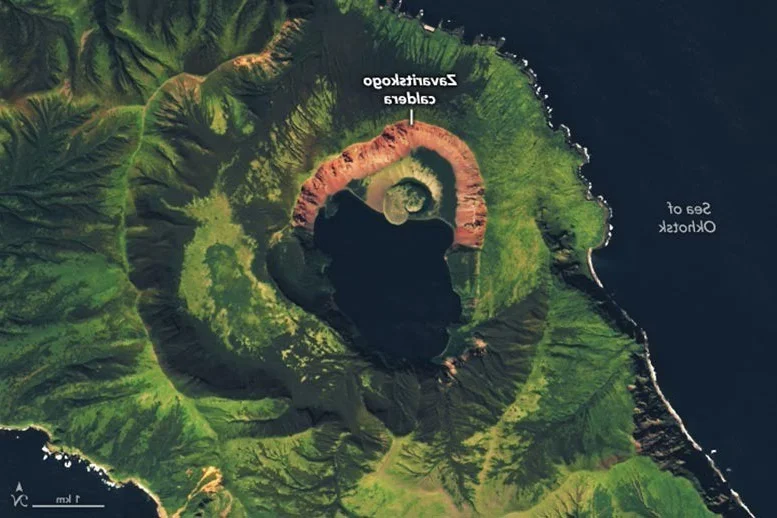
Experience the raw, untamed power of nature through the lens of geological history. While we often associate volcanic eruptions with intense heat and destruction, certain massive events have actually had a surprising cooling effect on our planet. One of the most significant occurrences in recorded history was the 1831 volcanic event, which included the powerful eruption of the Zavaritskii volcano. Scientific research into this period reveals that these massive eruptions released vast amounts of ash and sulfur dioxide high into the stratosphere, creating a natural 'sunscreen' effect that reflected sunlight back into space.This fascinating natural phenomenon led to a noticeable cooling of the Earth’s climate during the 19th century, proving that volcanic activity is a major driver of environmental change. For travelers, photographers, and nature enthusiasts, understanding the geological history of sites like the Zavaritskii volcano offers a deeper appreciation for the delicate balance of our global ecosystem. The visual impact of such an eruption—towering ash plumes, glowing molten lava, and atmospheric shifts—reminds us of the Earth's volatile beauty. This exploration into the intersection of geology and climatology highlights how a single event in 1831 could influence global temperatures for years to come. Whether you are a science buff, a history lover, or a landscape photography enthusiast, the story of the Zavaritskii eruption is a testament to the planet's incredible power to reshape itself. Dive into the history of volcanic activity and discover how these geological giants continue to shape our world today.
#VolcanicEruption , #ZavaritskiiVolcano , #ClimateHistory , #EarthScience , #NaturalWonders , #GeologyLovers , #HistoricalEvents , #NaturePhotography
Comment
Stories
-
Creat Your Story
time to story
-

Anna Mull
1 hour ago
-

Ira Membrit
4 hour ago
-

Bob Frapples
9 hour ago
Events
-

Web Workshop
1 hour ago
-

Fun Events and Festivals
1 hour ago
Upcoming Birthday
-
Anna Sthesia
Today
-

Paul Molive
Tomorrow